
Home in Sign Language (ASL)
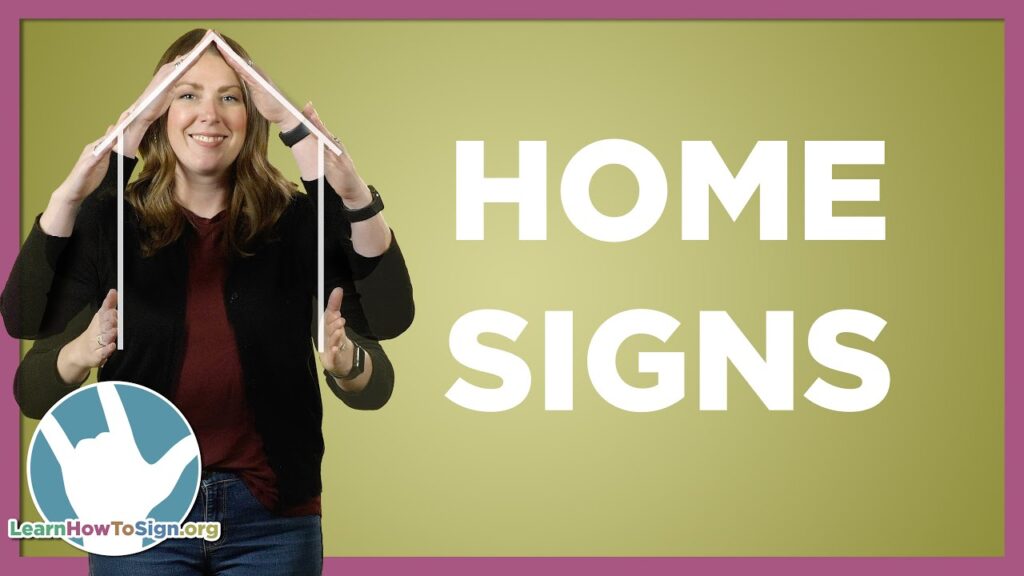
The sign “Home” represents the concept of a place where one lives or feels a sense of belonging. It encompasses not just the physical structure of a house but also the emotional and cultural significance associated with one’s residence. This sign is commonly used in conversations about family, comfort, and personal space.
[VIDEO_PLACEHOLDER]
Table of Contents
Forming the sign
- Handshape: Use your dominant hand in the shape of a flat “O” hand, with your fingers extended and together, and the thumb touching the other fingers.
- Location: Position your hand near the side of your face, typically at the chin level.
- Movement: Move your hand from the chin outward away from the face, as if you are creating a space in front of you that represents your home.
- Non-manual signals: Maintain a relaxed facial expression, which conveys warmth and comfort, mirroring the feelings associated with home.
When producing the sign “Home,” ensure that the movement is smooth and deliberate, as this reflects the comfort associated with the concept of home. The sign often evokes a sense of safety and belonging, so pairing it with an appropriate facial expression can enhance the message being conveyed.
Using “Home” in sentences
You can incorporate “Home” into various sentences, such as:
- “I love being at home.”
- “My friends are coming over to my home this weekend.”
- “Home is where I feel most comfortable.”
In these examples, “Home” is used to express where a person resides or their feelings about that place. The context surrounding the sign helps to clarify the intended meaning.
Signs related to “Home”
To deepen your understanding of the concept of home, here are a few related signs that might be useful:
- Family – A sign representing one’s family members.
- House – Refers specifically to the physical structure of a house.
- Care – Represents the feeling of nurturing and support often associated with home.
- Comfort – A sign that conveys a sense of ease, often found at home.
Regional variations
While “Home” is widely recognized in ASL, some regional variations exist. In certain areas, the sign may differ slightly in handshape or movement based on local dialects. This highlights the rich diversity within the Deaf community. If you travel to different regions, it’s a good idea to observe how signers in those areas express the concept of home, as it can enhance your understanding and fluency in ASL.
FAQ
What if I want to express “home” in a different context?
You can modify the way you sign “Home” by adding descriptors or additional signs to clarify the specific context. For example, if you are talking about a “new home,” you could sign “Home” followed by the sign for “new.”
Is there a difference in the sign for “Home” when discussing an apartment versus a house?
The sign for “Home” remains the same regardless of whether you are talking about an apartment or a house. The context in your conversation will provide clarity.
How can I practice the sign “Home” effectively?
Practicing in front of a mirror can be very helpful. Observe your handshape, movement, and facial expressions to ensure they align with the meaning you want to convey.
Can I use facial expressions when signing “Home”?
Yes! Facial expressions play a vital role in ASL. Using a warm and inviting expression reinforces the positive feelings associated with “Home.”
Practice ASL Signs
Use your camera to practice signs and get real-time AI feedback on your technique.
Free · No signup required