
Undergraduate in Sign Language (ASL)
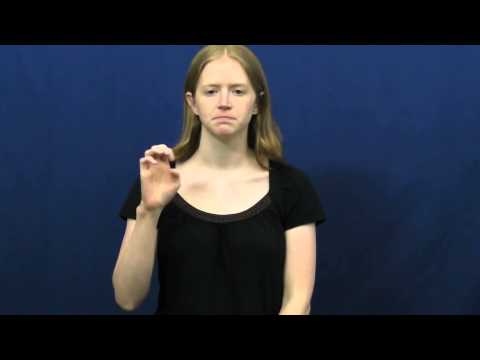
The sign “Undergraduate” refers to a student who is pursuing a bachelor’s degree, typically at a college or university. This term is often used in academic settings and discussions about education. Understanding how to sign “Undergraduate” can be particularly useful for students, educators, and anyone involved in the academic community.
[VIDEO_PLACEHOLDER]
Table of Contents
How to Form the Sign “Undergraduate”
- Handshape: Begin with your dominant hand in a “U” shape.
- Location: Position the hand near the forehead, with the palm facing outward.
- Movement: Move the “U” handshape slightly downward away from your forehead while bending the elbow. The movement should be gentle and smooth.
- Non-manual signals: While performing the sign, maintain a neutral facial expression. This helps convey the informational aspect of the sign.
The sign for “Undergraduate” visually represents the concept of being a student at the undergraduate level. The use of the “U” handshape connects directly to the word itself, making it easier for viewers to remember. Practicing this sign in context, such as during discussions about education or college life, can enhance retention and understanding.
Examples of “Undergraduate” in Sentences
When using “Undergraduate” in sentences, consider the context of your conversation:
– “I am an undergraduate studying biology.”
– “She will graduate as an undergraduate next year.”
– “Many undergraduates participate in internships for experience.”
These examples illustrate how the sign can be used flexibly in various educational discussions, highlighting its importance in everyday conversations about schooling.
Signs Related to “Undergraduate”
There are several related signs that can enhance your academic vocabulary:
– Student: Refers to anyone who is actively learning, from elementary to postgraduate levels.
– Graduate: Used to describe someone who has completed their degree.
– College: Represents the institution where undergraduates typically study.
– Degree: Refers to the qualification earned after completing undergraduate studies.
– Major: Describes the specific area of study chosen by an undergraduate student.
Understanding these related signs can provide a broader context for discussions surrounding education and academic environments.
Where This Sign Comes From
The sign “Undergraduate” stems from the educational terminology used in the Deaf community. It has evolved as Deaf individuals entered higher education institutions and sought to create signs that reflected their academic experiences. This sign is now widely accepted and used in educational discourse among Deaf individuals across the United States.
Common Confusion with a Similar Sign
A common point of confusion is differentiating “Undergraduate” from “Graduate.” While both terms pertain to students, an “Undergraduate” refers specifically to those pursuing their first degree, whereas a “Graduate” is someone who has completed their degree. It’s crucial to be aware of this distinction when signing, as using the wrong term can lead to misunderstandings in academic discussions.
Frequently Asked Questions
What qualifies someone as an undergraduate?
An undergraduate is typically a student enrolled in a college or university program leading to a bachelor’s degree, which usually requires completing a set curriculum over four years.
Can “Undergraduate” be used in a formal context?
Yes, the sign “Undergraduate” can be used in both formal academic discussions and informal conversations about education.
How do I remember the sign for “Undergraduate”?
Connecting the handshape “U” to the concept of being a student can help in recalling the sign. Practice using it in sentences relating to your academic experiences.
Is there a different sign for someone pursuing a master’s degree?
Yes, there are specific signs for “Graduate” and “Graduate Student,” which refer to students in master’s or doctoral programs. It’s important to use the correct sign for clarity.
What should I focus on when practicing the sign?
Focus on maintaining a clear handshape and smooth movement while ensuring your facial expressions match the context of your conversation.
Practice ASL Signs
Use your camera to practice signs and get real-time AI feedback on your technique.
Free · No signup required