
Translate in Sign Language (ASL)
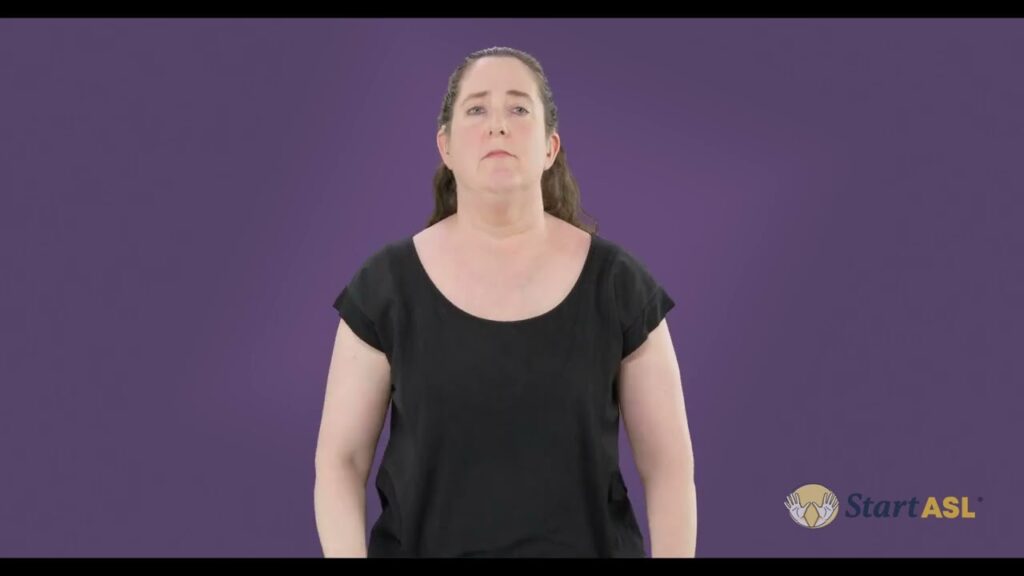
Translate is a versatile sign used to convey the action of converting text or spoken words from one language to another. This sign is frequently utilized in educational settings, during language interpretation, or when discussing bilingual communication. Understanding how to use Translate effectively can enhance interactions within the Deaf community and beyond.
[VIDEO_PLACEHOLDER]
Table of Contents
How to Form the Sign “Translate”
- Handshape: Use the dominant hand in a “flat hand” shape (sometimes referred to as “B” handshape).
- Location: Position your dominant hand in front of your body, typically at the level of your chest or slightly above.
- Movement: Move your dominant hand in a sweeping motion from one side to the other, indicating the transfer of information. This movement can be somewhat fluid and should feel natural.
- Non-manual signals: Incorporate facial expressions that reflect concentration or effort, as this enhances the meaning of the sign and shows engagement with the translation process.
When forming the sign Translate, it’s important to ensure that your movements are clear and deliberate, as this helps convey the action of translating effectively. Practicing in front of a mirror can help you refine your handshape and movement.
Using “Translate” in Everyday Signing
In conversations, you might use Translate in various contexts. For example, you could say, “I need to Translate this document” or “Can you Translate what she just said?” This sign can be paired with other verbs or nouns to clarify the context, such as specifying the languages involved or the medium (e.g., written or spoken).
Signs Related to “Translate”
Here are some related signs that you might find useful:
- Interpret – Often used interchangeably, but typically refers more to spoken language.
- Translation – The noun form that refers to the product of the translating action.
- Language – A foundational concept as translation is inherently connected to different languages.
- Speak – Understanding this sign can help clarify discussions about verbal communication.
Common Mistakes to Avoid
When signing Translate, one common mistake is to rush through the motion. This can diminish the clarity of your sign. Instead, focus on making deliberate and fluid movements. Additionally, some learners may confuse Translate with signs for similar concepts, such as Interpret, so it’s essential to be mindful of the context in which you are using the sign.
Frequent Questions about “Translate”
What is the difference between “Translate” and “Interpret”?
Translate refers to converting written or printed text from one language to another, while Interpret typically refers to the immediate oral translation of spoken words.
Can “Translate” be used in different contexts?
Yes, it can refer to both written translations, like books or documents, and spoken language translations during conversations or speeches.
Is there a specific facial expression I should use?
Facial expressions that indicate focus or concentration help enhance the meaning of the sign and show you are engaged in the translation process.
How can I practice the sign effectively?
Practice in front of a mirror to ensure clarity in your handshape and movement, and try to incorporate it into conversations whenever possible.
Practice ASL Signs
Use your camera to practice signs and get real-time AI feedback on your technique.
Free · No signup required