
Thrilled in Sign Language (ASL)
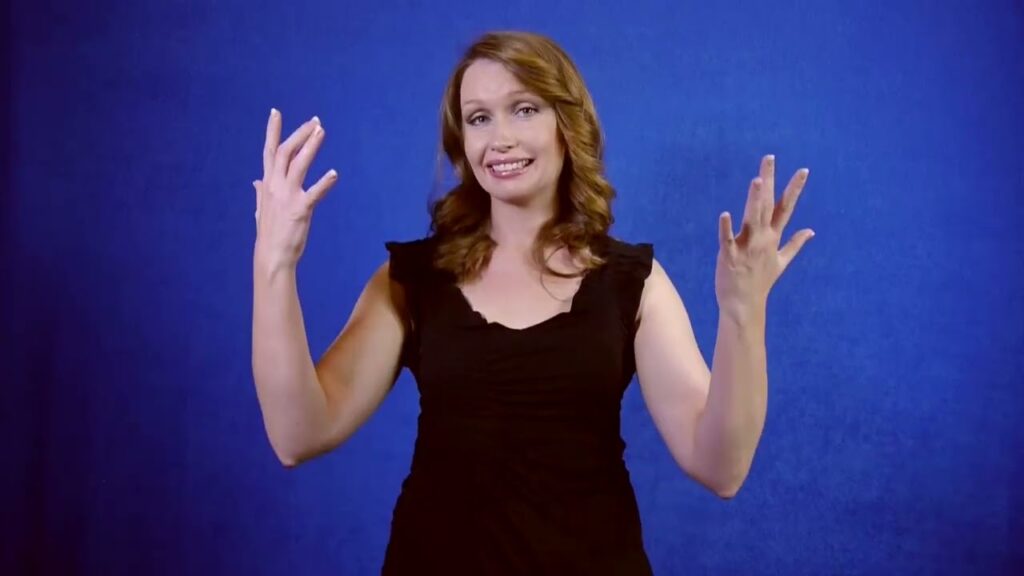
The sign “Thrilled” expresses a deep sense of excitement and joy. It’s commonly used in various contexts to convey happiness about good news, events, or experiences that bring immense pleasure. Whether sharing personal achievements or enjoying a delightful moment, this sign effectively communicates your positive emotions.
[VIDEO_PLACEHOLDER]
Table of Contents
How to Form the Sign “Thrilled”
- Handshape: Start with both hands in a “5” handshape, fingers extended and spread apart.
- Location: Position your hands near your chest or face, typically at the level of your heart.
- Movement: Move your hands outward and slightly upward as if expanding your excitement. The movement should be expressive and energetic to reflect the emotion of thrill.
- Non-manual signals: Accompany the sign with facial expressions that convey excitement – wide eyes, raised eyebrows, and a big smile enhance the meaning.
This sign is characterized by its dynamic movement and facial expressions, both of which are crucial in conveying the intensity of the emotion. The more enthusiastic you feel, the more exaggerated your movement and expressions can be, making the sign resonate more with those you are communicating with.
Using “Thrilled” in Everyday Signing
You can incorporate “Thrilled” into various sentences. For example, you might say, “I am thrilled about my promotion!” or “She was thrilled to see her friends.” In both cases, the sign captures your excitement about positive developments in life. It can also be used in response to good news, enhancing the emotional connection between the signers.
Signs Related to “Thrilled”
To expand your signing vocabulary, here are some related signs that convey similar emotions:
- Happy – A general expression of joy or contentment.
- Excited – Often used interchangeably with “thrilled,” but can express a more dynamic energy.
- Joy – A deeper feeling of happiness that can accompany being thrilled.
- Delighted – Indicates pleasure and satisfaction, similar to being thrilled.
- Ecstatic – An even stronger emotion than thrilled, used for overwhelming joy.
Common Confusion with a Similar Sign
Many learners may confuse “Thrilled” with the sign for “Excited.” While both convey positive emotions, “Thrilled” tends to emphasize a deeper level of joy and satisfaction, whereas “Excited” may imply a more energetic or anticipatory feeling. Pay attention to context and facial expressions to ensure you’re conveying the intended emotion accurately.
Frequently Asked Questions
What occasions is “Thrilled” typically used?
“Thrilled” can be used in various contexts, such as celebrating good news, achievements, or joyful experiences. It’s suitable for personal conversations when expressing excitement.
Can “Thrilled” be modified for intensity?
Yes! You can enhance the sign by exaggerating the movement and facial expressions to show greater excitement. This adds depth to the emotion you are expressing.
Is there a difference between “Thrilled” and “Excited” in ASL?
Yes, while both signs express positive emotions, “Thrilled” suggests a deeper, more satisfying joy, whereas “Excited” conveys anticipation and energetic enthusiasm.
How important are facial expressions when signing “Thrilled”?
Facial expressions are crucial for conveying the full meaning of “Thrilled.” They enhance the sign and reflect the intensity of the emotions being expressed.
Practice ASL Signs
Use your camera to practice signs and get real-time AI feedback on your technique.
Free · No signup required