
Tactile in Sign Language (ASL)
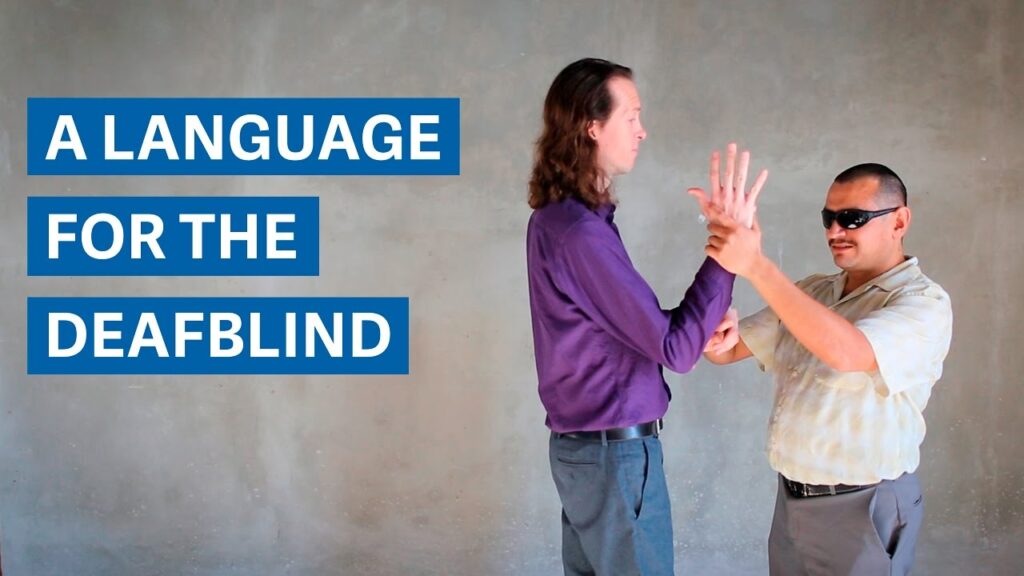
Tactile refers to the sense of touch or the ability to perceive information through physical sensations. In the context of American Sign Language, this sign is often used to describe experiences, environments, or materials that are perceived primarily through touch. It plays an important role in discussions about accessibility, teaching methods, and sensory experiences, especially in relation to individuals who are DeafBlind.
[VIDEO_PLACEHOLDER]
Table of Contents
How to Form the Sign
- Handshape: The dominant hand forms a flat ‘B’ shape with fingers extended and together, while the non-dominant hand remains relaxed.
- Location: Start by positioning the dominant hand near your chest or face, indicating a personal connection to the concept.
- Movement: Move the dominant hand towards the non-dominant hand, which stays still, suggesting a transfer of tactile information.
- Non-manual signals: Maintain an attentive facial expression while signing to emphasize the importance of the tactile experience.
This sign represents the tactile sense, emphasizing the connection between touch and understanding. It’s often used in educational contexts, particularly when discussing methods for teaching DeafBlind individuals or describing textured materials.
Using “Tactile” in Sentences
In conversation, “Tactile” can be used to describe different contexts. For example, you might say: “The book has tactile elements, making it easier for students to learn.” Another example could be: “She prefers tactile learning methods for better understanding.” These sentences illustrate the application of the term in various scenarios, showcasing its relevance in discussions surrounding sensory perception.
Signs Related to “Tactile”
- Touch: This sign encompasses the action of making contact with an object.
- Feel: Used to describe the sensation experienced when touching something.
- Texture: Refers to the surface quality of an object perceived through touch.
- Learn: While not directly related, this sign can connect to tactile learning experiences.
Common Confusion with a Similar Sign
Many learners may confuse “Tactile” with “Touch” due to their similar meanings. However, while “Touch” is more about the physical action, “Tactile” emphasizes the broader sensory experience associated with touch. To clarify the difference, remember that “Tactile” often implies a deeper understanding or connection to the experience of touch, particularly in educational or descriptive contexts.
Frequently Asked Questions
What situations would I use the sign “Tactile”?
You would use “Tactile” in discussions about learning methods, sensory experiences, or when describing how someone interacts with the world through touch.
Can “Tactile” be used in a metaphorical sense?
Yes, “Tactile” can be used metaphorically to describe experiences that evoke a strong sense of connection or understanding, even if they are not directly related to touch.
Is this sign different in various regions?
While the core sign for “Tactile” typically remains consistent, minor regional variations in movement and emphasis may exist, so it’s helpful to observe local signers.
How can I practice using this sign effectively?
Practice “Tactile” by incorporating it into common phrases or sentences. Additionally, engage with Deaf communities or resources to see how it’s used in various contexts.
Practice ASL Signs
Use your camera to practice signs and get real-time AI feedback on your technique.
Free · No signup required