
Touch in Sign Language (ASL)
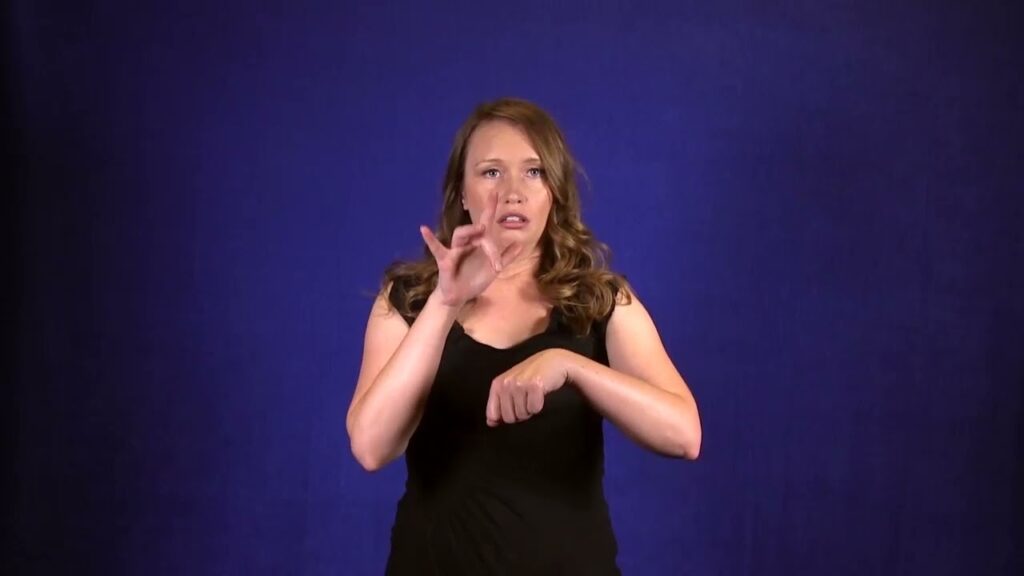
The sign “Touch” is used to convey the action of coming into contact with something or someone, often to express a physical connection or to indicate sensory interactions. This verb is versatile and can apply in various contexts, such as touching a surface, a person, or even metaphorical concepts like feelings. Understanding the nuances of this sign can enhance communication within the Deaf community.
[VIDEO_PLACEHOLDER]
Table of Contents
How to Form the Sign “Touch”
- Handshape: Use the dominant hand in a flat shape, resembling the ASL “A” handshape, with fingers extended and together.
- Location: Position the dominant hand close to the object or the area you intend to touch, typically at shoulder height or in front of you.
- Movement: Gently move the hand forward to make contact with the designated object or area, simulating the action of touching. The movement should be smooth and deliberate.
- Non-manual signals: Maintain a neutral facial expression to indicate that the action is straightforward. If you want to emphasize the touch or indicate a different emotion, you can adjust your facial expression accordingly.
When signing “Touch,” ensure that your body language matches the intent of your message. For example, if you are expressing a soft or gentle touch, your movement should be slow and gentle. Conversely, a more forceful touch may require a quicker motion.
Using “Touch” in Everyday Signing
In daily conversations, “Touch” can be integrated into various sentences. Here are some examples:
- When expressing the action: “I want to touch that.” (Indicating desire to make contact with an object)
- Talking about sensory experiences: “I can touch the texture of the fabric.” (Discussing how something feels)
- Referring to emotional connections: “I want to touch your heart.” (Metaphorical usage)
Using “Touch” effectively can enhance the richness of your conversation, allowing for deeper connections and shared experiences.
Signs Related to “Touch”
Here are some related signs that you might find useful:
- Feel: Expressing sensations or emotions related to touch.
- Hug: A sign indicating a more encompassing type of touch.
- Pat: A lighter form of touch, often used to convey affirmation or comfort.
- Touching: A sign that emphasizes the sustained action of touching.
Common Confusion with Similar Signs
Sometimes, “Touch” can be confused with signs that indicate contact or interaction but have different meanings. For example, the sign for “Hit” involves a more forceful and abrupt motion compared to the gentler action of “Touch.” Practicing the subtle differences in movement and intention can help clarify your communication.
Frequently Asked Questions
What is the difference between “Touch” and “Feel”?
“Touch” refers specifically to the action of making contact with something, while “Feel” encompasses the sensory experience that follows that contact. “Feel” often relates to emotions or internal sensations.
Can “Touch” be used metaphorically?
Yes, “Touch” can be used in metaphorical contexts, such as expressing emotional connections or impacts, like saying, “That touched my heart.”
Are there regional variations for the sign “Touch”?
While “Touch” is generally consistent, some regional variations may exist in terms of movement or handshape. It’s helpful to learn from local Deaf community members to understand any specific nuances.
Is there a specific way to emphasize the sign “Touch”?
You can emphasize the sign “Touch” by increasing the intensity of your movement or by adjusting your facial expressions to convey the emotional weight of the action.
Practice ASL Signs
Use your camera to practice signs and get real-time AI feedback on your technique.
Free · No signup required