
Power in Sign Language (ASL)
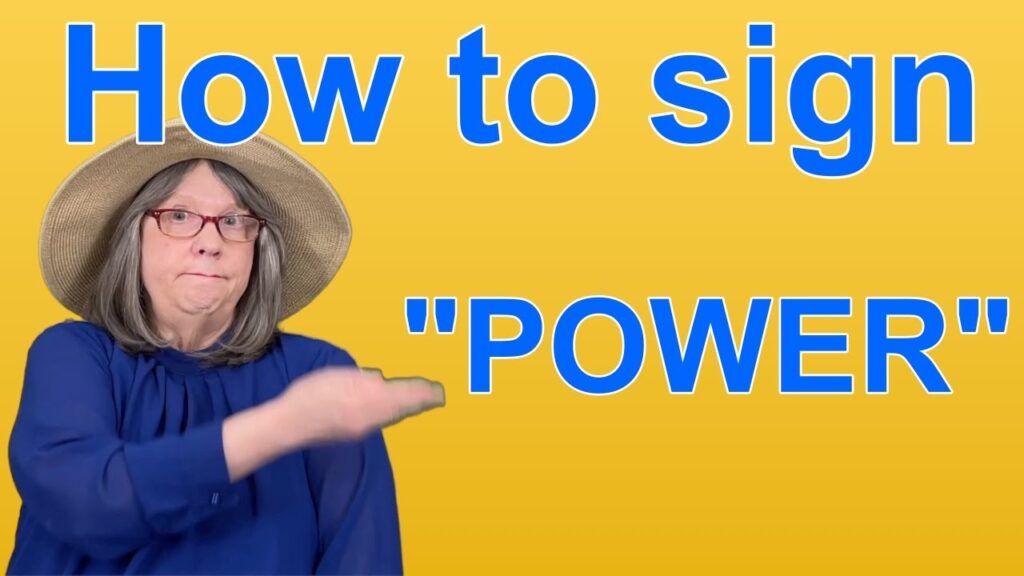
The sign for Power conveys strength, influence, or the ability to control. It can be used in various contexts, from discussing physical power to expressing empowerment or authority in social and political situations.
[VIDEO_PLACEHOLDER]
Table of Contents
Creating the Sign for Power
- Handshape: Start with a fist, where your fingers are curled in and your thumb wraps around the outside.
- Location: Position your dominant hand in front of your body, slightly to the side of your torso.
- Movement: Move your fist forward and slightly upward, as if pushing away or asserting force.
- Non-manual signals: You may furrow your brow and lean slightly forward to emphasize the meaning of power. This facial expression adds intensity and clarity to the sign.
This sign is robust and assertive, mirroring the concept it represents. The forward motion signifies a dynamic push, which is often associated with power and influence. Using appropriate facial expressions can enhance the impact of your signing, making it more expressive and engaging.
Using Power in Everyday Sentences
Power can be integrated into various sentences to describe situations or attributes. Here are some examples:
- “She holds a lot of power in the organization.”
- “The power of teamwork can lead to great success.”
- “He demonstrated his power during the debate.”
These sentences illustrate the versatility of the sign in different contexts, emphasizing its applicability in both personal and professional settings.
Signs Related to Power
There are several related signs that can expand the conversation around the concept of power. Here are a few:
- Strong – Refers to physical strength or steadfastness.
- Influence – Indicates the ability to have an effect on someone or something.
- Authority – Signifies the right or power to give orders or make decisions.
- Control – Represents the ability to direct or manage something.
Where the Sign for Power Comes From
The sign for Power has roots in both everyday gestures and cultural expressions of strength within the Deaf community. Its development parallels the journey of empowerment that Deaf individuals have experienced over the years, particularly in advocating for rights and recognition. The gesture captures not only the physical aspect of power but also the cultural significance of asserting one’s identity and presence in society.
Common Confusion with Similar Signs
It’s easy to confuse the sign for Power with other signs that convey related meanings, such as Strength or Energy. Strength emphasizes physical prowess and resilience, while Energy refers to a more dynamic or spirited quality. When signing, pay attention to the context and your facial expressions to clarify your intended message, ensuring that your communication is clear and effective.
Frequently Asked Questions
What hand should I use to sign Power?
Use your dominant hand to form the fist, as this represents your strength and assertiveness.
Can Power be used in a metaphorical sense?
Yes, Power can refer to various forms of influence or authority, not just physical strength. It is commonly used in discussions about social justice and empowerment.
Is there a specific context where Power is often used?
Power is frequently used in political discussions, leadership contexts, and conversations about personal empowerment.
How can I emphasize the sign for Power?
To emphasize the sign, use a strong movement and assertive facial expressions. Leaning slightly forward can also help convey intensity.
Are there regional variations for the sign Power?
While the sign for Power is generally consistent, some regional dialects may have slight variations. It’s essential to observe local signing practices to grasp these nuances.
Practice ASL Signs
Use your camera to practice signs and get real-time AI feedback on your technique.
Free · No signup required