
Next in Sign Language (ASL)
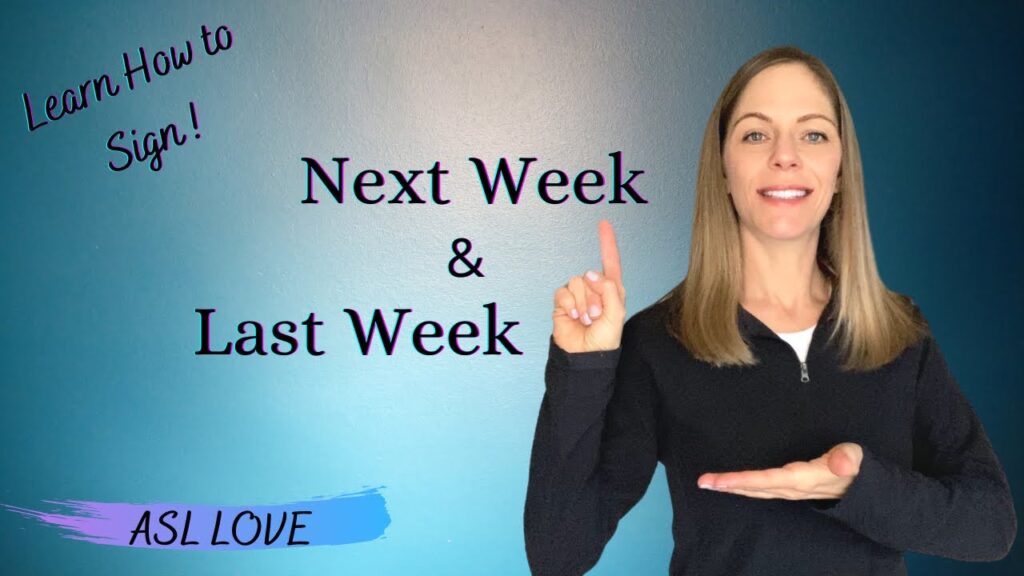
The sign “Next” is commonly used in American Sign Language to indicate the concept of something that follows in order or sequence. It can refer to the next person in line, the upcoming event, or any item that comes after another. This sign is frequently utilized in both casual conversations and more structured settings, such as discussions about schedules or plans.
[VIDEO_PLACEHOLDER]
Table of Contents
Forming the sign
- Handshape: Start with your dominant hand in a flat “B” handshape (with fingers extended and together).
- Location: Position your dominant hand in front of your body, slightly to the side.
- Movement: Move your hand forward and slightly up, as if indicating something moving ahead in line.
- Non-manual signals: Use a slight nod or a facial expression that indicates forward motion or anticipation.
The movement and handshape blend to create a visual representation of something following another. This sign is effective in conveying the sense of progression or succession, making it clear to your conversation partner what you are referring to.
Using “Next” in sentences
“Next” is versatile and can be integrated into various sentences. For instance, you might sign, “Next, we will go to the movie,” or “Who’s next in line?” It helps clarify the sequence of actions or events, making communication more efficient in both informal and formal settings.
Signs related to “Next”
Explore these related signs to enhance your vocabulary:
- Previous: Refers to something that came before.
- After: Indicates something that occurs later in time.
- Follow: Suggests the action of going after someone or something.
- Later: Used to denote a time that comes after the present moment.
- Upcoming: Refers to events or items that will happen soon.
Common confusion with a similar sign
Many learners confuse “Next” with the sign for “Later,” as both involve elements of time. However, “Next” specifically denotes the immediate action or item that follows, while “Later” refers to something that occurs after a certain delay. Paying attention to the context and the movement can help clarify which sign is appropriate to use.
FAQ
How can I practice the sign “Next” effectively?
Repetition is key. Try incorporating the sign into daily conversations, such as discussing your plans for the day or events coming up. Pairing it with other signs will reinforce its meaning.
Is “Next” used in formal settings as well?
Yes, “Next” is appropriate for formal situations, such as meetings or presentations. It helps to clarify sequences and organize discussions.
Can “Next” have different meanings in different contexts?
Yes, the context can influence its meaning. For example, “Next” can refer to the next person in line or the next event on a schedule, so context is crucial for understanding.
Are there regional variations of the sign “Next”?
While “Next” is widely understood, some regions may have slight variations in movement or handshape. It’s beneficial to observe local users or consult with Deaf community members.
What should I avoid when signing “Next”?
A common mistake is combining it with incorrect facial expressions that may confuse the intended meaning. Keep your expression aligned with the concept of something following in sequence.
Practice ASL Signs
Use your camera to practice signs and get real-time AI feedback on your technique.
Free · No signup required