
My in Sign Language (ASL)
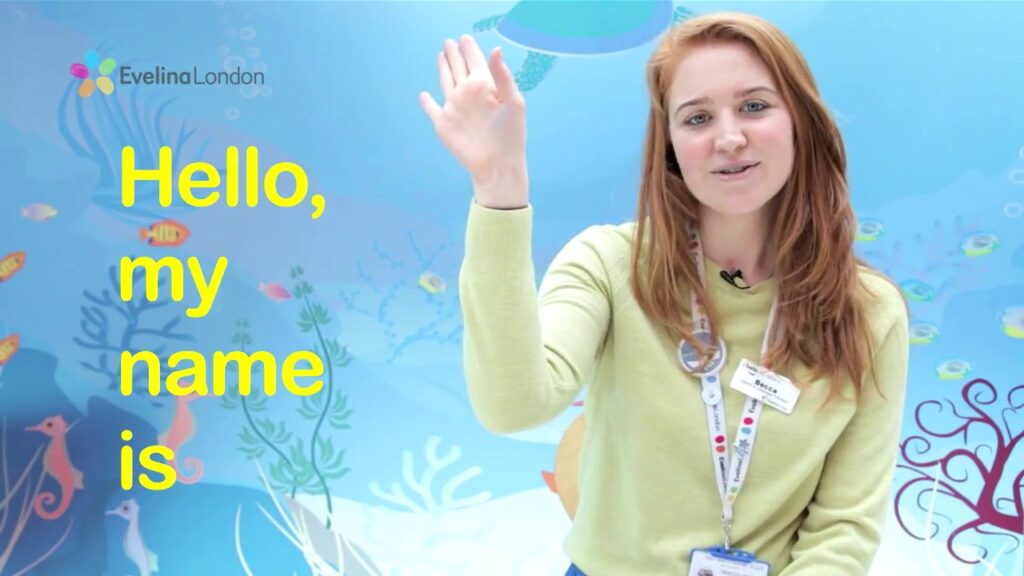
“My” is a possessive pronoun used to indicate ownership or association with the first person singular. This sign is commonly used in everyday conversations within the Deaf community, whether referring to personal belongings, family members, or experiences. Knowing how to sign “My” is essential for effective communication in ASL.
[VIDEO_PLACEHOLDER]
Table of Contents
How to Form the Sign “My”
- Handshape: The handshape for “My” is an open hand with fingers together. The palm faces inward toward your body.
- Location: The sign is made at the center of your chest, close to your heart. This placement emphasizes a personal connection.
- Movement: Start with your open hand at your chest and then move it slightly away from your body. It’s a gentle motion that signifies possession.
- Non-manual signals: While signing “My,” maintaining eye contact is important. You can also use facial expressions to convey emotion or emphasis.
The sign effectively communicates ownership, and the placement on the chest adds a personal touch. It is usually accompanied by appropriate facial expressions that can show pride, happiness, or emphasis on what is being referred to.
Using “My” in Sentences
In ASL, “My” is used to express ownership. For example, to say “My dog,” you would sign “My” followed by the sign for “dog.” This structure can be used for various nouns like family members, belongings, or abstract concepts. Here are a few examples:
- My name: Sign “My” followed by the sign for “name.”
- My friend: Use “My” and then the sign for “friend.”
- My house: Combine “My” with the sign for “house.”
Signs Related to “My”
Learning related signs can enhance your vocabulary and improve your signing skills. Here are some signs that are commonly used alongside “My”:
- Family: Sign for family members.
- Friend: Sign for friends and relationships.
- Job: Discussing your occupation.
- House: Talking about your living situation.
Common Confusion with Similar Signs
Some learners may confuse “My” with similar signs that indicate possession, such as “Your” or “His/Her.” Each of these signs has distinct handshapes and movements:
- Your: The handshape is similar but moves slightly outward from the chest towards the person you are addressing.
- His/Her: This sign generally uses the same location but may involve a different handshape and facial expression to indicate the third person.
FAQ
What is the difference between “My” and “Mine” in ASL?
In ASL, “My” is a possessive pronoun used to indicate ownership directly, while “Mine” is used less frequently and may involve a different sign or emphasis on ownership in context.
Can “My” be used to refer to abstract concepts?
Yes, “My” can be used with abstract nouns, such as “My happiness” or “My feelings,” to indicate ownership or association with those concepts.
Should I always maintain eye contact when signing “My”?
Maintaining eye contact is crucial in ASL to convey engagement and connection with the person you are communicating with, especially when using possessive signs.
Is there a specific context where “My” is not used?
While “My” can be used broadly, it is not used in formal contexts like official documentation. In those cases, standard English terms for possession would be more appropriate.
Practice ASL Signs
Use your camera to practice signs and get real-time AI feedback on your technique.
Free · No signup required