
Mama in Sign Language (ASL)
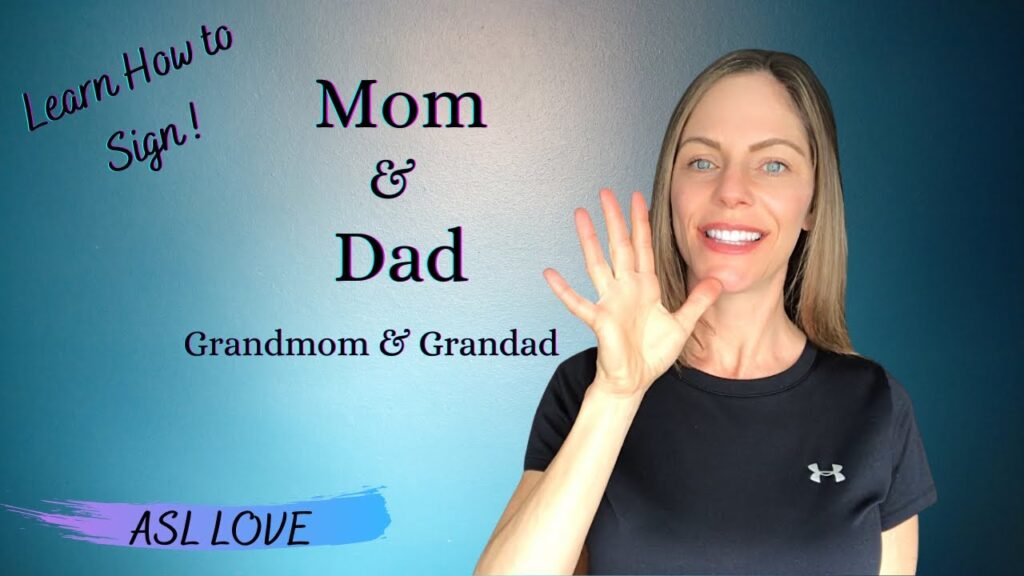
The sign “Mama” is a warm, affectionate way to refer to one’s mother. It is commonly used by children as they begin to communicate, as well as by adults to convey love and respect. This sign is integral to family dynamics in the Deaf community and serves as a way to strengthen relationships.
[VIDEO_PLACEHOLDER]
Table of Contents
How to Form the Sign “Mama”
- Handshape: The sign for “Mama” uses a flat handshape, with fingers extended and together, resembling an open palm.
- Location: The sign is made at the chin or in front of the face, which is a common location for signs that denote familial relationships.
- Movement: To produce the sign, move the dominant hand downwards slightly from the chin, as if gently tapping the chin. This movement is smooth and fluid.
- Non-manual signals: While signing “Mama,” you may also use facial expressions to convey warmth or affection, such as smiling or softening your gaze.
When you make the sign for “Mama,” the combination of the handshape and movement helps to convey the affectionate connection to one’s mother. It is an easy sign for children to learn and use in their early stages of communication.
Using “Mama” in Sentences
Incorporating “Mama” into sentences is simple and effective. For example, you might say, “I love Mama” by signing the phrase with appropriate facial expressions to emphasize emotion. Similarly, when talking about an event, you can express, “Mama is coming home” while maintaining eye contact to ensure comprehension. This sign can also be used in questions, such as “Where is Mama?” where you can raise your eyebrows to indicate that it’s a question.
Signs Related to “Mama”
Understanding related signs can enrich your communication. Here are some signs that connect to “Mama”:
- Father – The sign for father is similar but uses a different handshape and location.
- Parent – This sign encompasses both mother and father, indicating a caregiver.
- Family – This sign incorporates the concept of family, where “Mama” is often at the center.
- Love – An important sign to accompany “Mama,” showing affection.
Common Confusions with a Similar Sign
It’s important to note that “Mama” can sometimes be confused with the sign for “Woman.” While both signs utilize a similar handshape, the location and context in which they are used differ. “Mama” is specifically signed at the chin, focusing on the maternal relationship, while “Woman” is signed at the side of the head to represent adult females more generally. Context is key in understanding which sign is being used during conversation.
Frequently Asked Questions
What does “Mama” mean in ASL?
“Mama” refers to one’s mother and is often used by children to express love and affection.
Can “Mama” be signed differently in various regions?
While “Mama” is generally consistent, slight variations may exist in regional dialects of ASL; however, the core concept remains the same.
Is “Mama” used only by children?
No, adults also use “Mama” to refer to their mothers in a loving context and can incorporate it into everyday conversations.
How can I practice signing “Mama”?
Practicing in front of a mirror can help you get the handshape and facial expressions right. You can also use it in sentences with family members or friends.
Practice ASL Signs
Use your camera to practice signs and get real-time AI feedback on your technique.
Free · No signup required