
Father in Sign Language (ASL)
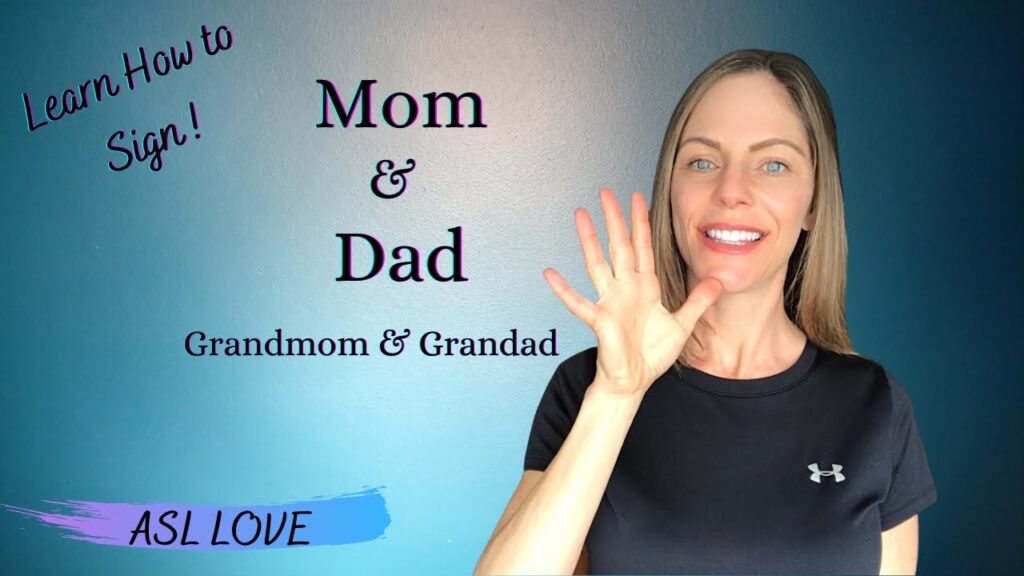
The sign Father represents the male parent or guardian in a family. It is commonly used in conversations about family dynamics, parental roles, and relationships. Understanding how to sign Father can enhance communication during family discussions or educational settings.
[VIDEO_PLACEHOLDER]
Table of Contents
Forming the sign
- Handshape: The sign for Father uses the “F” handshape, where the thumb and index finger form a circle and the other fingers are extended.
- Location: Begin the sign near your forehead, specifically at the brow area, to indicate the relationship is personal and familial.
- Movement: Move the hand slightly away from your forehead, maintaining the “F” handshape throughout the motion. This gesture symbolizes a connection, indicating the importance of the father figure.
- Non-manual signals: Maintain a neutral facial expression or slightly raise your eyebrows to convey the subject matter’s importance. This helps to emphasize the relationship being discussed.
When signing Father, remember that the location and movement are crucial in differentiating it from other signs. This sign is not only about the shape of the hand but also about where you place it and how you move it to reflect its meaning accurately.
Using “Father” in sentences
To effectively incorporate the sign Father into your conversations, you might frame it in sentences that highlight familial relationships. For example:
- My father is a teacher: You could sign “MY FATHER TEACHER,” using possessive signs to clarify ownership.
- Father loves his children: Sign “FATHER LOVE CHILDREN,” using appropriate facial expressions to convey the emotion involved.
- My father is cooking dinner: You can say “MY FATHER COOK DINNER,” adding signs for actions to describe the situation fully.
Using Father in different contexts helps enrich your vocabulary and enhance clarity in communication.
Signs related to “Father”
Understanding related signs can give you more context and help you communicate better about family. Here are a few:
- Mother – the female parent, contrasting with Father.
- Parent – a general term for a mother or father.
- Son – refers to a male child of parents.
- Daughter – refers to a female child of parents.
- Family – represents the broader unit of parents and children.
Common confusion with a similar sign
Some learners may confuse the sign for Father with the sign for “Dad,” which is signed similarly but typically involves a more casual or affectionate gesture, often adjusting the handshape or location slightly. Understanding the subtle differences can clarify how you refer to the paternal figure in different contexts.
FAQ
What is the difference between “Father” and “Dad”?
“Father” is a more formal term, while “Dad” is informal and often indicates a closer, more affectionate relationship.
Can “Father” be used in a religious context?
Yes, “Father” can also refer to a spiritual father figure, such as a priest or leader in certain religious traditions, depending on the context.
Is there a sign for ‘stepfather’?
Yes, you can sign “FATHER” and then modify it by signing “STEP,” typically using the sign for “step” before “FATHER” to clarify the relationship.
What facial expressions should I use when signing “Father”?
Using neutral or slightly raised eyebrows helps to emphasize the importance of the sign, while expressions of warmth can be used when discussing personal relationships.
Practice ASL Signs
Use your camera to practice signs and get real-time AI feedback on your technique.
Free · No signup required