
Langue Des Signes Pour en Langue des Signes Française (LSF)
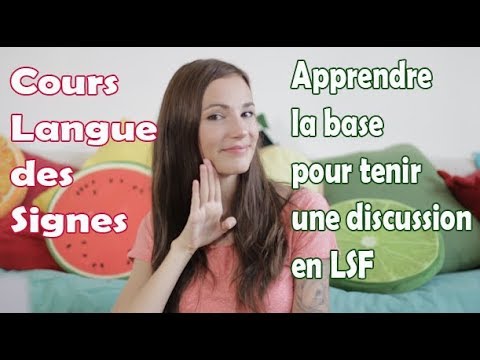
The sign “langue des signes pour” refers to “sign language for” in English, often used when discussing different sign languages or their applications. This sign is commonly used in educational contexts, workshops, or conversations about communication methods within the Deaf community.
Table of Contents
How to Sign “Langue Des Signes Pour”
- Start with your dominant hand in a flat handshape (like the “B” handshape) near your mouth.
- Move your hand outward away from your mouth, maintaining the flat handshape.
- As you extend your arm, turn your palm to face slightly upward, indicating the concept of “language” or “sign language.”
- Pause briefly, then bring your hand back towards your body as if you are inviting someone to learn or understand.
- Throughout the sign, maintain a friendly and inviting facial expression to convey openness and inclusivity.
Common Mistakes
- Some learners forget to maintain the flat handshape, which can lead to miscommunication.
- Not using facial expressions can make the sign feel less engaging and can lose the essence of the message.
- Moving the hand too quickly can make the sign hard to understand; a slower, more deliberate movement is often more effective.
Related Signs
- 1 – The sign for the number one.
- 12 Langue Des Signes – Refers specifically to the number 12 in sign language contexts.
- 1200 Signes Langue Des Signes Française – Discusses a specific number of signs in French Sign Language.
- 10 – The sign for the number ten.
Frequently Asked Questions
How can I use “langue des signes pour” in a sentence?
You might say, “Je veux apprendre la langue des signes pour mieux communiquer,” which means, “I want to learn sign language to communicate better.”
Are there regional variations for this sign?
Yes, some regions may have slight variations in the handshape or movement, but the core idea remains the same.
What are some similar signs to “langue des signes pour”?
Similar signs include “langue des signes” and “apprendre,” which can both relate to learning and language in general.
How does this compare to British Sign Language (BSL)?
The sign for “sign language” in BSL is different in both handshape and movement, reflecting the unique characteristics of each sign language.
What are some teaching tips for this sign?
Encourage learners to practice in pairs, focusing on clarity of handshape and facial expressions to enhance communication.
Practice This Sign
Try signing Langue Des Signes Pour with your camera and get AI coaching on your handshape, movement, and location.
Free · No signup required