
King in Sign Language (ASL)
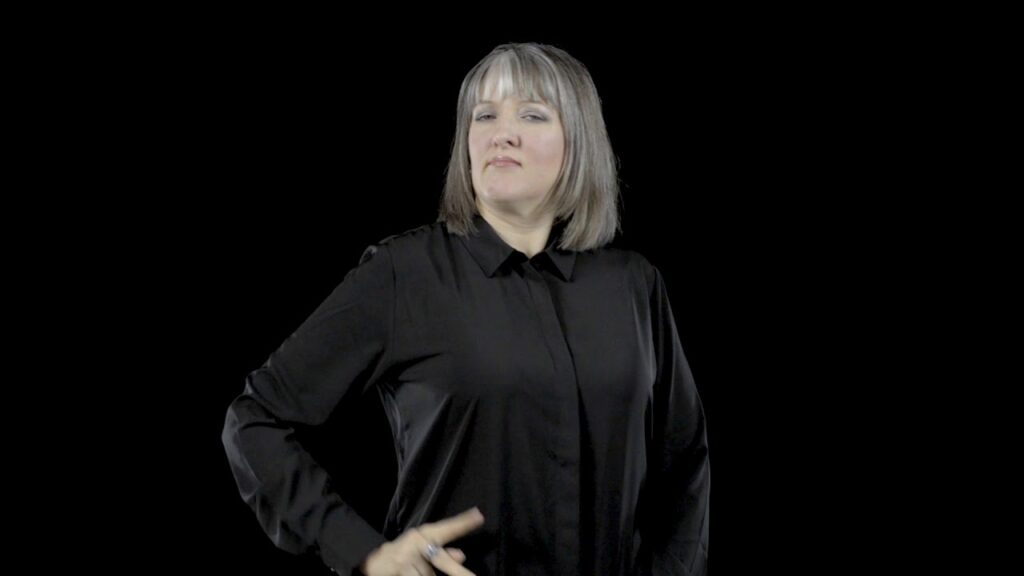
The sign for King represents a male monarch or a figure of authority in a royal context. It’s commonly used in discussions about history, literature, or when referring to characters in stories or movies. This sign is not only applicable to literal kings but can also symbolize leadership qualities in general.
[VIDEO_PLACEHOLDER]
Table of Contents
How to Form the Sign “King”
- Handshape: Begin with your dominant hand in a “K” handshape. This means your index and middle fingers are extended and separated, making a “V” shape, while your thumb is held out to the side.
- Location: Position your dominant hand in front of your forehead. The fingers should point outward, away from your face.
- Movement: From the forehead location, move your hand slightly forward and downward in a gentle outward motion. This movement symbolizes the idea of a crown and can express the concept of ruling or authority.
- Non-manual Signals: Maintain a neutral facial expression while signing the word “King.” However, you can add emphasis by elevating your eyebrows slightly during the sign, which can denote majesty or importance.
The sign for “King” visually represents the crown, a common symbol of royalty, enhancing the meaning associated with the sign. It’s an important sign for discussing themes of power and authority in various contexts, from historical discussions to modern storytelling.
Using “King” in Sentences
In conversation, you might use “King” in various contexts. For example:
- When talking about a historical figure, you could sign: “King Henry VIII ruled England.”
- In a discussion about literature: “In the story, the King makes a difficult decision.”
- When discussing movies: “The King in this film is portrayed as wise and just.”
Signs Related to “King”
There are several signs related to “King” that can expand your vocabulary and understanding of topics related to royalty and leadership:
- Queen – Represents the female counterpart to a king.
- Crown – Refers specifically to the headwear of a monarch.
- Prince – Signifies the son of a king or queen.
- Royal – Describes anything related to kingship or queenship.
- Leader – A more general term for someone who guides or directs, not limited to monarchs.
Regional Variation
While the sign for “King” is widely recognized, there may be slight variations in its execution based on regional dialects within the Deaf community. In some areas, the movement of the sign may be more pronounced or subtle. Observing native signers from different regions can help learners understand these nuances and adopt a more versatile signing style.
Frequently Asked Questions
What is the significance of the “K” handshape in “King”?
The “K” handshape is symbolic of the word itself, representing the initial of ‘king’ and connecting to the concept of royalty, emphasizing authority.
Can “King” be used in a metaphorical context?
Yes, “King” can be used metaphorically to describe someone in a position of power or authority, not limited strictly to royal figures.
Are there any cultural references associated with the sign “King”?
Yes, the sign often appears in discussions about historical figures, literature, folklore, and modern media, where kings play significant roles.
How can I practice signing “King” more effectively?
Practice in front of a mirror or with a Deaf friend who can provide feedback on your handshape and movement to ensure clarity and accuracy.
Is there a specific context where this sign is more commonly used?
The sign “King” is frequently used in educational settings, storytelling, and discussions of history or politics, especially in contexts that involve monarchy.
Practice ASL Signs
Use your camera to practice signs and get real-time AI feedback on your technique.
Free · No signup required