
I Know in Sign Language (ASL)
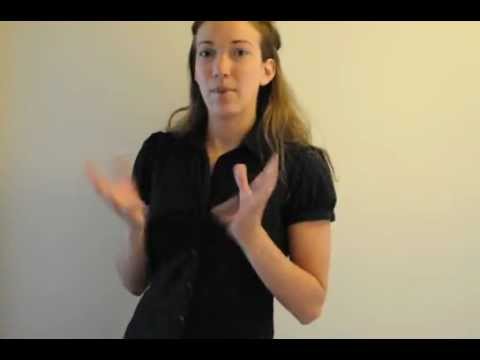
The sign “I Know” is a fundamental expression in American Sign Language that conveys certainty and understanding. It’s commonly used to assert one’s knowledge about a topic or to affirm something another person has stated. This sign can enhance a conversation by showing engagement and acknowledgment.
[VIDEO_PLACEHOLDER]
Table of Contents
Forming the sign
- Handshape: Use the dominant hand in a flat “B” handshape, with fingers extended and together.
- Location: Position your hand at the forehead, just above the eyebrow level.
- Movement: Move your hand slightly away from your forehead, then return it to the original position. This gesture mimics the action of pulling information from your head.
- Non-manual signals: Accompany the sign with a nod or an affirmative facial expression to reinforce your understanding.
This sign reflects confidence and clarity. By using a flat handshape at the forehead, it visually captures the idea of knowledge emanating from the mind. The slight outward movement suggests a connection between what you know and the conversation.
Using “I Know” in sentences
“I Know” can be utilized in various contexts. For example:
– “I know how to solve that problem.”
– “I know what you mean.”
– “I know that you like pizza.”
In each of these examples, “I Know” emphasizes your understanding or acknowledgment of the other person’s statement or query. The use of context is crucial; consider the subject being discussed to ensure clarity.
Signs related to “I Know”
For a richer vocabulary in your signing, consider these related signs:
- Know – This sign expresses understanding or familiarity with a subject.
- Understand – This sign indicates comprehension or grasp of an idea.
- Realize – A sign that conveys coming to a new understanding or awareness.
- Remember – This sign relates to recalling past information or experiences.
- Acknowledge – This sign is useful for affirming someone’s statement or presence.
Common confusion with a similar sign
Many learners may confuse “I Know” with the sign for “I Don’t Know.” The latter uses a similar handshape but has a different movement. While “I Know” involves a slight outward motion from the forehead, “I Don’t Know” typically involves shaking your head side to side while keeping the hand still or moving it outward with a confused expression. Paying attention to context, facial expressions, and movement will help clarify which sign you intend to convey.
FAQ
What does “I Know” express in a conversation?
“I Know” conveys certainty and acknowledgment of information shared by someone else, showing that you understand or recognize what has been said.
Can “I Know” be used in responses?
Yes, it can be used as a response to affirm your understanding or awareness of the topic being discussed. It is often paired with nodding to reinforce the message.
Are there regional variations of the “I Know” sign?
While the basic sign remains consistent, there may be slight variations in movement or facial expressions depending on the region. It’s always good to be aware of local signing styles.
Is “I Know” used in formal settings?
Yes, “I Know” can be used in both formal and informal settings to express understanding. However, be mindful of the context to ensure it is appropriate.
What is the importance of facial expressions with “I Know”?
Facial expressions enhance the meaning of the sign. A confident expression adds to the affirmation of knowledge, while a puzzled expression can completely change the message.
Practice ASL Signs
Use your camera to practice signs and get real-time AI feedback on your technique.
Free · No signup required