
Green in Sign Language (ASL)
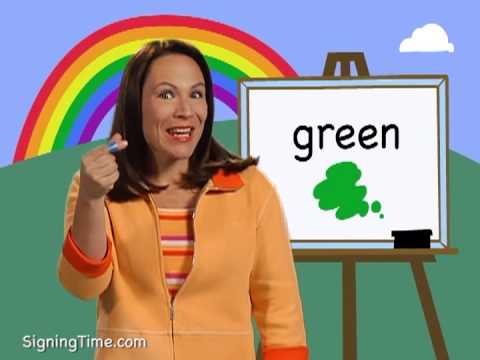
The sign “Green” represents the color commonly associated with nature, growth, and renewal. It is often used in discussions about the environment, clothing, or any context where the color is relevant. Understanding this sign can enhance conversations about sustainability or personal preferences in color.
[VIDEO_PLACEHOLDER]
Table of Contents
Forming the sign
- Handshape: Use the “G” handshape, where your thumb and index finger are extended while the other fingers remain curled into the palm.
- Location: Position your dominant hand in front of your torso, typically around the chest level.
- Movement: Move your hand slightly forward and downward from the starting location. This movement should be fluid and gentle.
- Non-manual signals: While signing “Green,” it’s common to maintain a neutral facial expression, though you can add a slight nod to emphasize the color or context if needed.
When performing the sign, be sure to maintain a clear handshape and smooth movement. The sign should feel natural and fluid, reflecting the simplicity associated with the color green.
Pairing “Green” with other signs
In ASL, “Green” is often paired with other signs to form more complex ideas. For instance, you might combine it with apple when talking about a green apple, or car for a green car. Additionally, using it with nature can enhance discussions about environmental topics. You may also express emotions like happy when referring to the positive feelings associated with the color. These pairings can enrich your conversations and provide more context.
Where this sign comes from
The sign “Green” in ASL has evolved from a combination of factors, including the natural representation of the color through handshapes and movements that mimic the essence of the word. The use of the “G” handshape helps convey the specific shade of color, making it visually distinct and easily recognizable. This connection to the natural world reinforces the importance of green in both language and culture.
Common confusion with a similar sign
Some learners may confuse the sign for “Green” with other color signs, particularly “Blue,” which uses a similar handshape but a different location and movement. When signing, be mindful of the context and ensure that the movement and location are distinctly suited for the color being conveyed. Practicing in front of a mirror or recording yourself can help ensure clarity and correctness in your signing.
FAQ
What is the handshape for “Green”?
The handshape for “Green” is the letter “G,” where the thumb and index finger are extended while the other fingers are curled into the palm.
Can I use “Green” to describe things other than colors?
Yes, while “Green” primarily refers to the color, it can also symbolize concepts like environmental consciousness or sustainability when used in context.
How do I know when to use “Green” in a sentence?
Use “Green” whenever you are discussing colors, especially in contexts related to nature, clothing, or personal preferences about color.
Are there different signs for “Green” in other regions?
While “Green” is generally consistent across ASL, there may be slight variations in movement or usage in different regions. Always be open to learning local variations.
How can I practice signing “Green” effectively?
To practice, try incorporating the sign into daily conversations about colors or nature. Record yourself to review your handshape and movement for accuracy.
Practice ASL Signs
Use your camera to practice signs and get real-time AI feedback on your technique.
Free · No signup required