
Ghost in Sign Language (ASL)
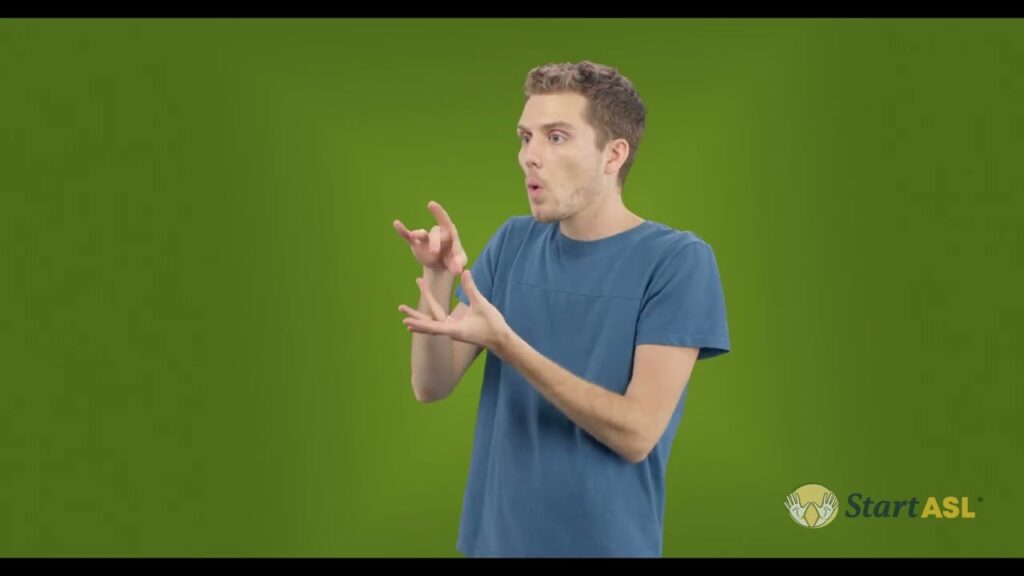
The sign for Ghost represents the concept of a spirit or apparition, often associated with supernatural stories and folklore. It can be used in various contexts, such as discussing Halloween, storytelling, or cultural beliefs about the afterlife. This sign is characterized by a specific handshape and movement that conveys the ethereal quality of a ghostly figure.
[VIDEO_PLACEHOLDER]
Table of Contents
Forming the sign
- Handshape: Start with your dominant hand in a flat “B” handshape, with fingers extended and together.
- Location: Position your hand in front of your body, at about chest height.
- Movement: Move your hand slightly upward and downward in a flowing motion, as if the ghost is floating or drifting.
- Non-manual signals: Incorporate a slight widening of your eyes and a relaxed facial expression to convey a sense of eeriness or mystery.
The combination of these elements creates a visually appealing representation of a ghost. The gentle movement and handshape reflect the light and ethereal nature of spirits in folklore, making this sign easily recognizable among signers.
Using “Ghost” in sentences
The sign “Ghost” can be effectively integrated into various sentences to convey different meanings. For example, you might say, “I saw a ghost last night,” using the sign for Ghost while describing an experience. In another context, you could express, “Ghosts are part of many cultures,” which highlights the cultural relevance of the concept. When storytelling, incorporating the sign for Ghost can enhance the narrative, adding visual interest and emotional depth.
Signs related to “Ghost”
Spirit – This sign represents a broader concept of a soul or essence, often used interchangeably with Ghost in some contexts.
Halloween – The sign for Halloween is popular during the season, especially when discussing ghosts, costumes, and spooky themes.
Scary – This sign can pair well with Ghost to describe frightening experiences or tales related to ghostly encounters.
Frighten – Use this sign to express the emotion associated with seeing a ghost or experiencing fear.
Story – The sign for story can enhance your storytelling when incorporating ghostly tales or legends.
Where this sign comes from
The sign for Ghost is deeply rooted in Deaf culture and often draws from the shared experiences and folklore of the Deaf community. Many Deaf individuals have rich storytelling traditions that include ghost stories, passed down through generations. The sign itself reflects a collective understanding of the concept of spirits and their significance in various cultures. This connection to folklore and shared stories showcases the importance of visual language in conveying not just the sign itself, but also the cultural narratives behind it.
Common confusion with a similar sign
While learning the sign for Ghost, it’s easy to confuse it with the sign for “Spirit” due to their similar handshapes and movements. However, the context usually clarifies which sign is intended. The sign for Spirit often has a more pronounced upward movement and may incorporate a more expressive facial expression. Practicing these signs in context can help you distinguish between them and use them accurately in conversation.
FAQ
What is the proper context for using “Ghost”?
The sign “Ghost” is used in contexts involving folklore, horror stories, Halloween discussions, or when sharing personal experiences related to spirits.
Is “Ghost” used in a specific regional dialect?
While the sign for Ghost is widely recognized, regional variations may exist. It’s beneficial to learn from local signers to understand any unique adaptations.
Can “Ghost” be used in a humorous context?
Yes, the sign can certainly be used humorously, especially when telling funny ghost stories or jokes about the supernatural.
How can I improve my signing of “Ghost”?
Practice with peers and incorporate the sign into storytelling sessions to enhance your fluency and comfort level with both the sign and the movement.
What age group commonly uses the sign for Ghost?
The sign is used by all age groups, particularly during Halloween or when sharing spooky stories, making it popular among children and adults alike.
Practice ASL Signs
Use your camera to practice signs and get real-time AI feedback on your technique.
Free · No signup required