
Story in Sign Language (ASL)
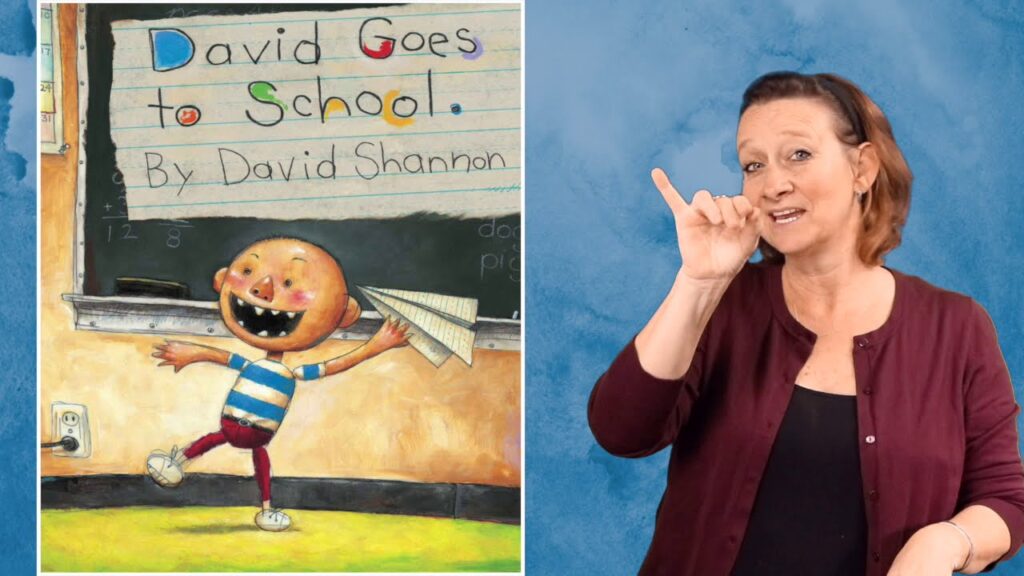
The sign for Story conveys the concept of a narrative or tale being told. It is commonly used in both casual conversation and storytelling contexts within the Deaf community. Whether sharing a personal experience or recounting a classic tale, this sign plays a vital role in facilitating communication and expression.
[VIDEO_PLACEHOLDER]
Table of Contents
Forming the sign
- Handshape: Use your dominant hand in a flat ‘B’ shape, with fingers extended and together.
- Location: Position your dominant hand in front of you, at about chest height.
- Movement: With your dominant hand, create a gentle forward motion, as if you are opening a book or presenting the story. The movement should be smooth and fluid, mimicking the act of sharing a narrative.
- Non-manual signals: Accompany this sign with facial expressions that enhance the storytelling quality. For instance, raising your eyebrows slightly can indicate excitement or suspense, while a more serious expression may denote a somber tale.
This sign captures the essence of storytelling, allowing the signer to visually represent the act of narrating a story. It is commonly used to introduce a tale or to indicate that one has a story to share.
Using “Story” in sentences
In everyday conversations, you might say, “I have a great story to tell!” By incorporating the sign for Story, you enrich the communication by visually emphasizing the narrative aspect. Another example could be, “Let me share a story about my childhood.” Here, the sign helps convey the importance of the narrative being presented.
Signs related to “Story”
Exploring related signs can enhance your storytelling skills. Consider these:
- Tale – Often used interchangeably with story, but can imply a more fanciful narrative.
- Narrate – Focused on the act of telling a story, emphasizing the storytelling process.
- Book – Related to stories in a literary context, representing the source of many narratives.
- Lie – Important for indicating falsehoods, especially when telling personal stories.
- Fooling – Used when sharing humorous or deceptive stories, often in a playful context.
Common confusion with a similar sign
Many learners confuse the sign for Story with the sign for “History.” While both involve narrative elements, the sign for History involves a different handshape and movement, emphasizing factual recounting rather than creative storytelling. Understanding this distinction is key in effectively conveying the intended meaning during conversations.
FAQ
What is the difference between “Story” and “Tale”?
While both terms are used to describe narratives, “Story” is a broader term encompassing various types of narratives, whereas “Tale” often refers to a specific type of story, usually with a moral or lesson.
Can I use “Story” when signing personal experiences?
Absolutely! The sign for Story is perfect for recounting personal experiences, making it an essential part of storytelling within the Deaf community.
Are there different versions of the sign for “Story”?
There may be regional variations in the sign for Story, with some users incorporating different movements or handshapes. It’s always good to observe local signing styles.
How can I improve my storytelling in ASL?
Practice incorporating expressive facial expressions and body language into your storytelling. Engaging with your audience visually will make your narratives more captivating and relatable.
Practice ASL Signs
Use your camera to practice signs and get real-time AI feedback on your technique.
Free · No signup required