
Fun in Sign Language (ASL)
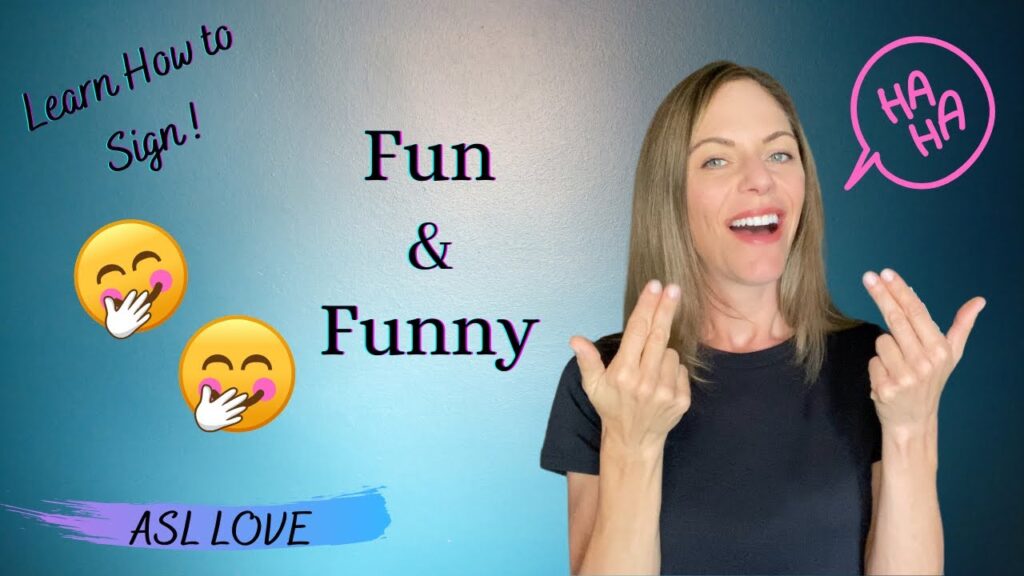
The sign for Fun conveys a sense of enjoyment, amusement, or playfulness. It is commonly used in conversations to express excitement about activities and experiences that are enjoyable. Whether discussing a fun event, playful interactions, or lighthearted moments, this sign captures the essence of joy in various contexts.
[VIDEO_PLACEHOLDER]
Table of Contents
Forming the sign
- Handshape: The dominant hand forms a loose “5” handshape, with all fingers extended and slightly spread.
- Location: The hand is positioned in front of your body, typically at about chest level.
- Movement: The hand moves in a small circular motion, often accompanied by a slight bouncing effect to emphasize the playful nature of the sign.
- Non-manual signals: A smile or a bright facial expression can enhance the meaning of the sign, making it clear that you are referring to something enjoyable.
When performing the sign for Fun, it’s important to maintain a cheerful demeanor to match the sign’s meaning. This helps convey the excitement and positivity associated with fun activities or experiences.
Using “Fun” in sentences
In conversations, the sign for Fun can be incorporated seamlessly into a variety of sentences. For example, you might say, “We had so much fun at the party,” signed as “We party fun.” Alternatively, when suggesting an activity, you might say, “Let’s do something fun,” simplified to “Let’s do fun.” This structure allows for clear and direct communication about enjoyable experiences.
Signs related to “Fun”
There are several related signs that help enrich conversations about enjoyment and playfulness. These include:
- Play – This sign refers to engaging in activities for enjoyment, often used with children or in recreational contexts.
- Happy – This expression of happiness can complement discussions about fun and joy.
- Exciting – Use this sign when describing something thrilling or adventurous that adds to the notion of fun.
- Party – Often associated with fun gatherings, this sign can be used in contexts where social enjoyment is highlighted.
Common confusion with a similar sign
When learning the sign for Fun, it is important to distinguish it from the sign for “Funny.” Although both signs share a playful context, the sign for Funny uses a different handshape and movement, often involving the dominant hand moving towards the face. This distinction can help prevent misunderstandings during conversations when discussing enjoyable or humorous situations.
FAQ
How do you express degrees of fun in ASL?
You can emphasize the degree of fun by modifying facial expressions and adding qualifiers such as “very” or “so.” For example, you might use an exaggerated smile and the sign for Fun, followed by the sign for “very” to indicate something particularly enjoyable.
Can “Fun” be used to describe activities for both children and adults?
Yes, the sign for Fun is versatile and can be used in reference to enjoyable activities for people of all ages. Whether it’s a children’s game or an adult party, this sign effectively conveys the spirit of enjoyment.
Is the sign for “Fun” the same in all regions?
While the basic sign for Fun is widely recognized, there may be regional variations in execution or accompanying facial expressions. It’s always a good idea to observe local signers to grasp any nuances.
What activities can I use the sign “Fun” with?
The sign can be used with a variety of activities such as games, outings, events, or any experience that elicits joy and amusement, making it a versatile addition to your signing vocabulary.
How can I practice the sign for “Fun”?
To practice, try incorporating the sign into different sentences about your daily experiences. Use a mirror to check your handshape and facial expressions, ensuring you convey the right emotion alongside the sign.
Practice ASL Signs
Use your camera to practice signs and get real-time AI feedback on your technique.
Free · No signup required