
Frustrated in Sign Language (ASL)
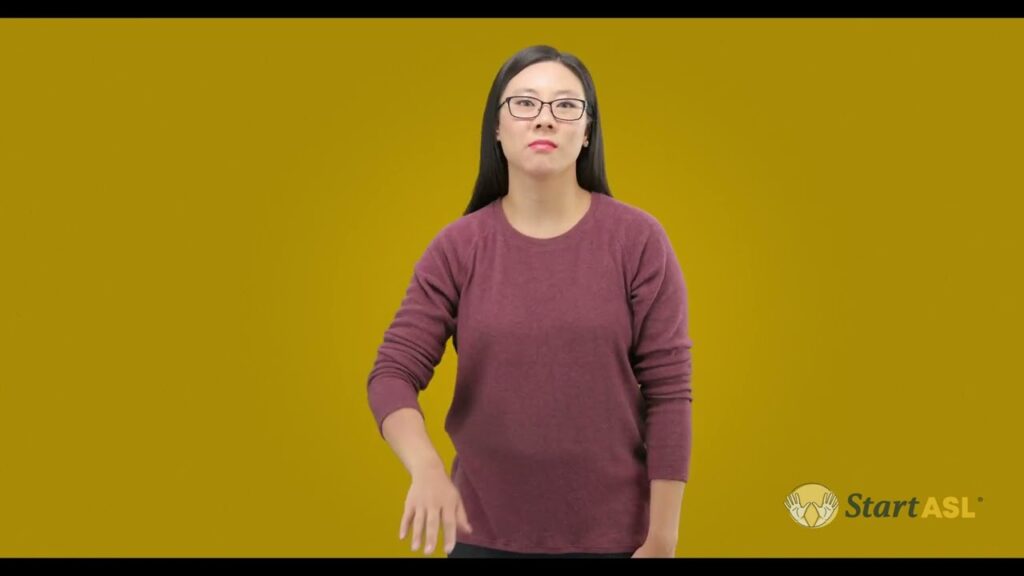
The sign “Frustrated” is used to express feelings of annoyance, disappointment, or irritability that can occur when things do not go as planned. This emotion is common in everyday life, whether due to personal situations, misunderstandings, or obstacles that hinder goals. Understanding how to accurately convey this emotion in ASL can enhance communication and provide clarity in expressing one’s feelings.
[VIDEO_PLACEHOLDER]
Table of Contents
How to Form the Sign “Frustrated”
- Handshape: Use the dominant hand in a bent “5” handshape (fingers curled) with the palm facing inward.
- Location: Position your dominant hand at chin level, slightly in front of your face.
- Movement: Move the hand forward and downward, while simultaneously shaking your head slightly to indicate frustration.
- Non-manual signals: Accompany the sign with facial expressions that convey annoyance or distress, such as furrowing your brow or opening your mouth slightly to express a sigh.
This sign combines physical movement with emotional expression. When performing the sign “Frustrated,” it’s essential to match your facial expressions with the hand movement, as non-manual signals play a crucial role in conveying the intended emotional weight. This helps others understand not just the word being signed, but the depth of feeling behind it.
Using “Frustrated” in Everyday Conversations
In everyday signing, “Frustrated” can be applied in various contexts. Here are some examples:
- Example 1: “I was frustrated when I couldn’t find my keys.” (Sign “Frustrated” after signing “I” and “couldn’t find my keys.”)
- Example 2: “She felt frustrated with the long wait.” (Sign “Frustrated” after signing “She” and “long wait.”)
- Example 3: “He often gets frustrated with technology.” (Sign “Frustrated” after signing “He” and “often gets with technology.”)
Using “Frustrated” appropriately in sentences allows for effective communication of emotional states. Make sure to emphasize the sign with appropriate facial expressions, as the context enhances understanding.
Signs Related to “Frustrated”
To further enrich your emotional vocabulary in ASL, consider these related signs:
- Annoyed: A similar emotion that represents mild frustration.
- Angry: A more intense emotion than frustration, often accompanied by a stronger expression.
- Disappointed: This sign expresses feelings of letdown, often overlapping with frustration.
- Stressed: A sign indicating feelings of pressure that can lead to frustration.
- Upset: A broader sign that captures feelings of distress or discomfort.
Common Confusion with Similar Signs
When learning the sign for “Frustrated,” some may confuse it with similar signs that express related emotions. For instance, the sign for “Angry” is often mistaken for “Frustrated” due to the use of similar handshapes and movements. However, “Angry” typically involves more aggressive movements and a more pronounced facial expression. Pay close attention to the context and the intensity of the emotion being expressed to differentiate between these signs accurately.
Frequently Asked Questions
What is the difference between “Frustrated” and “Annoyed”?
“Frustrated” conveys a deeper sense of disappointment and inability to meet expectations, while “Annoyed” typically refers to annoyance without the sense of helplessness.
Can “Frustrated” be signed with different facial expressions?
Yes, the facial expression can change depending on the context. A more exaggerated expression can indicate a higher level of frustration, while a subtle expression can indicate mild annoyance.
Is “Frustrated” a commonly used sign in ASL?
Yes, it is frequently used among Deaf individuals to express various situations where they may feel hindered or thwarted in their efforts.
What should I avoid when signing “Frustrated”?
Avoid using a neutral facial expression, as it can lead to misunderstanding. The emotional aspect is important to convey the intensity of the feeling.
How can I practice the sign “Frustrated” effectively?
Practice in front of a mirror to observe your facial expressions and movements. Additionally, incorporate the sign into conversations about situations that make you feel frustrated.
Practice ASL Signs
Use your camera to practice signs and get real-time AI feedback on your technique.
Free · No signup required