
Angry in Sign Language (ASL)
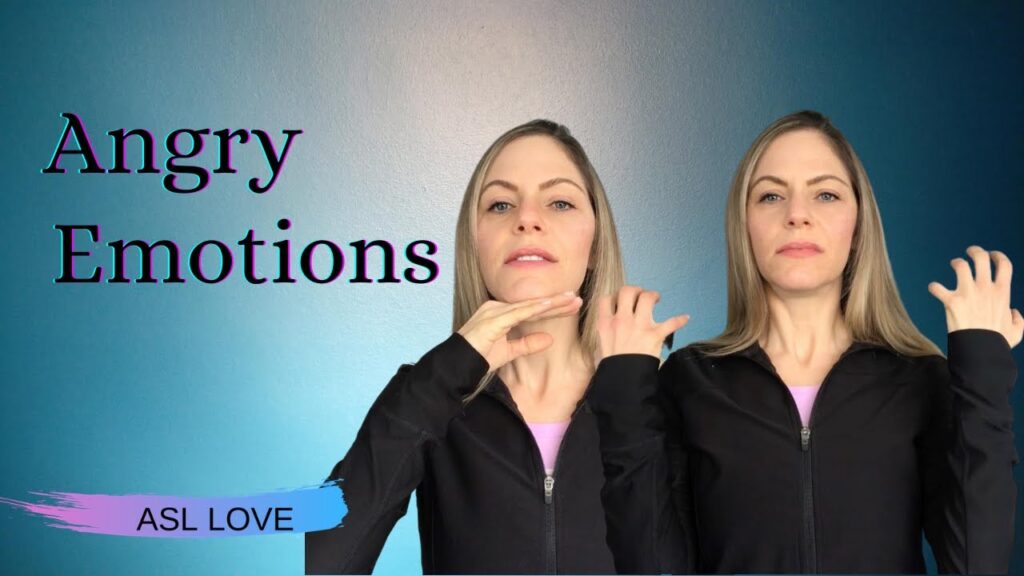
The sign “Angry” is used to express feelings of irritation, frustration, or rage. It captures a strong emotional state and can be used in various contexts, such as describing a person’s mood or reacting to a situation. Understanding this sign is essential for effective communication in the Deaf community.
[VIDEO_PLACEHOLDER]
Table of Contents
How to Form the Sign Angry
- Handshape: Start with both hands in a claw shape. Your fingers should be curled inwards, and the palms should be facing your body.
- Location: Position your hands at the sides of your face, around the height of your jawline.
- Movement: Move your hands away from your face and slightly downwards, while simultaneously tightening your claw shape. This motion should look forceful, conveying the intensity of the anger.
- Non-manual signals: Accompany the sign with facial expressions that reflect anger. Furrow your brows, tighten your lips, and possibly widen your eyes to enhance the emotional impact of the sign.
This sign effectively conveys the emotion of anger through both hand and facial expressions. Remember to practice the intensity in your movements and expressions, as they are crucial in delivering the correct emotional context.
Using Angry in Everyday Sentences
In conversation, “Angry” can be used in various contexts. For example, you might sign: “I am angry with my friend” or “He looked angry after hearing the news.” It’s essential to combine this sign with facial expressions to accurately convey your emotions.
Here are some examples:
- “I feel angry about the situation.”
- “She was angry when he canceled the plans.”
Signs Related to Angry
Understanding related signs can help expand your vocabulary. Here are some signs that are often associated with “Angry”:
- Annoyed: A milder form of anger.
- Frustrated: Related to a feeling of helplessness.
- Irritated: A more specific, often less intense emotion than anger.
- Furious: Represents an extreme level of anger.
Common Confusion with a Similar Sign
Many learners confuse “Angry” with “Frustrated”. While both express negative emotions, the signs and their associated facial expressions differ. “Angry” typically involves a more intense expression and a stronger movement, while “Frustrated” may be indicated with a more subdued facial expression and a gentler hand gesture. Pay close attention to the nuances to avoid misunderstandings.
FAQ
What does the sign Angry look like?
The sign features both hands in a claw shape, positioned at the sides of the face, and moved away from the face with a tightening of the handshape.
Can I use Angry for different levels of anger?
Yes, you can adjust the intensity of your hand movements and facial expressions to indicate different levels of anger, from mild irritation to full-blown rage.
Is there a specific context for using Angry?
Use “Angry” when discussing situations or feelings that involve strong emotions. It’s suitable for personal feelings or describing someone else’s emotions.
How can I improve my facial expressions when signing Angry?
Practice in front of a mirror to see how your facial expressions affect the sign. Try exaggerating your expressions to better convey the emotion.
Are there cultural differences in expressing anger in ASL?
In the Deaf community, it’s important to express emotions clearly, including anger. However, the expression must be appropriate to the context and audience.
Practice ASL Signs
Use your camera to practice signs and get real-time AI feedback on your technique.
Free · No signup required