
Fishing in Sign Language (ASL)
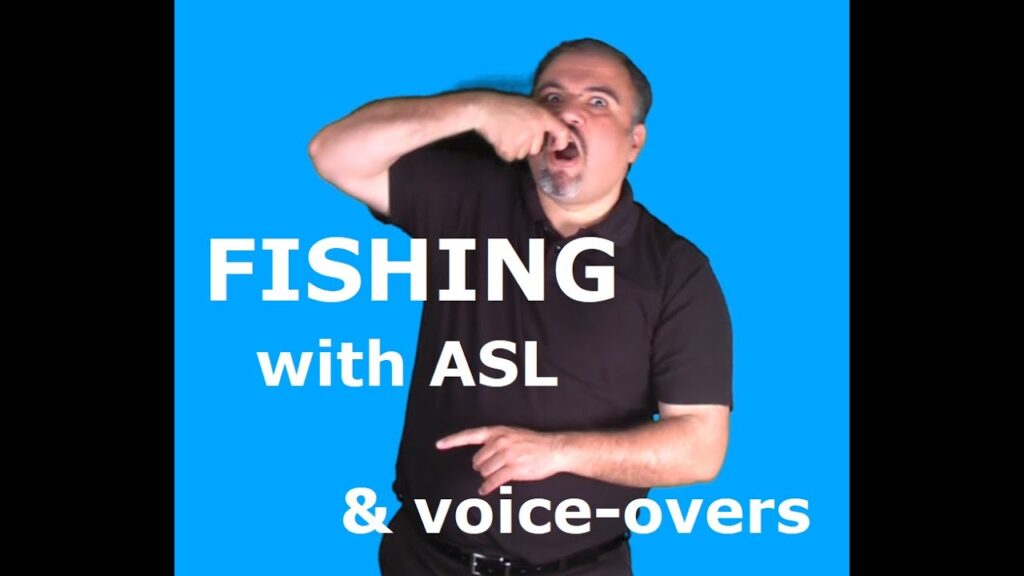
The sign “Fishing” refers to the activity of catching fish, typically done for recreational purposes or as a profession. This sign is used in various contexts, such as discussing fishing trips, techniques, and experiences. It embodies the essence of fishing, making it a common sign among those who enjoy outdoor activities related to water.
[VIDEO_PLACEHOLDER]
Table of Contents
Forming the sign
- Handshape: The dominant hand forms a flat “B” handshape, with the palm facing down.
- Location: The hand is positioned near the dominant side of the body, usually at about waist level.
- Movement: The hand moves in a slight forward motion, mimicking the action of casting a fishing line. It can also include a gentle back-and-forth motion to illustrate reeling in the catch.
- Non-manual signals: Incorporating facial expressions such as a smile or a look of concentration can enhance the meaning, especially when sharing stories about fishing experiences.
To sum up, the sign “Fishing” combines specific handshapes and movements that visually represent the action of fishing. Practicing this sign with the right non-manual signals helps convey the excitement or challenge involved in the activity.
Showing tense, aspect & repetition
When using “Fishing” in different tenses, it’s essential to adjust the movement or add time markers. For example:
- Past tense: Use a backward movement to indicate that the fishing happened previously.
- Present tense: The standard forward motion represents ongoing fishing.
- Future tense: A slight forward motion followed by a pause indicates that fishing is planned.
- Repetition: To express repeated fishing trips, you can repeat the casting motion multiple times.
These variations are important for providing context and clarity when sharing fishing experiences or plans.
“Fishing” in everyday signing
In everyday conversation, “Fishing” can be combined with other signs to convey more complex ideas. For instance, if you want to say “I enjoy fishing,” you can sign “I” + “enjoy” + “Fishing.” This combination helps communicate your personal feelings about the activity. Also, using “Fishing” alongside signs for specific types of fish, like trout or salmon, can provide more detailed conversations about fishing experiences.
Common confusion with a similar sign
Some learners might confuse the sign “Fishing” with “Catch,” which has a different handshape and movement. While “Fishing” involves a casting motion, “Catch” uses a grabbing motion. Clarifying this difference is essential for effective communication, especially when discussing fishing techniques or outcomes.
FAQ
What is the correct handshape for “Fishing”?
The correct handshape is a flat “B” with the palm facing down, positioned near your waist.
Can I use facial expressions while signing “Fishing”?
Yes, adding facial expressions can enhance the meaning, conveying emotions related to the fishing experience.
How do I sign “I went fishing yesterday”?
Sign “I” + “yesterday” + “Fishing” with a backward movement for past tense to indicate the action happened yesterday.
What are some related signs I should know?
Related signs include Boat, Line, and Net, which can enhance conversations about fishing.
Is “Fishing” signed the same way in all regions?
While the sign is widely understood, some regional variations may exist. It’s always good to learn local signs.
Practice ASL Signs
Use your camera to practice signs and get real-time AI feedback on your technique.
Free · No signup required