
Contact in Sign Language (ASL)
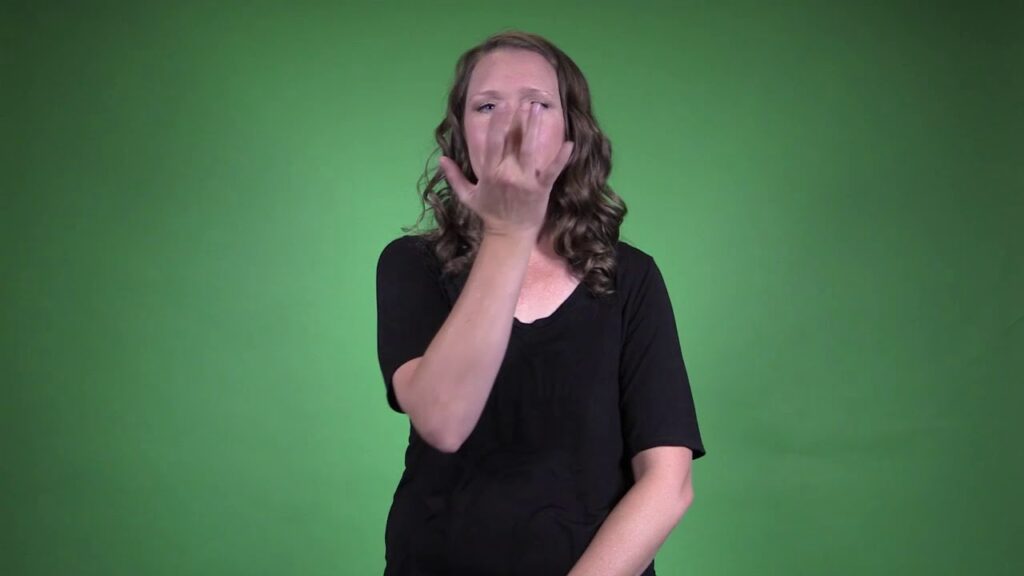
The sign “Contact” refers to the act of reaching out or establishing a connection with someone or something. It is commonly used in social contexts, such as when discussing how to get in touch with a person or when emphasizing the importance of effective communication. Understanding how to use this sign can enhance interactions within the Deaf community and foster better connections.
[VIDEO_PLACEHOLDER]
Table of Contents
Forming the sign
- Handshape: The dominant hand forms a flat “B” handshape, with fingers extended and together.
- Location: The dominant hand is positioned near the chest or upper body, indicating a personal space for the signer.
- Movement: The signer moves the dominant hand forward slightly, as if reaching out to make contact with an imaginary person or object.
- Non-manual signals: Maintain an engaged facial expression, which can vary depending on the context—serious when discussing important matters, or light-hearted for casual conversations.
The sign is straightforward yet powerful, as it visually conveys the idea of reaching out or connecting with another person or concept. It can be used in various contexts, from informal conversations with friends to more formal situations where establishing contact is essential.
Using “Contact” in sentences
Here are a few examples of how to incorporate “Contact” into everyday conversation:
- “I will Contact her later to discuss the project.”
- “Do you have a way to Contact him if I’m not available?”
- “It’s vital to Contact the office if you have any concerns.”
As you practice using “Contact,” consider the context and tone of your conversation. This sign can adapt to both formal and informal settings, making it versatile in your signing vocabulary.
Signs related to “Contact”
Several signs can complement or relate to “Contact” in various contexts:
- Communication: The act of sharing information.
- Message: Sending or receiving information through written or signed means.
- Reach: The physical action of extending your hand or body towards something.
- Call: Making a phone call or reaching out to someone.
Regional variations
The sign “Contact” may have slight variations depending on the region or community within the Deaf culture. For instance, in some areas, the movement of the hand may be more exaggerated or less pronounced. It’s always beneficial to observe and adapt to the signs used by members of the local Deaf community to promote mutual understanding and respect.
FAQ
What does the sign “Contact” specifically refer to?
The sign “Contact” generally refers to reaching out or establishing a connection with someone, whether through communication or physical interaction.
Can “Contact” be used in both formal and informal contexts?
Yes, “Contact” can be adapted for both settings. When used formally, it may convey the importance of communication, while in informal settings, it can suggest casual conversation.
Are there different ways to express “Contact” in different scenarios?
Yes, depending on the context, the movement and facial expression associated with “Contact” might change. For example, a serious expression may be used in formal situations, while a smile may accompany informal uses.
What should I be aware of when using “Contact”?
Be mindful of the context and your non-manual signals, as they enhance the meaning of the sign and can convey different emotions or intentions.
How can I improve my signing skills for “Contact”?
Practice regularly with friends or in Deaf community settings. Watching videos of native signers can also help you understand the nuances of the sign in various contexts.
Practice ASL Signs
Use your camera to practice signs and get real-time AI feedback on your technique.
Free · No signup required