
Reach in Sign Language (ASL)
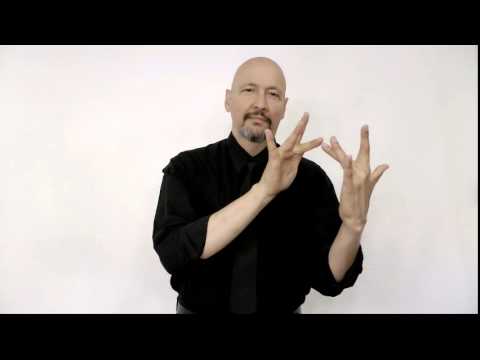
The sign “Reach” in ASL denotes the action of extending your arm or hand toward something, often to grab or touch an object that is further away. This sign can be used in various contexts, such as reaching for an item on a shelf or indicating a desire to attain something. Its versatility makes it a fundamental action that can be easily integrated into everyday conversations.
[VIDEO_PLACEHOLDER]
Table of Contents
Forming the sign
- Handshape: Use a flat hand, with fingers together and the palm facing forward.
- Location: Begin the sign near your body, at about waist height.
- Movement: Move your hand outward, extending your arm as if you are reaching for something in front of you. The movement should be smooth and deliberate.
- Non-manual signals: Raise your eyebrows slightly as you perform the sign to indicate an action or request.
The overall effect of the sign “Reach” is one of intention and purpose. The extension of the arm symbolizes the desire to obtain or interact with something beyond immediate grasp. Practicing the fluidity of the movement will enhance clarity when communicating this action in conversation.
Showing tense, aspect & repetition
In ASL, verbs can be modified to express different tenses and aspects. For the sign “Reach,” you can indicate the past, present, or future by altering your hand movements slightly:
- Present tense: Perform the sign normally, moving your hand forward smoothly.
- Past tense: Start from the location of the object and move your hand back toward your body, indicating that the reaching action has already occurred.
- Future tense: Start with a clenched fist at your side, then extend it outward as you would for the present tense, suggesting you plan to reach in the future.
Repetition can emphasize the action. To signify that you are repeatedly reaching for something, you can perform the sign multiple times in succession or incorporate a bouncing movement as your hand moves forward. This adds emphasis and urgency to your expression.
“Reach” in everyday signing
This sign is commonly used in numerous situations. Here are a few examples:
- When asking someone to pass you an object: “Can you reach that book for me?”
- In conversations about goals: “I want to reach my full potential.”
- During a discussion about physical activity: “I like to reach for new heights in my training.”
In each context, “Reach” conveys the action of extending oneself, whether physically or metaphorically. Being aware of these applications helps reinforce your signing skills in both casual and formal discussions.
Mistakes to avoid
One common mistake when signing “Reach” is using too much force. The sign should appear smooth and intentional rather than rushed or aggressive. Additionally, ensure that your facial expressions match the context of your signing. A confused or neutral face can create misunderstandings about the intent behind your movements.
Another mistake is neglecting the importance of space and location. Maintain adequate distance between your starting point and the object you are reaching for, as this helps convey the action more clearly. Lastly, be mindful of the direction your palm faces during the sign; it should always be oriented toward the object you intend to reach.
Common confusion with a similar sign
Many learners confuse “Reach” with “Give,” as both involve hand movements. However, “Give” typically involves an outward gesture where you extend your arm forward from your body, palm up, indicating that you are presenting something to someone else. In contrast, “Reach” emphasizes the action of extending your hand toward an object, without necessarily involving another person. Being aware of these subtle differences can enhance the accuracy of your signing.
FAQ
What handshape should I use for “Reach”?
Use a flat hand with fingers pressed together and the palm facing forward.
Can “Reach” be used to express emotional or metaphorical concepts?
Yes, “Reach” can express desires or ambitions, such as wanting to “reach” for your dreams or goals.
Is there a different sign for “Reach” in various regions?
While the sign is generally recognized in ASL, regional variations may exist, so it’s beneficial to learn from local Deaf communities.
How can I make my “Reach” sign more expressive?
Incorporate facial expressions that match the context, and consider adjusting your movement speed to emphasize urgency or importance.
Practice ASL Signs
Use your camera to practice signs and get real-time AI feedback on your technique.
Free · No signup required