
Concerned in Sign Language (ASL)
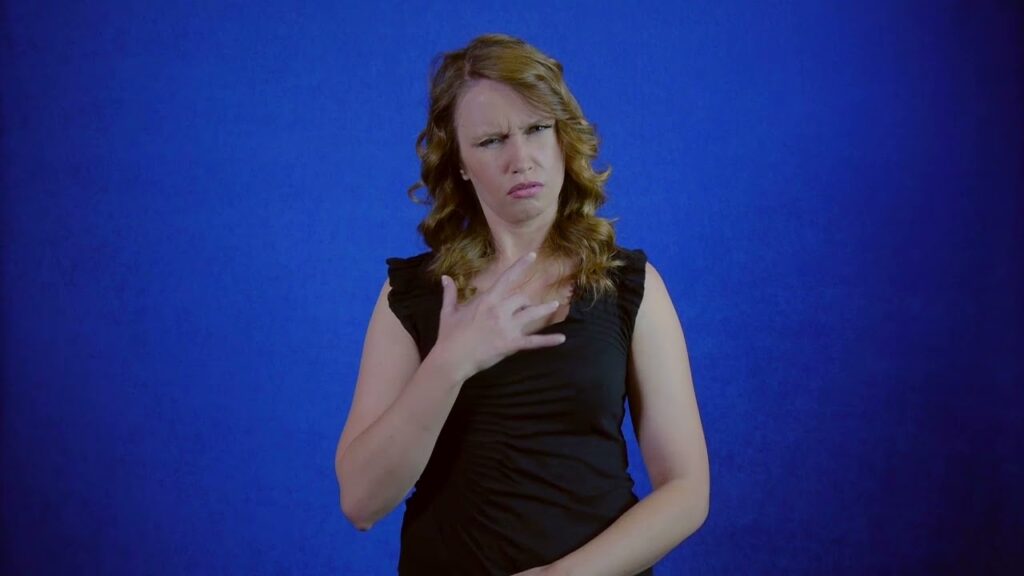
The sign for “concerned” expresses feelings of worry or unease about something. It’s commonly used in conversations when discussing issues that are troubling or when expressing empathy towards someone’s situation. This sign helps convey emotional depth and connection in a conversation.
Last reviewed: March 15, 2026
Table of Contents
Sign at a Glance
| Type | Verb |
| Sign Type | Symmetricaloralternating |
| Location | Body |
| Handshape | open_8 |
| Movement | Straight |
| Iconicity | Arbitrary (2.813/7) — Arbitrary |
| Frequency | Common (5.259/7) |
| ASL Signbank | View sign video → |
Data: ASL-LEX 2.0 · ASL Signbank (Caselli et al., 2017)
How to Sign “Concerned”
- Start with your dominant hand in an open “8” handshape, similar to a flat “O” but with your fingers extended and slightly apart.
- Position your hand near your chest, with your palm facing inward towards your body.
- Move your hand straight out away from your chest, while keeping your fingers extended and together.
- As you make this movement, display a facial expression that reflects concern, such as furrowing your brow or widening your eyes slightly.
Common Mistakes
- Some learners may forget to incorporate facial expressions, which are crucial in conveying emotions in ASL.
- Using a closed handshape instead of the open “8” can lead to misunderstandings, as it changes the meaning of the sign.
- Not moving the hand straight out from the body can confuse the sign, making it less clear to the viewer.
Related Signs
- A – The sign for the letter “A”, often used in fingerspelling.
- A Little Bit – A sign expressing a small amount or degree.
- Abbreviate – To shorten a word or phrase, often used in discussions about language.
- 5 Dollars – A sign for a specific monetary amount, useful in financial contexts.
- 9 – The sign for the number nine, commonly used in counting or discussions involving numbers.
Practice ASL Signs
Use your camera to practice signs and get real-time AI feedback on your technique.
Free · No signup required