
Cheer in Sign Language (ASL)
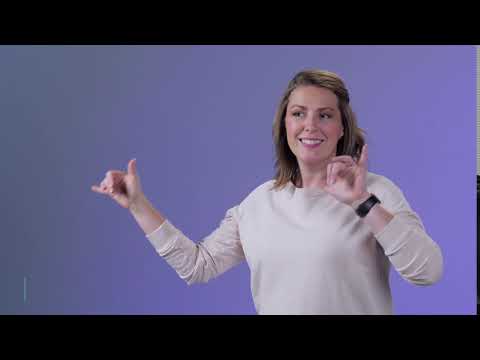
The sign “Cheer” expresses excitement and encouragement, often used in contexts like sports events, performances, or celebrations to show support or joy. It conveys a sense of enthusiasm and motivation, making it an essential term in both social and cultural situations within the Deaf community.
[VIDEO_PLACEHOLDER]
Table of Contents
How to Form the Sign “Cheer”
- Handshape: Start with both hands in a “claw” shape, fingers bent and the thumb extended.
- Location: Position your hands near your chest or just below your chin.
- Movement: Move both hands upward and away from your body in a sweeping motion, as if you are lifting your hands in excitement.
- Non-manual signals: Accompany the sign with a bright facial expression, perhaps smiling or widening your eyes to convey excitement.
The movement of the hands is crucial, as it mimics the natural gesture of cheering someone on. Practicing with a partner can help you get the timing and expression just right, enhancing the overall message of encouragement.
Using “Cheer” in Everyday Signing
In casual conversations, “Cheer” can be incorporated in various ways. For example, you might say, “I cheer for my friend during the game,” by using the sign alongside other relevant signs like “friend” and “game.” This helps to create a vivid picture of the scenario for the person you are communicating with.
Additionally, you can use “Cheer” to express support in different contexts, such as celebrating achievements or encouraging someone who is feeling down. The versatility of this sign makes it a valuable addition to your ASL vocabulary.
Signs Related to “Cheer”
Here are some signs that are commonly related to “Cheer”:
- Support – A sign that conveys standing by someone or offering help.
- Encourage – To inspire someone to take action or feel confident.
- Happy – A sign to express joy, which often accompanies cheerfulness.
- Celebrate – To mark a special event or achievement, closely associated with cheering.
Common Mistakes to Avoid When Signing “Cheer”
One common mistake is performing the sign too quickly, which can decrease its impact. It’s important to exhibit enthusiasm, so try to maintain a steady, expressive movement. Another mistake is using a flat facial expression, which may convey indifference rather than excitement. Always remember that facial expressions play a vital role in ASL, complementing the signs you make.
Another issue is misplacing the hands during the sign; ensure that the hands start in the correct location near your chest. Practicing in front of a mirror can help you refine both your hand positioning and facial expressions.
Deaf Cultural Note
In Deaf culture, cheering isn’t just restricted to sports; it extends to social gatherings, performances, and community events. Cheering can also be a form of celebrating achievements within the Deaf community, such as graduations or recognition of contributions. Understanding the broader context of “Cheer” can enhance your interactions and help you connect more deeply with Deaf culture.
Frequently Asked Questions
What is the difference between “Cheer” and “Encourage”?
While both signs express support, “Cheer” is often more energetic and celebratory, typically used in festive contexts, whereas “Encourage” conveys more sustained support in a broader sense, often during challenging situations.
Can “Cheer” be used in a non-sport context?
Absolutely! “Cheer” can be used in various settings, such as congratulating someone, celebrating achievements, or encouraging friends in any situation where support is shown.
Is there a specific context for using facial expressions with “Cheer”?
Yes, facial expressions should reflect enthusiasm and joy. A bright smile or an excited look will enhance the meaning of the sign and create a more engaging interaction.
Can I use “Cheer” to express sadness or disappointment?
No, “Cheer” is specifically associated with positive emotions and encouragement. For expressing sadness or disappointment, you would use different signs that reflect those feelings.
Practice ASL Signs
Use your camera to practice signs and get real-time AI feedback on your technique.
Free · No signup required