
Busy in Sign Language (ASL)
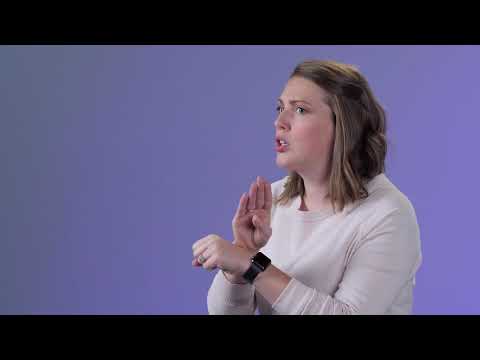
The sign “Busy” is an adjective used to describe a state of being occupied or engaged in activities, whether it’s work, social commitments, or general busyness in life. It conveys a sense of urgency or full schedules, often needing to communicate that one cannot take on more tasks at the moment. Understanding this sign is essential for effective communication in various contexts, especially when discussing daily routines or commitments.
[VIDEO_PLACEHOLDER]
Table of Contents
How to Form the Sign “Busy”
- Handshape: Use the dominant hand in a flat “B” shape.
- Location: Position the hand in front of your chest, about shoulder height.
- Movement: Move the “B” handshape in a slight outward circle, away from the body.
- Non-manual signals: Raise your eyebrows slightly to add emphasis or indicate a question.
The sign begins with a flat handshape representing the letter “B.” Position your dominant hand in front of your body at chest level. The movement involves making a small circular motion, which adds a dynamic quality to the sign and visually emphasizes the state of being busy. Non-manual signals, such as facial expressions, can enhance the meaning, allowing you to convey urgency or annoyance if needed.
Using “Busy” in Everyday Sentences
“Busy” can be used in various contexts to describe oneself or others. For example, you might sign, “I am busy,” to indicate that you cannot chat right now. Alternatively, you could say, “She is busy with work,” to explain someone else’s situation. The use of this sign is versatile, fitting into casual conversations, professional settings, or every day interactions.
Signs Related to “Busy”
To better understand the context and nuances of “Busy,” it’s helpful to explore related signs:
- Occupied – A sign representing being engaged in an activity.
- Free – The opposite of busy, indicating availability.
- Work – Often used in conjunction with busy, to specify the nature of being busy.
- Later – A sign that may be used when someone is busy now but can talk later.
- Stressed – Sometimes, being busy can lead to stress, which is another important sign in related discussions.
Common Confusion with Similar Signs
Learners often confuse “Busy” with signs such as “Full” or “Crowded.” While “Busy” refers to being occupied with activities, “Full” generally pertains to a physical space being occupied, and “Crowded” indicates a high density of people or items in a space. Understanding the context and the accompanying facial expressions is key to distinguishing these signs.
Frequently Asked Questions about “Busy”
What is the main context for using “Busy”?
“Busy” is primarily used to describe someone who is occupied or engaged in tasks, making it a common sign in various everyday conversations.
Can “Busy” be used for both work and social activities?
Yes, “Busy” is versatile and can apply to both professional and personal contexts, indicating any form of engagement that takes up time.
How can I emphasize “Busy” when signing?
You can emphasize “Busy” by using stronger non-manual signals, such as frowning or raising your eyebrows to show urgency or stress.
Is “Busy” used differently in various regions?
While the sign is generally consistent, slight variations may exist in regional uses or accompanying facial expressions. Observing local signers can help clarify these nuances.
What should I avoid when using “Busy”?
Avoid making the sign too quickly or without proper facial expression, as this can make the meaning unclear or seem insincere.
Practice ASL Signs
Use your camera to practice signs and get real-time AI feedback on your technique.
Free · No signup required