
Rabbit Island (Māori: moturoa) in New Zealand Sign Language (NZSL)
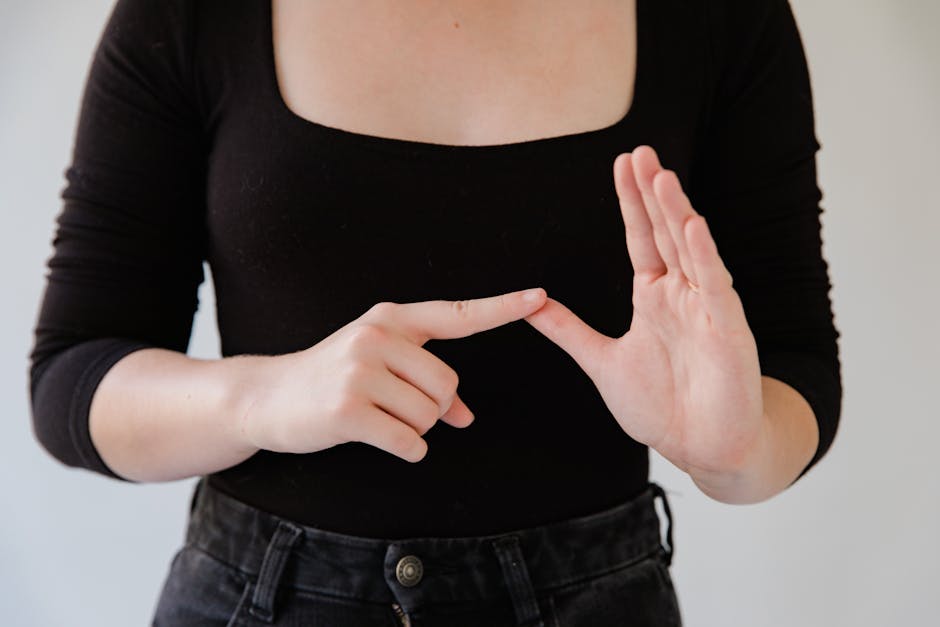
The sign for “Rabbit Island” (moturoa) refers to a specific island in New Zealand known for its natural beauty and wildlife. Commonly used in conversations about travel, nature, or local geography, this sign connects to the rich cultural heritage of New Zealand, specifically within the context of the Deaf community. The sign reflects both the unique aspects of NZSL and the influence of te reo Māori.
Table of Contents
How to Sign “Rabbit Islandmoturoanoun” in NZSL
- Start with your dominant hand in a “flat hand” shape (palm down). This represents the island.
- Position your hand slightly above the non-dominant hand, which should also be in a flat hand shape but resting on a flat surface, mimicking the shape of the island.
- Gently move your dominant hand in a circular motion, while maintaining the flat hand shape to represent the contours of the island.
- Use facial expressions to convey excitement or interest, as this adds context to the sign.
Common Mistakes
- Using a clenched fist instead of a flat hand, which can change the meaning of the sign.
- Not incorporating facial expressions, leading to a less engaging sign.
- Failing to demonstrate the movement of the island, which is essential for clarity.
NZSL vs ASL
In NZSL, the sign for “Rabbit Island” is distinct and incorporates local geographical elements, whereas in ASL, the sign may not have a direct equivalent and could rely more on fingerspelling or descriptive signs. This highlights the unique cultural and linguistic aspects of NZSL.
Related Signs
- (Be) Careful – Sign to express caution.
- (Baby’s) Dummy – Refers to a pacifier.
- (Be) Born, (Give) Birth – Related to family and life events.
- (Be) Passive – Expresses a state of being.
Frequently Asked Questions
How can I use “Rabbit Island” in a sentence?
You can say, “I want to visit Rabbit Island” by signing the subject first, followed by the action and the sign for Rabbit Island.
Are there regional variations for this sign in New Zealand?
While the sign is generally consistent, some regions may have slight variations in movement or handshape, so it’s good to check with local Deaf community members.
What are some similar signs to “Rabbit Island”?
Other signs related to nature or geography may include locations like “Wellington” or “Mount Cook.”
Any tips for learning this sign effectively?
Practice in front of a mirror or with a Deaf friend to get feedback on your handshape and movement.
Is there a cultural significance to Rabbit Island?
Yes, Rabbit Island has historical and ecological importance, which is often highlighted in discussions within the Deaf community.
How can I improve my NZSL skills?
Join local NZSL classes, participate in community events, and engage with the Deaf community to enhance your skills.
Practice This Sign
Try signing Rabbit Islandmoturoanoun with your camera and get AI coaching on your handshape, movement, and location.
Free · No signup required