
Personclient, Individualtangatanoun in New Zealand Sign Language (NZSL)
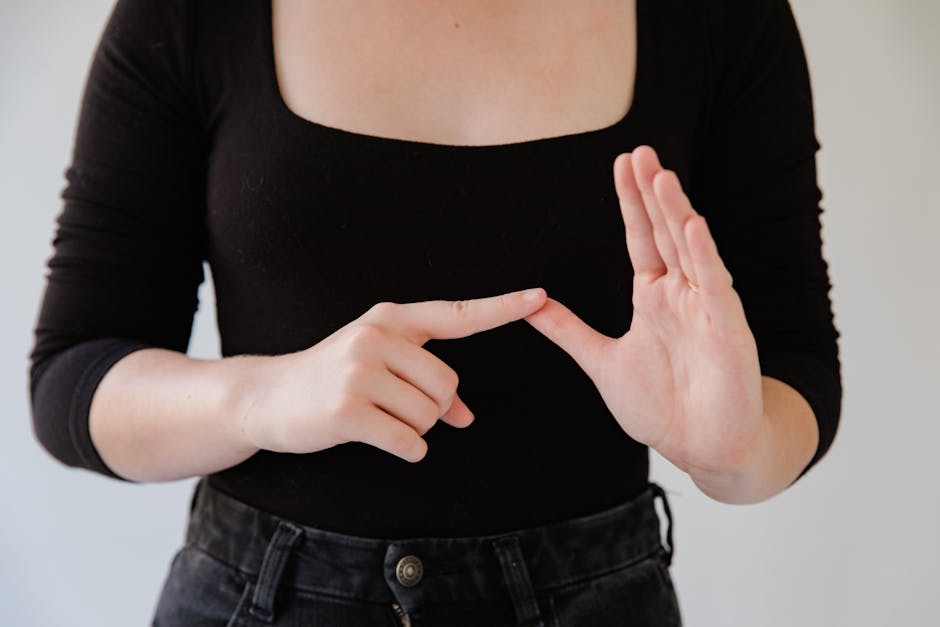
The sign “personclient, individualtangatanoun” in NZSL refers to a single individual or client, often used in contexts such as social services, healthcare, or any scenario where one person is being discussed or referred to. This sign emphasizes the importance of recognizing individuals within the community, especially in settings that require personalized attention or care.
Table of Contents
How to Sign “Personclient, Individualtangatanoun” in NZSL
- Start with your dominant hand in a flat handshape (palm facing down).
- Position your hand near your chest, about shoulder height.
- Move your hand slightly forward and then back to your chest, keeping it flat throughout the motion.
- Maintain a neutral or friendly facial expression, as this adds context to the sign.
Common Mistakes
- Using a fist instead of a flat handshape, which can change the meaning.
- Not maintaining facial expressions, as they are crucial for conveying the right context.
- Performing the sign with excessive movement, which can make it unclear.
NZSL vs ASL
In NZSL, the sign for “personclient, individualtangatanoun” typically uses a flat handshape and a specific movement that conveys individuality. In contrast, ASL may use different hand shapes or movements to convey similar ideas, reflecting the unique characteristics of each sign language. The influence of British Sign Language (BSL) can also be seen in the structure and formation of some signs in NZSL.
Related Signs
- (All Of) You – Refers to multiple individuals.
- (Baby’s) Dummy – A sign used in childcare contexts.
- (Be) Born, (Give) Birth – Relates to the beginning of life.
Using “Personclient, Individualtangatanoun” in Everyday Conversations
The sign “Personclient, Individualtangatanoun” is often used in various everyday conversations, particularly when discussing individuals in a personal or professional context. Here are a few examples:
- Example 1: “I met a personclient yesterday at the community centre.” (NZSL: “YESTERDAY COMMUNITY CENTRE MEET PERSONCLIENT.”)
- Example 2: “That individualtangata is very talented.” (NZSL: “THAT INDIVIDUALTANGATA VERY TALENTED.”)
- Example 3: “The personclient I spoke to was very helpful.” (NZSL: “I SPEAK PERSONCLIENT HELPFUL.”)
These sentences illustrate how the sign can seamlessly fit into discussions about people, be it in social interactions or professional settings, highlighting its versatility.
Cultural Notes
The sign “Personclient, Individualtangatanoun” reflects the importance of identity within the New Zealand Deaf community. Since NZSL was recognized as an official language of New Zealand in 2006, the use of this sign highlights the community’s emphasis on individual identity and representation. Additionally, the connections between NZSL and te reo Māori can be seen in the cultural respect for individuals, as both languages value personhood and community.
It’s also worth noting that regional variations may exist in the way this sign is used or understood across different areas of New Zealand. Engaging with local Deaf communities can enrich understanding and appreciation for these nuances.
Tips for Learning This Sign
Practicing the sign “Personclient, Individualtangatanoun” can be enjoyable and effective with these tips:
- Mirror Practice: Stand in front of a mirror while signing. This will help you observe your hand shapes and movements, ensuring they match the correct formation.
- Watch for Facial Expressions: Remember that facial expressions carry meaning in NZSL. Practice incorporating appropriate expressions to convey emotions related to the sign.
- Use in Short Signed Sentences: Create simple sentences that include the sign, and practice them regularly. This will help reinforce its meaning and usage in context.
Consistency and practice will help solidify your understanding and use of this sign within everyday conversations.
Frequently Asked Questions
How can I use “personclient, individualtangatanoun” in a sentence?
You can use it in sentences like, “I will meet with the personclient tomorrow” by incorporating facial expressions and body language for clarity.
Are there regional variations for this sign in New Zealand?
While the sign is generally consistent, some regions may have slight variations in movement or emphasis. It’s good to check with local Deaf communities for specifics.
What are some similar signs to “personclient, individualtangatanoun”?
Related signs include “you” and “client,” which focus on addressing or referring to people in different contexts.
What tips do you have for learning this sign?
Practice in front of a mirror to ensure your handshape and movement are correct, and observe native signers for context and expression.
Practice This Sign
Try signing Personclient, Individualtangatanoun with your camera and get AI coaching on your handshape, movement, and location.
Free · No signup required