
Nephew / Niece in New Zealand Sign Language (NZSL)
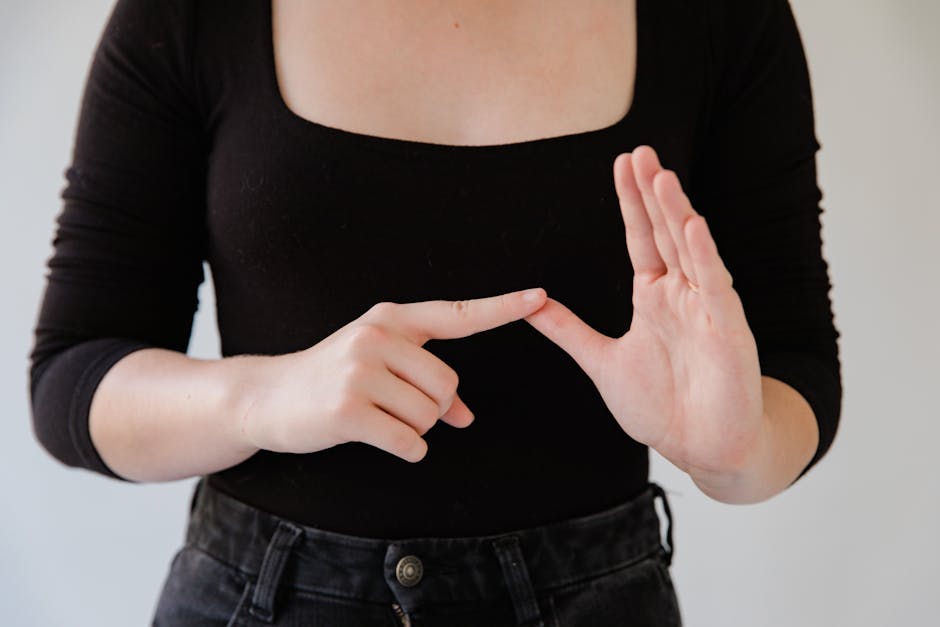
The sign for “nephew / niece, sonirāmutu, tamanoun” is an important part of family vocabulary in NZSL. It is commonly used within the Deaf community to refer to the children of one’s siblings. Understanding this sign fosters connections within families and highlights the significance of relationships in Deaf culture.
Table of Contents
How to Sign “Nephew / Niece, SonirāMutu, Tamanoun” in NZSL
- Start with your dominant hand in a “B” handshape (fingers extended and together, palm facing down).
- Position your hand near your forehead, with your thumb resting against your temple.
- Move your hand outward and slightly forward away from your head while keeping the “B” handshape.
- As you perform the movement, maintain a friendly facial expression to convey warmth and connection.
Common Mistakes
- Forgetting to use a facial expression, which can make the sign feel less personal.
- Using the wrong handshape; some may mistakenly use an “A” or “C” handshape instead of “B”.
- Not moving the hand far enough away from the head, which can lead to confusion with other signs.
NZSL vs ASL
In NZSL, the sign for “nephew/niece” involves a specific handshape and movement from the forehead, while in ASL, the sign may differ in handshape and placement. Understanding these differences helps in recognizing the unique elements of NZSL as a distinct language.
Related Signs
- (Be) Born, (Give) Birth – Signifying the birth of a child.
- (Baby’s) Dummy – Referring to a baby’s pacifier.
- (Be) Careful – A sign for caution and mindfulness.
Using “Nephew / Niece, Sonirāmutu, Tamanoun” in Everyday Conversations
In everyday conversations, using the sign for “Nephew / Niece, Sonirāmutu, Tamanoun” can help convey family relationships clearly and effectively. Here are a few example sentences where this sign naturally fits:
- “My nephew is coming to visit this weekend.” (SIGN: MY NEPHEW VISIT WEEKEND)
- “Do you know my niece? She is very talented.” (SIGN: YOU KNOW MY NIECE? SHE VERY TALENTED)
- “I have two nephews and one niece.” (SIGN: I HAVE TWO NEPHEWS ONE NIECE)
These examples show how the sign can be used in family discussions, conversations about events, or when introducing family members to others. They highlight the importance of family in Deaf culture and social interactions.
Cultural Notes
In the New Zealand Deaf community, family relationships are often a central topic of conversation, reflecting the importance of kinship and support among Deaf individuals. The sign for “Nephew / Niece, Sonirāmutu, Tamanoun” carries significant meaning, as it not only identifies a family member but also emphasizes the connections between generations. Since NZSL was recognized as an official language of New Zealand in 2006, it has gained increased visibility and respect, further solidifying these familial ties.
Moreover, NZSL is influenced by te reo Māori, the indigenous language of New Zealand, which enriches its vocabulary and cultural nuances. Understanding these connections can enhance appreciation for signs like “Nephew / Niece,” as they embody a blend of cultural heritage and community values.
Tips for Learning This Sign
Practicing the sign for “Nephew / Niece, Sonirāmutu, Tamanoun” can be enjoyable and engaging. Here are some effective ways to master this sign:
- Mirror Practice: Stand in front of a mirror while signing. This allows you to see your hand movements and facial expressions, ensuring they match the sign’s meaning.
- Facial Expressions: Pay attention to your facial expressions while signing. They add context and emotion, enhancing the communication of your message.
- Use in Sentences: Create short signed sentences that incorporate the sign. This can help reinforce your understanding and memory of how to use it in conversation.
Regular practice and incorporating the sign into your daily conversations will make it easier to remember and use confidently.
Frequently Asked Questions
How can I use this sign in a sentence?
You can say, “My nephew is visiting,” by signing “My nephew” followed by a sign indicating “visit”.
Are there regional variations for this sign in NZ?
While the basic sign remains consistent across New Zealand, some regions may have slight variations in the movement or facial expressions used.
What are similar signs to learn?
Similar family signs include “brother” and “sister”, which help expand your family vocabulary.
How can I practice this sign?
Practice in front of a mirror or with a friend who understands NZSL to receive feedback and improve.
Is there a cultural significance to this sign?
Yes, family connections are highly valued in Deaf culture, making this sign essential for communication about family.
Practice This Sign
Try signing Nephew / Niece, SonirāMutu, Tamanoun with your camera and get AI coaching on your handshape, movement, and location.
Free · No signup required