
Broccoli in New Zealand Sign Language (NZSL)
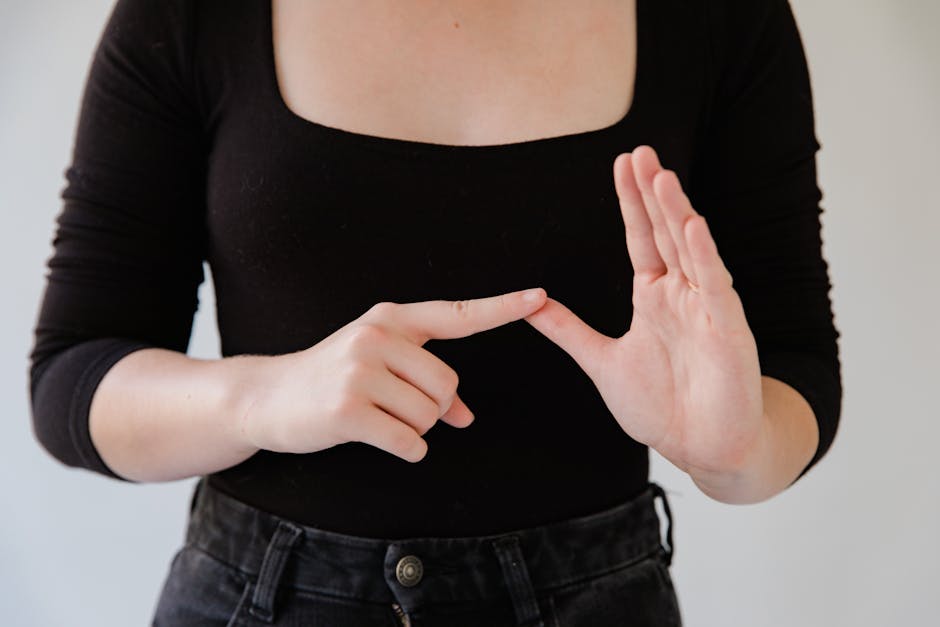
The sign for “broccolicauliflowerporokari” in NZSL represents a combination of the words for broccoli and cauliflower, used to describe these vegetables in a fun and expressive way. This sign is commonly used in cooking contexts, grocery shopping conversations, or when discussing healthy eating habits within the NZ Deaf community.
Table of Contents
How to Sign “Broccolicauliflowerporokarinoun” in NZSL
- Start with both hands in a ‘B‘ handshape (fingers together, thumb extended).
- Position your dominant hand in front of your face, palm facing outwards.
- Move your dominant hand in a circular motion, mimicking the shape of a broccoli crown.
- Next, switch to a ‘C’ handshape with your dominant hand.
- Place your ‘C’ handshape near your non-dominant hand, which remains in the ‘B‘ shape, and move it slightly upwards, like forming the shape of a cauliflower.
- Maintain a cheerful facial expression throughout the sign to convey the positivity associated with healthy food.
Common Mistakes
- Forgetting to use the correct handshapes can lead to confusion; ensure you use ‘B‘ and ‘C’ shapes accurately.
- Not incorporating facial expressions can make the sign seem flat; remember to smile and express enthusiasm.
- Using too much movement can confuse the sign; keep your motions clear and defined.
NZSL vs ASL
In NZSL, the sign for “broccolicauliflowerporokarinoun” combines elements of both vegetables, while in ASL, the signs for broccoli and cauliflower are distinct and separate. The NZSL sign is more fluid and emphasizes the combination, reflecting NZSL’s unique characteristics and influences.
Related Signs
- (Baby’S) Dummy
- (Be) Born, (Give) Birth
- (Be) Careful
- (All Of) You
- (All Of) Youyou Allkoutou (Katoa)Pronoun
Frequently Asked Questions
How can I use “broccolicauliflowerporokarinoun” in a sentence?
You can say, “I like to eat broccolicauliflowerporokarinoun for dinner” by incorporating the sign for “like” and “eat” before the sign.
Are there regional variations in how this sign is used across New Zealand?
While the sign is generally consistent, some regions may have slight variations in hand movements or facial expressions. Observing local users can be helpful.
Are there similar signs for other vegetables?
Yes, there are distinct signs for other vegetables like carrots and potatoes. Learning them can help expand your vocabulary in NZSL.
What are some tips for learning this sign?
Practice in front of a mirror to ensure your handshapes and facial expressions are correct. Watching video demonstrations can also be beneficial.
Can I use the sign in a cooking class?
Absolutely! Using “broccolicauliflowerporokarinoun” in a cooking class context can enhance communication and make discussions about ingredients more engaging.
Is this sign commonly used in everyday conversation?
Yes, this sign is quite popular, especially among those who enjoy cooking or discussing vegetables and healthy eating.
Practice This Sign
Try signing Broccolicauliflowerporokarinoun with your camera and get AI coaching on your handshape, movement, and location.
Free · No signup required