
Altar in New Zealand Sign Language (NZSL)

The sign for “altar” in NZSL refers to a raised platform used in religious ceremonies, often seen in churches or during significant rituals. It is commonly used in contexts related to spirituality, worship, or cultural ceremonies within the Deaf community, especially during discussions about faith or traditional practices.
Table of Contents
How to Sign “Altar” in NZSL
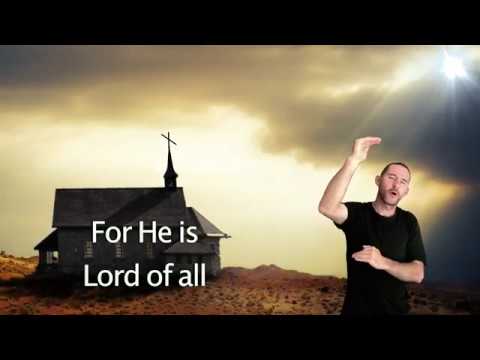
- Start with both hands in a flat palm position (like a “B” handshape) facing downwards.
- Position your hands a few inches apart, about waist height.
- Move both hands upwards together, as if lifting the flat surface of the altar.
- Finish by bringing your hands together slightly, forming a shape that represents the altar’s top.
- Maintain a focused expression that reflects the importance of the sign.
Common Mistakes
- Using a fist instead of a flat handshape, which can change the meaning.
- Not moving the hands upward enough, making the sign unclear.
- Forgetting to maintain an appropriate facial expression, which is essential in NZSL.
NZSL vs ASL
In NZSL, the sign for “altar” focuses on the physical representation of the altar with both hands. In contrast, ASL may use a different handshape or movement pattern that doesn’t directly translate. Understanding these differences is crucial for effective communication across sign languages.
Related Signs
- (All Of) You – A sign often used in group settings.
- (Be) Careful – Important in expressing caution during spiritual practices.
- (Be) Born, (Give) Birth – Related to significant life events celebrated at altars.
Frequently Asked Questions
How can I use “altar” in a sentence?
You can say, “We gathered at the altar for the ceremony,” by signing “We” then “gather” followed by “altar” to convey the meaning.
Are there regional variations for this sign in NZ?
While the sign generally remains consistent, some regions may use slight variations in hand movements or facial expressions.
What are some similar signs to “altar”?
Signs like “temple” or “church” are related, as they also pertain to places of worship.
What tips do you have for learning this sign?
Practice in front of a mirror to ensure your hand shapes and movements are accurate, and ask for feedback from someone fluent in NZSL.
Can “altar” be used in different contexts?
Yes, while it primarily refers to religious contexts, it can also relate to cultural ceremonies and significant gatherings.
Is this sign influenced by te reo Māori?
While “altar” itself may not have a direct te reo Māori sign, understanding cultural contexts can enhance its meaning within Māori ceremonies.
Practice This Sign
Try signing Altar with your camera and get AI coaching on your handshape, movement, and location.
Free · No signup required