
Aim, Goal, Objective, Target in New Zealand Sign Language (NZSL)
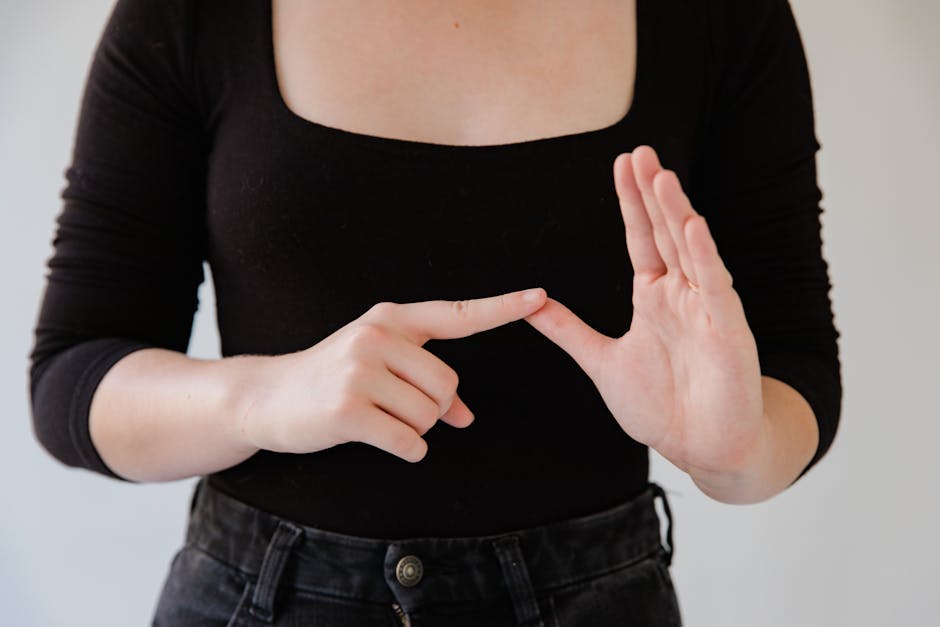
The sign for “aim, goal, objective, target” is used in various contexts within the New Zealand Deaf community. It conveys the idea of setting intentions or objectives in personal, educational, or professional settings. This sign is often seen in discussions related to planning and aspirations.
Table of Contents
How to Sign “Aimgoal, Objective, TargetwhāInganoun; Verb” in NZSL
- Start with both hands in a flat ‘B’ handshape (palms facing down).
- Position your hands slightly apart at chest height.
- Move your hands together slowly, bringing them to a point in front of you, as if indicating a target.
- While moving your hands, ensure your facial expression shows determination or focus, reflecting the intention behind the sign.
Common Mistakes
- Not using the correct handshape, which can lead to confusion with other signs.
- Moving the hands too quickly, losing the emphasis on the goal or target.
- Forgetting to incorporate facial expressions, which are crucial for conveying the meaning in NZSL.
NZSL vs ASL
In NZSL, the sign for “aim” or “goal” focuses on the hand movement towards a target, reflecting intention. In contrast, ASL uses a different sign that may not emphasize the physical aspect of aiming as strongly. Understanding these differences highlights how NZSL incorporates unique elements influenced by its cultural context.
Related Signs
- (All Of) You – A sign referring to a group of people.
- (Baby’S) Dummy – A common term for a baby pacifier.
- (Be) Careful – A sign expressing caution.
Frequently Asked Questions
How can I use this sign in a sentence?
You can use it in sentences like “My aim is to learn NZSL this year” by signing the goal and then adding the context.
Are there regional variations for this sign in NZ?
While the sign is generally consistent across New Zealand, some local variations may exist, particularly in more rural communities.
What are some similar signs?
Signs like “plan” and “purpose” may have overlapping meanings and can be used in similar contexts.
What tips do you have for learning this sign?
Practice with a partner or in front of a mirror to ensure correct handshape and movement, paying attention to facial expressions.
Can I use this sign in formal settings?
Yes, this sign is appropriate in both formal and informal conversations, especially when discussing objectives.
Is this sign influenced by te reo Māori?
While the sign itself is unique to NZSL, many signs in NZSL have been inspired by te reo Māori, reflecting the cultural intertwining.
Practice This Sign
Try signing Aimgoal, Objective, TargetwhāInganoun; Verb with your camera and get AI coaching on your handshape, movement, and location.
Free · No signup required