
Vapor in British Sign Language (BSL)
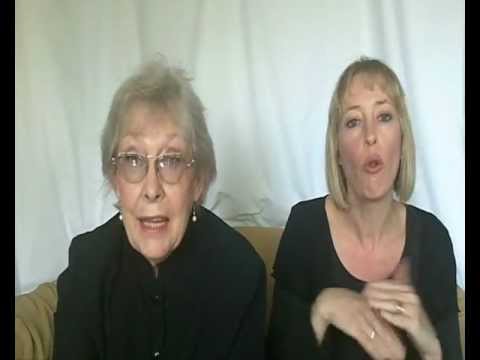
The sign for “vapor” in BSL is used to describe steam, mist, or any gas that is visible in the air. This sign is often used in discussions about weather, cooking, or science, especially when explaining processes that involve heat or moisture. Understanding this sign helps in conversations related to these topics within the UK Deaf community.
How to Sign “Vapor” in BSL
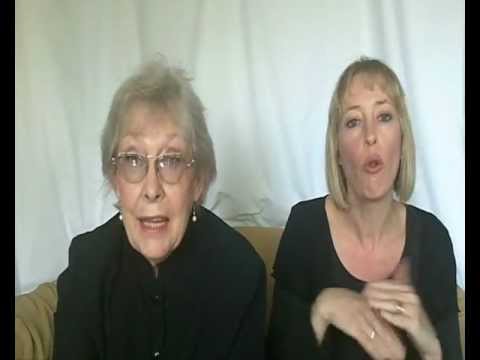
- Start with your dominant hand in a loose ‘C’ shape, palm facing towards you.
- Hold your hand at about chest height, slightly in front of your body.
- Move your hand upwards in a gentle wave-like motion, simulating the rising of vapor.
- As you move your hand, use non-manual features: raise your eyebrows slightly to indicate the action, and maintain a focused expression, as if observing the vapor.
- Finish the sign by relaxing your hand back to your side.
Common Mistakes
- Many learners forget to use the wave-like motion, resulting in a flat gesture that does not convey the idea of rising vapor.
- Some may position their hand too high or low, losing the visual representation of vapor rising.
- Not incorporating the appropriate facial expressions can make the sign less clear to others.
BSL vs ASL
In BSL, the sign for “vapor” emphasizes the motion of rising with a loose hand shape. In contrast, ASL uses a different hand shape and a more direct motion, focusing on the concept of gas rather than the visual representation of vapor. This highlights the unique features and grammar of each signed language.
Related Signs
- Steam – A similar sign that refers specifically to the vapor produced by boiling water.
- Mist – This sign describes a fine spray of liquid, similar to vapor but often used in weather contexts.
- Cloud – Represents the formation in the sky, which can be related to vapor in discussions about weather.
- Fog – A denser form of vapor that significantly reduces visibility.
- Water – Often used in relation to vapor when discussing states of matter.
Frequently Asked Questions
How do I use “vapor” in a BSL sentence?
You can place “vapor” at the start of your sentence to establish the topic. For example, “Vapor rise from the kettle” can be signed as VAPOR (hand motion) KETTLE (sign for kettle).
Are there regional variations for this sign in the UK?
This sign is generally consistent across the UK, though slight variations may occur in different Deaf communities. It’s best to watch local users for specific nuances.
What are some similar signs to “vapor”?
Signs like “steam,” “mist,” and “fog” are related and often used in contexts where vapor is discussed. Each has its own specific sign.
Can you suggest tips for learning this sign?
Practice in front of a mirror to observe your hand shape and movements. Watching native BSL users can also help reinforce your understanding and execution.
Is “vapor” used in scientific discussions?
Yes, “vapor” is often used in scientific contexts, especially when discussing states of matter or processes involving heat and moisture.
What facial expressions should I use?
Use raised eyebrows and a focused expression to convey the action of vapor rising, which helps clarify the sign’s meaning.
Practice This Sign
Try signing Vapor In Bsl with your camera and get AI coaching on your handshape, movement, and location.
Free · No signup required