
Landline in British Sign Language (BSL)

The sign for “landline” in British Sign Language (BSL) refers to a traditional telephone that uses a physical line for communication. This sign is commonly used within the UK Deaf community when discussing different types of telecommunication devices, especially in contrast to mobile phones. It can also come up in conversations about communication preferences and accessibility.
How to Sign “Landline”
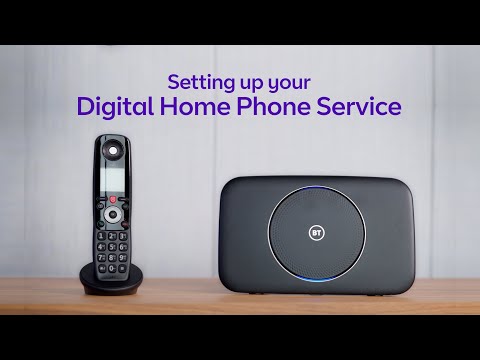
- Start with your dominant hand in a flat ‘B’ handshape (palm facing down). Position it near your ear.
- Move your hand away from your ear, mimicking the action of lifting a receiver from a landline phone.
- As you move your hand, use a facial expression that conveys intention, such as raising your eyebrows slightly.
- Finish the motion by bringing your hand down to a neutral position, indicating the end of the action.
Common Mistakes
- Forgetting to use non-manual features like facial expressions, which can change the meaning of the sign.
- Using the wrong handshape; ensure you use a flat ‘B’ handshape.
- Not maintaining the correct space in front of you, which can confuse the sign with others.
BSL vs ASL
In American Sign Language (ASL), the sign for “landline” may differ significantly from BSL. While BSL uses a flat handshape to represent the action of using a traditional phone, ASL might incorporate different hand movements or shapes to convey the same concept. The cultural context and history of sign languages influence these variations.
Related Signs
- Phone – A general term for any telephone device.
- Mobile Phone – Sign for a cellular device.
- Communication – Refers to the act of sharing information.
- Text Message – Sign for sending messages via mobile devices.
- Voicemail – Refers to recorded messages left on a phone.
Frequently Asked Questions
How can I use “landline” in a BSL sentence?
You might say, “I prefer to use a landline for important calls” by signing “I (index finger) landline (the sign) prefer (sign for prefer) important calls (final sign).” Use the topic-comment structure to clarify your meaning.
Are there regional variations for the sign “landline”?
While the sign is generally consistent across the UK, some regions may have slight variations in handshape or movement. It’s always best to learn from local Deaf community members.
What are some similar signs to “landline”?
Similar signs include “mobile,” “phone,” and “communication,” which all relate to the concept of telecommunication.
What tips do you have for learning this sign?
Practice in front of a mirror to ensure your handshape and facial expressions are correct. Watching videos and engaging with Deaf community members will also enhance your learning.
Can I use the sign “landline” when talking about other communication devices?
Yes, you can use “landline” to discuss communication preferences, especially when contrasting it with mobile phones or other devices.
What is the importance of non-manual features in this sign?
Non-manual features like facial expressions enhance the meaning of your signs, indicating whether you are asking a question or making a statement.
Practice ASL Signs
Use your camera to practice signs and get real-time AI feedback on your technique.
Free · No signup required