
Identify in British Sign Language (BSL)
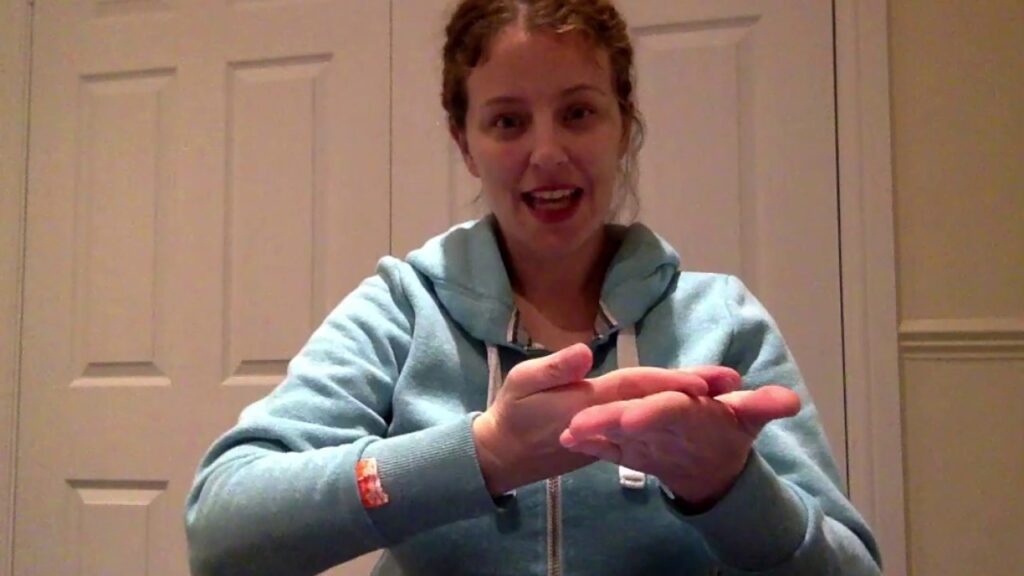
The sign “identify” in BSL is commonly used when discussing how to recognize or label something, whether it’s a person, object, or concept. It plays a vital role in conversations where clarification or specification is needed. This sign is particularly important in educational settings, social interactions, and when engaging in discussions about identity.
How to Sign “Identify” in BSL
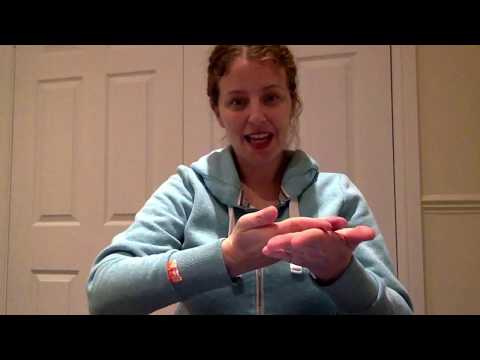
- Start with your dominant hand in a flat ‘B’ handshape (fingers extended together, palm facing down).
- Position your hand at chest level, in front of you.
- Move your hand slightly outward and then back towards your body, as if you are ‘drawing’ the identity of the object or person.
- Throughout the movement, maintain a neutral facial expression, or use a slight nod to indicate affirmation.
- Incorporate eye gaze towards the referent (the person or object you are identifying) to enhance clarity.
Common Mistakes
- Using an incorrect handshape, such as a fist instead of a flat ‘B’ handshape.
- Not using space properly; failing to point or indicate the person/object being identified.
- Neglecting facial expressions, which can lead to misunderstandings of the sign’s intent.
BSL vs ASL
In BSL, “identify” uses a flat handshape and relies heavily on facial expressions and spatial referencing. In contrast, ASL employs a different handshape and movement, often using fingerspelling for specific identifiers. This highlights the distinct grammatical structures and cultural contexts of each sign language.
Related Signs
- 1 – The sign for the number one, often used in counting or identifying quantities.
- 100 – Signifying the number one hundred, useful in numeric discussions.
- 11 – The sign for eleven, another example of a simple numeric sign.
Frequently Asked Questions
How do I use “identify” in a BSL sentence?
You can use “identify” to clarify who or what you are talking about. For example: “I identify (sign) my friend” can be signed by pointing to your friend while signing “identify.”
Are there regional variations for this sign across the UK?
While the sign for “identify” is relatively consistent across the UK, some regions may have slight variations in the execution or additional signs used in context.
What are some similar signs to “identify”?
Signs like “name,” “describe,” and “recognise” share similar contexts and can be useful in related discussions.
Any tips for learning this sign effectively?
Practice in front of a mirror to ensure your handshape and facial expressions align. Watching native signers can also provide helpful context.
Can I use this sign in formal settings?
Yes, “identify” is appropriate for both formal and informal settings, especially in discussions where clarity is key.
What is the importance of facial expressions in this sign?
Facial expressions convey the intent and emotion behind the sign, making the communication more effective and relatable.
Practice ASL Signs
Use your camera to practice signs and get real-time AI feedback on your technique.
Free · No signup required