
Hair Type in British Sign Language (BSL)
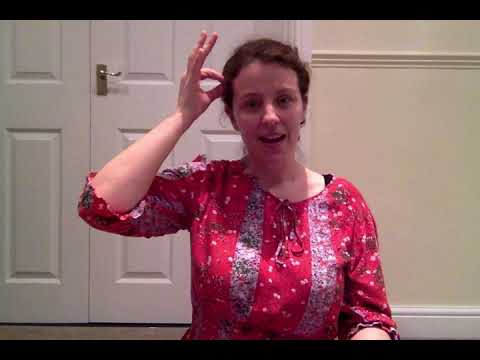
The sign for “hair type” in British Sign Language (BSL) is used to describe different styles, textures, and lengths of hair. This sign is commonly used in conversations about personal grooming, beauty, or when discussing someone’s appearance in the UK Deaf community.
How to Sign “Hair Type” in BSL
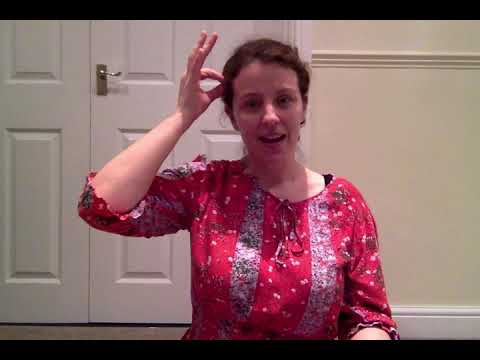
- Start with your dominant hand in a flat handshape, palm facing down.
- Position your hand at the top of your head, where your hair begins.
- Move your hand downwards, following the length of your hair to demonstrate the type or the texture (straight, curly, etc.).
- For additional clarity, you can use your non-dominant hand to show width or volume by placing it beside your dominant hand as you move it.
- Maintain an expressive facial expression that matches the description of the hair type you are conveying.
Common Mistakes
- Using the wrong handshape or position, which can lead to confusion about the hair type being described.
- Forgetting to incorporate non-manual features, like facial expressions, which are vital for conveying the correct meaning.
- Not using space effectively; failing to position your hands correctly can result in unclear communication.
BSL vs ASL
In American Sign Language (ASL), the sign for “hair type” may use different hand shapes and movements compared to BSL. ASL tends to use more iconic signs, while BSL relies heavily on the topic-comment structure and spatial awareness, making it essential to adapt signs to the context and the person being discussed.
Related Signs
- Hair – The general sign for hair.
- Curly – Used to describe curly hair specifically.
- Straight – Used to describe straight hair.
- Short – Indicates short hair length.
- Long – Indicates long hair length.
Frequently Asked Questions
Can I use the sign in a full sentence?
Yes, you can incorporate the sign into sentences. For example, “My hair type is curly” can be signed by first signing “MY” followed by “HAIR TYPE” and then “CURLY.”
Are there regional variations of this sign in the UK?
While the sign is generally consistent, some regions may have slight variations in handshape or movement. It’s good to observe local signs and ask for clarification if needed.
What should I do if I forget the sign?
If you forget the sign, it’s perfectly acceptable to describe it using gestures or by pointing to your own hair, while incorporating facial expressions to convey your meaning.
Are there similar signs for other hair types?
Yes, signs for specific hair types like curly, straight, or wavy can be used in conjunction with the main sign for hair type to provide more detail.
Any tips for learning this sign?
Practice in front of a mirror to ensure your hand shapes and facial expressions are clear. Watching videos of native signers can also enhance your understanding.
How can I improve my BSL skills?
Engage with the Deaf community, attend BSL classes, and practice regularly with friends or online resources. Immersion is key to fluency.
Practice ASL Signs
Use your camera to practice signs and get real-time AI feedback on your technique.
Free · No signup required