
Haber Process in British Sign Language (BSL)
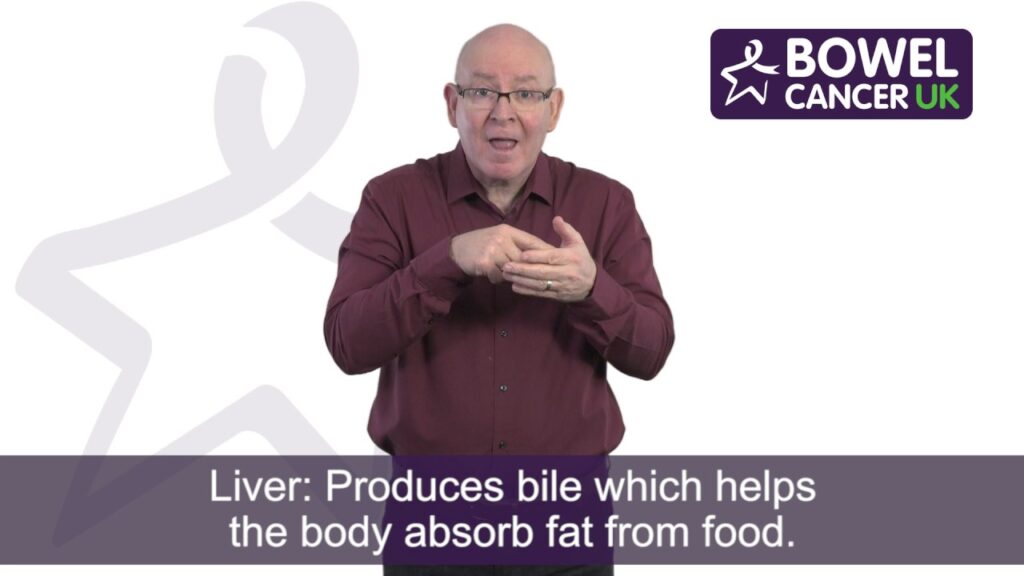
The “haber process” refers to the chemical process used to synthesize ammonia from nitrogen and hydrogen, crucial in agriculture and industry. In the UK Deaf community, this sign is often used in educational contexts, particularly in science classes or discussions related to chemistry.
How to Sign “Haber Process”

- Handshape: Start with both hands in a flat ‘B’ shape (palm facing down).
- Position: Place your hands about shoulder-width apart, at chest height.
- Movement: Move both hands towards each other while slightly curving them downwards, as if bringing elements together.
- Facial Expression: Use a focused expression to indicate the scientific nature of the sign, raising your eyebrows slightly to show engagement.
Common Mistakes
- Some learners may use a fist handshape instead of the flat ‘B’ shape, which can change the meaning.
- Not using enough space when signing can lead to confusion; keeping a clear distance between hands is important.
- Overlooking non-manual features like facial expressions can make the sign less clear in context.
BSL vs ASL
In BSL, the sign for “haber process” is more focused on the hand movements representing the chemical reaction, while in ASL, the sign may use different handshapes and movements to convey the same concept. BSL relies more on facial expressions to indicate the scientific nature of the sign.
Related Signs
- Ammonia – The chemical compound often discussed in relation to the haber process.
- Nitrogen – One of the key elements used in the haber process.
- Hydrogen – The other essential element for synthesizing ammonia.
- Chemical – General term often used in scientific discussions.
- Reaction – A term that can be associated with the processes in chemistry.
Frequently Asked Questions
How can I use “haber process” in a BSL sentence?
You can say, “Haber process important for agriculture,” using the topic-comment structure to establish importance.
Are there regional variations in signing “haber process” across the UK?
While the sign is generally consistent, some regional variations in movement speed or facial expressions may occur.
What are some similar signs to “haber process”?
Signs like “ammonia,” “nitrogen,” and “hydrogen” are related and often used in the same context.
Any tips for learning this sign?
Practice with a partner to ensure clarity and receive feedback on your handshape and movement.
Can I use this sign in casual conversations?
While “haber process” is more technical, it can be used in casual conversations when discussing science or education.
What is the importance of facial expressions in this sign?
Facial expressions help convey the seriousness and scientific context of the sign, enhancing understanding.
Practice ASL Signs
Use your camera to practice signs and get real-time AI feedback on your technique.
Free · No signup required