
Fair in British Sign Language (BSL)
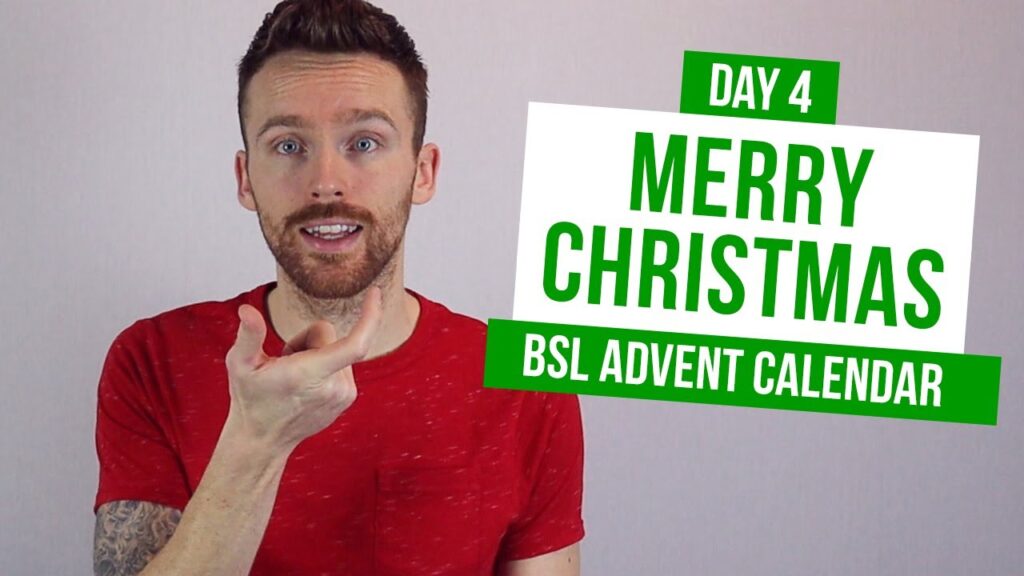
The sign for “fair” in British Sign Language (BSL) conveys the concept of fairness, equity, or just treatment. It’s commonly used in discussions about social justice, agreements, and when expressing opinions about fairness in various contexts. This sign is not only important in everyday conversation but also plays a role in discussions around community values and rights.
How to Sign “Fair” in BSL

- Begin with your dominant hand in a flat handshape (like the letter ‘B’) with fingers extended and together.
- Position your dominant hand in front of your chest at about shoulder height.
- Move your hand forward slightly while keeping the palm facing forward.
- As you make this movement, your facial expression should be neutral to indicate the straightforward concept of fairness.
Common Mistakes
- Confusing this sign with other similar signs, like “just” or “equal” due to similar hand movements.
- Using an incorrect facial expression; maintaining a neutral expression is key to conveying the meaning accurately.
- Failing to use space effectively; ensure your hand movement is clear and distinct to convey the idea of fairness.
BSL vs ASL
In American Sign Language (ASL), the sign for “fair” is different from BSL. In ASL, the sign involves a different handshape and movement, reflecting the unique grammar and structure of ASL. This highlights the importance of understanding the specific sign language you are using, as signs can vary significantly between languages.
Related Signs
- Just – Used to express fairness or equality in a situation.
- Equal – Refers to equality between two or more things.
- Right – Indicates correctness or fairness in a moral sense.
- Equality – A broader term referring to equal treatment.
- Fairness – Related concept emphasizing just treatment.
Frequently Asked Questions
How can I use “fair” in a BSL sentence?
You can use “fair” in a sentence by placing the topic first, followed by the sign. For example, “This situation is fair” would be signed by establishing “this situation” in space before signing “fair.”
Are there regional variations for the sign “fair” in the UK?
While the sign is generally consistent across the UK, some regional variations may exist, especially in areas with strong local Deaf communities. Observing and learning from native signers can help.
What are some signs similar to “fair”?
Signs like “just,” “equal,” and “right” are often used in contexts related to fairness, but each has its distinct meaning and should be used appropriately.
What tips can help me learn this sign?
Practice in front of a mirror to ensure your hand shape and movement are accurate. Watching videos of native signers can also help reinforce the sign’s usage.
Can “fair” be used in different contexts?
Yes, “fair” can be used in various contexts, such as discussing fairness in games, social situations, or moral discussions. The context can affect the facial expressions you use.
Is “fair” used often in Deaf culture?
Yes, discussions about fairness and equity are common in Deaf culture, particularly in advocacy for rights and access to services.
How do I improve my BSL skills overall?
Engaging with the Deaf community, taking classes, and practicing regularly with others will greatly improve your BSL skills, including the sign for “fair.”
Practice ASL Signs
Use your camera to practice signs and get real-time AI feedback on your technique.
Free · No signup required