
Easy Very in British Sign Language (BSL)
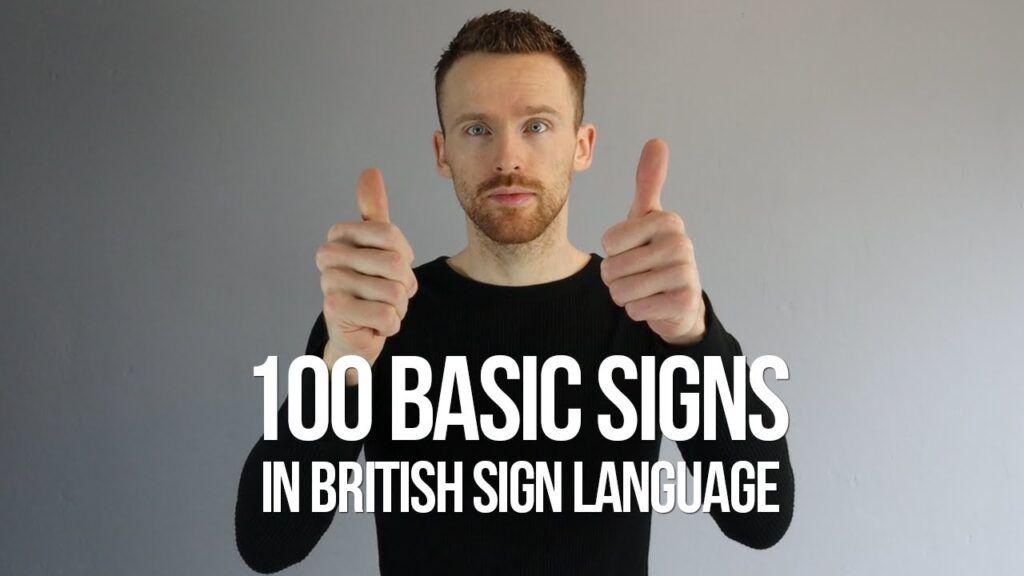
The sign “easy very” in BSL conveys a sense of simplicity or ease. It is often used in educational contexts or when discussing tasks, activities, or concepts that are straightforward. This sign can be particularly useful in conversations about learning or understanding new information.
How to Sign “Easy Very In Bsl”

- Start with your dominant hand in a flat ‘B’ handshape (your fingers together and extended).
- Position your hand near your chest, palm facing down.
- Move your hand slightly forward and downward while maintaining the handshape.
- Simultaneously, raise your eyebrows and maintain an open facial expression to indicate that the action is easy.
- For emphasis, you can repeat the movement or use both hands in a mirrored fashion to reinforce the idea of “very”.
Common Mistakes
- Forgetting to use facial expressions, which are crucial for conveying meaning in BSL.
- Using an incorrect handshape, such as a fist instead of a flat hand.
- Not incorporating the movement effectively, resulting in a lack of clarity in the sign.
BSL vs ASL
In BSL, the sign for “easy very” focuses on a specific hand movement and facial expression. In contrast, ASL often uses different signs or combinations to express similar ideas. Understanding these differences is important for effective communication across different sign languages.
Related Signs
- Easy: A simpler sign indicating something is not difficult.
- Simple: Similar to easy, but may imply less complexity.
- Quick: Indicates that something can be done in a short amount of time.
- Learn: Related to the process of understanding or acquiring knowledge, often used in educational contexts.
- Understand: Used to express comprehension, often following a discussion about difficulty.
Frequently Asked Questions
How can I use “easy very” in a BSL sentence?
You can use it to describe a task, for example: “Math easy very” to indicate that you find math very easy.
Are there regional variations for this sign in the UK?
While the sign for “easy very” is commonly understood, some regional variations may exist in handshape or movement. It’s good to observe local signers.
What are some signs similar to “easy very”?
Signs like “simple” and “learn” can convey similar meanings and may be used interchangeably in certain contexts.
What tips do you have for learning this sign?
Practice in front of a mirror to check your handshape and facial expressions. Watching videos of fluent signers can also help.
Can I use this sign in formal settings?
Yes, “easy very” is appropriate in both casual and formal settings, especially in educational discussions.
What non-manual features should I consider?
Facial expressions are key; remember to raise your eyebrows to emphasize the ease of the task being described.
Practice ASL Signs
Use your camera to practice signs and get real-time AI feedback on your technique.
Free · No signup required