
Early Years in British Sign Language (BSL)

The sign for “British Sign Language Early Years” is used within the UK Deaf community to refer to the education and development of young children who are deaf or hard of hearing. This sign is often used in the context of discussing early childhood education, support services, and resources available to families and educators. It emphasizes the importance of nurturing communication skills from a young age.
How to Sign “Early Years” in BSL
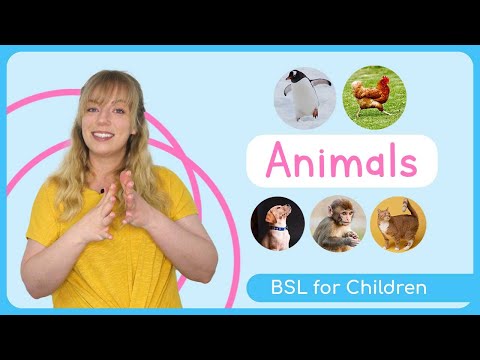
- Start with both hands in a flat “B” shape, with palms facing downwards.
- Position your hands at shoulder height, slightly apart.
- Move both hands outward and slightly downward in a gentle arc, maintaining the “B” handshape.
- While signing, use a facial expression that conveys warmth and encouragement, as this is essential for conveying the topic.
- Finish with your hands in front of you, palms facing each other, to indicate the idea of early years or development.
Common Mistakes
- Forgetting to use the correct handshape; using flat hands instead of “B” hands can confuse the meaning.
- Not incorporating appropriate facial expressions, which are crucial in BSL to convey context.
- Neglecting to use space effectively; signs should be performed in front of the signer’s body for clarity.
BSL vs ASL
In BSL, the sign for “Early Years” incorporates specific handshapes and movements that reflect the developmental focus. In contrast, American Sign Language (ASL) may use different signs or concepts entirely, reflecting the cultural and educational differences between the two communities.
Related Signs
- Education – A sign used to discuss learning and teaching.
- Support – Represents assistance or help, often used in educational contexts.
- Deaf – A sign that identifies individuals within the Deaf community.
- Child – A sign used to refer to young individuals, especially in educational settings.
- Families – A sign that encompasses the concept of family support in a child’s development.
Frequently Asked Questions
How can I use “Early Years” in a BSL sentence?
You can say, “I work in Early Years education” by signing “I” + “WORK” + “EARLY YEARS”.
Are there regional variations for this sign in the UK?
While the sign is generally consistent, some regions may have slight variations in movement or facial expression.
What are some similar signs to “Early Years”?
Related signs include “Education” and “Child,” which can be used in similar contexts.
What tips can help me learn this sign?
Practice in front of a mirror to ensure your facial expressions match the signs you are producing.
What should I do if I’m unsure about the sign?
It’s helpful to ask a member of the Deaf community or consult resources to clarify the sign.
How does this sign fit into BSL grammar?
This sign follows the topic-comment structure, where “Early Years” is the topic, and any additional information follows.
Practice ASL Signs
Use your camera to practice signs and get real-time AI feedback on your technique.
Free · No signup required