
Accept in British Sign Language (BSL)
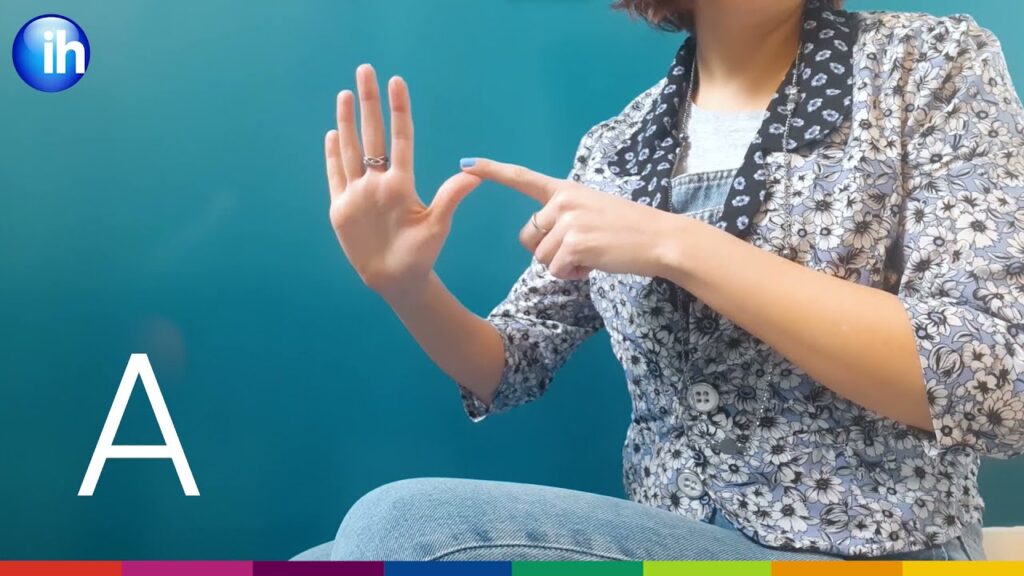
The sign for “accept” in British Sign Language (BSL) conveys a sense of agreement or receiving something willingly. It is commonly used in conversations to express approval, understanding, or acknowledgment in various contexts, such as accepting an invitation, idea, or situation.
How to Sign “Accept”
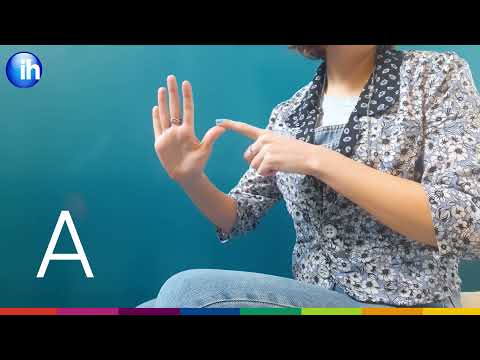
- Hand Shape: Start with your dominant hand in a flat ‘B’ shape, with your fingers extended and together, and your thumb extended out to the side.
- Position: Place your dominant hand in front of your chest, palm facing towards you.
- Movement: Move your hand slightly forward and then bring it back towards your chest, as if pulling something towards you.
- Facial Expression: Use a positive facial expression to convey acceptance, such as a slight smile and relaxed eyebrows.
Common Mistakes
- Using an incorrect hand shape, such as a fist, instead of the flat ‘B’ handshape.
- Not incorporating the appropriate facial expressions, which are essential in BSL for conveying meaning.
- Failing to use space effectively; the movement should be clear and purposeful to indicate acceptance.
BSL vs ASL
In American Sign Language (ASL), the sign for “accept” is different from BSL. ASL often uses a different handshape and movement pattern, making it distinct. While BSL focuses on the action of pulling something towards oneself, ASL may involve a more straightforward sign that indicates acceptance without the same nuanced movement.
Related Signs
- Agree: A sign used to show agreement or concurrence.
- Receive: This sign indicates the act of taking or receiving something.
- Understand: Used to express comprehension of a message or situation.
- Invite: A sign used to convey the act of inviting someone to an event or gathering.
Frequently Asked Questions
How can I use “accept” in a BSL sentence?
You can use “accept” in a sentence by following the topic-comment structure. For example, “I accept your invitation” can be signed as “INVITATION (topic) I ACCEPT (comment)”.
Are there regional variations for the sign “accept”?
While the sign for “accept” is generally consistent across the UK, some regional variations in facial expressions and emphasis may occur. It’s always good to observe local signers.
What are some similar signs to “accept”?
Similar signs include “agree,” “receive,” and “understand,” which all convey positive or affirmative meanings in different contexts.
What tips can help me learn this sign more effectively?
Practicing in front of a mirror can help you see your hand shapes and facial expressions. Watching videos of native signers can also provide good examples.
How important are facial expressions in this sign?
Facial expressions are crucial in BSL as they add meaning and context. A positive expression reinforces the acceptance aspect of the sign.
Can I use “accept” in a negative context?
While “accept” generally conveys a positive meaning, you could use it in a negative sentence structure, such as “I do not accept,” by signing “I NOT ACCEPT.”
Practice ASL Signs
Use your camera to practice signs and get real-time AI feedback on your technique.
Free · No signup required