
Abuse Types of Abuse in British Sign Language (BSL)
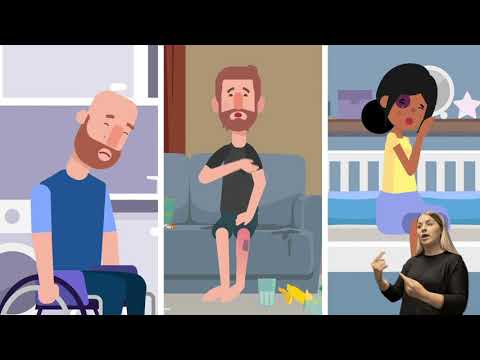
The sign for “abuse” in British Sign Language (BSL) encompasses various types of mistreatment and harm. It is often used in discussions around safeguarding, mental health, and social issues within the UK Deaf community. Understanding this sign can help facilitate important conversations about personal safety and wellbeing.
How to Sign “Abuse Types Of Abuse In Bsl” in BSL
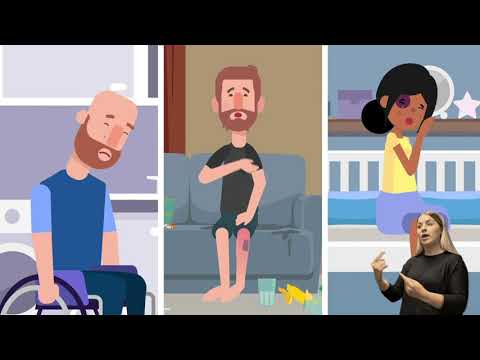
- Start with your dominant hand in a flat shape, palm facing down, fingers together.
- Position your hand near the side of your mouth or chin.
- Move your hand away from your face while simultaneously curling your fingers slightly inwards, as if expressing something negative.
- Facial expression is crucial; use a concerned or serious expression to convey the weight of the topic.
- Use space effectively to indicate different types of abuse by moving your hand to different positions as you list each type.
Common Mistakes
- Forgetting to use facial expressions, which are essential in BSL to convey meaning and emotion.
- Using a flat hand rather than the correct shape, leading to unclear communication.
- Not using space effectively to differentiate between types of abuse, which can cause confusion.
BSL vs ASL
In American Sign Language (ASL), the sign for “abuse” differs from BSL. ASL may use a different handshape and movement. While BSL relies heavily on facial expressions and spatial context, ASL often emphasizes different hand configurations and less emphasis on non-manual features.
Related Signs
- Neglect – Sign that represents the failure to care for someone, often linked to abuse.
- Violence – Sign indicating physical aggression or harm.
- Harassment – Sign for unwanted behaviour that can be intimidating or distressing.
- Exploitation – Sign indicating taking advantage of someone unfairly.
- Bullying – Sign representing repeated aggressive behaviour towards someone.
Frequently Asked Questions
How can I use “abuse” in a BSL sentence?
You can use “abuse” in a sentence by first establishing the topic, such as “I see abuse” by signing “I” (point to yourself) followed by the sign for “abuse.”
Are there regional variations for this sign?
While the sign is widely recognised, some regions may have slight variations in handshape or movement. It’s best to learn from local Deaf signers.
What are signs similar to “abuse”?
Signs like “neglect” and “bullying” convey related meanings and may be used in similar contexts.
Do I need to learn facial expressions?
Yes, facial expressions are vital in BSL. They add context and emotion, making your signing clearer and more effective.
What resources can help me learn BSL?
There are many online videos, courses, and local classes available. Engaging with the Deaf community can also enhance your learning.
How do I improve my signing skills?
Practice regularly with Deaf friends, attend workshops, and immerse yourself in BSL environments to improve your skills.
Practice ASL Signs
Use your camera to practice signs and get real-time AI feedback on your technique.
Free · No signup required