
Warmer in Australian Sign Language (Auslan)

The sign for “warmer” in Auslan refers to the sensation of increased warmth, often used in conversations about weather, clothing, or comfort levels. It’s a useful sign, especially in discussions related to climate or personal comfort. This sign can help express how one feels about temperature changes or to suggest adjusting clothing accordingly.
Table of Contents
How to Sign “Warmer”
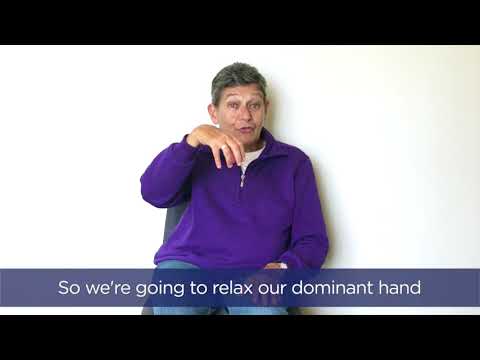
- Start with your dominant hand in a flat handshape (palm facing down).
- Position your hand near your chest area, a few inches away from your body.
- Slowly move your hand outward and slightly upward, as if you are pushing warmth away from your body.
- Maintain a relaxed facial expression, possibly raising your eyebrows to emphasize the feeling of warmth.
Common Mistakes
- Forgetting to maintain a flat handshape; using a fist can change the meaning.
- Moving the hand too quickly, which can make the sign less clear.
- Not adjusting facial expressions, which are crucial in Auslan for conveying emotions.
Related Signs
- 1 – The sign for the number one.
- 1 Dollar – Signifying one dollar in a financial context.
- 10 – The sign for the number ten.
- 100 – Representing one hundred, often used in discussions about money.
- 11 – The sign for the number eleven.
Using “Warmer” in Everyday Conversations
The sign “Warmer” can be a useful addition to your Auslan vocabulary, particularly in casual conversations. Here are a few example sentences that show how to use “Warmer” naturally:
- “I feel warmer today.” (I feel warmer today.)
- “This soup is warmer than the last one.” (This soup warmer than last one.)
- “Can you make the room warmer?” (You make room warmer?)
These sentences come up often in discussions about weather, food, or comfort levels. For instance, when talking about the change in temperature during seasons, or even when discussing the warmth of a meal, “Warmer” is relevant and easy to incorporate.
Cultural Notes
The concept of “Warmer” holds significance in the Australian Deaf community, especially in the context of sharing personal experiences or preferences. It reflects the importance of comfort and accessibility, as many Deaf Australians prioritize clear communication about their physical environment. In certain areas, like the northern regions of Australia, where the climate can be quite different from the cooler southern regions, the use of “Warmer” may vary slightly in context. Southern dialects might focus more on indoor temperature comforts, while northern dialects might emphasize outdoor temperatures or the heat of the sun.
Tips for Learning This Sign
To effectively learn and remember the sign “Warmer,” try these practical tips:
- Mirror Practice: Stand in front of a mirror and practice the sign. This will help you see your hand movements and facial expressions, ensuring you’re signing correctly.
- Observe Non-Manual Features: Pay attention to your facial expressions while signing “Warmer.” A slight smile or raised eyebrows can add context to your message.
- Use in Context: Create short sentences that include “Warmer” and practice signing them in daily conversations. This will reinforce your memory and help you become more comfortable with its use.
Engaging regularly with the sign in diverse contexts will help solidify your understanding and increase your fluency in Auslan.
Frequently Asked Questions
How can I use “warmer” in a sentence?
You might say, “It’s getting warmer outside,” by signing “WARMER” followed by the sign for “OUTSIDE.”
Are there regional variations for this sign?
While “warmer” is generally consistent, some regions might have slight variations in hand movement or facial expressions. It’s good to learn from local users.
What signs are similar to “warmer”?
Related signs might include “hot,” “cold,” or “temperature,” each conveying different levels of warmth.
How does this sign compare with British Sign Language (BSL)?
The BSL sign for “warmer” may look different, so it’s helpful to learn both if communicating with BSL users.
Any tips for teaching this sign?
Encourage learners to practice with different contexts, like weather discussions or personal comfort, to reinforce understanding.
Practice This Sign
Try signing Warmer In Auslan with your camera and get AI coaching on your handshape, movement, and location.
Free · No signup required