
Vatican Palace in Australian Sign Language (Auslan)
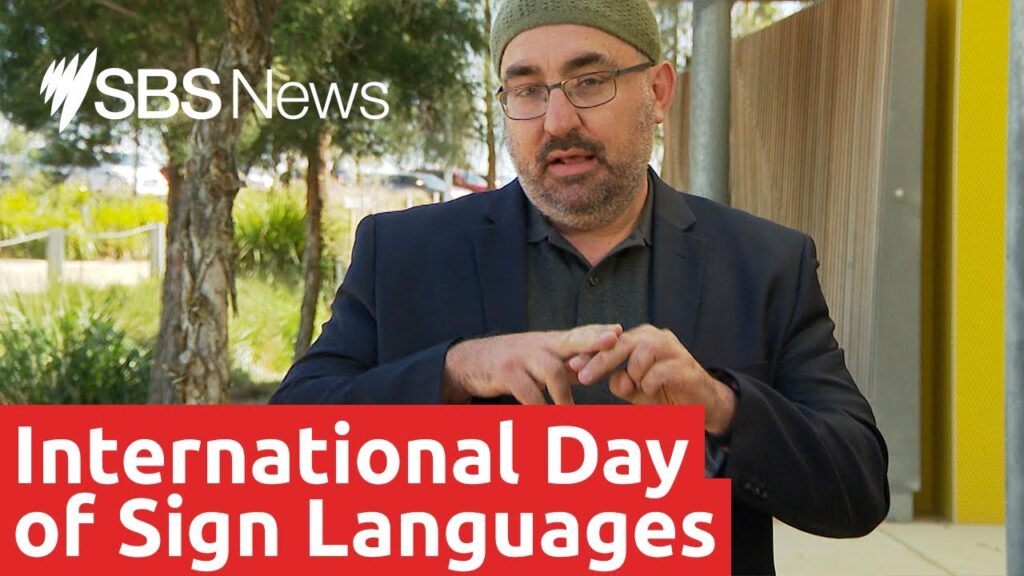
The sign for “Vatican Palace” in Auslan represents the iconic residence of the Pope in Vatican City. This sign is useful in conversations about religion, travel, or discussing significant cultural sites. It is a great way to share information about this important location in the Catholic Church.
Table of Contents
How to Sign “Vatican Palace”

- Start with your dominant hand in a flat “B” handshape (palm facing down).
- Position your hand in front of your forehead, slightly to the side.
- Move your hand forward and downward in an arc, as if outlining the shape of a palace.
- As you move your hand, maintain a neutral facial expression to convey the significance of the location.
Common Mistakes
- Omitting the arc movement; some learners may just drop their hand straight down without the graceful curve.
- Using the wrong handshape; remember to keep your hand in a flat “B” shape throughout the sign.
- Not using facial expressions; many learners forget that facial expressions can enhance the meaning of the sign.
Related Signs
- 1 – The sign for the number one.
- 1 Dollar – The sign representing one dollar in currency.
- 10 – The sign for the number ten.
- 100 – The sign for the number one hundred.
- 11 – The sign for the number eleven.
Using “Vatican Palace” in Everyday Conversations
The sign for “Vatican Palace” can be used in various everyday conversations, especially when discussing travel, religion, or art. Here are a few example sentences:
- “I want to visit Vatican Palace next year.”
- “Have you seen the artwork in Vatican Palace?”
- “The Pope lives in Vatican Palace.”
These sentences naturally arise in discussions about plans to travel, cultural experiences, or conversations about significant religious sites. Engaging in dialogue about the Vatican Palace can help strengthen connections with others who share similar interests in history, art, or religion.
Cultural Notes
The Vatican Palace holds significant cultural importance, not just in a religious context but also in art and history. Within the Australian Deaf community, there is a strong appreciation for cultural heritage, including significant landmarks like the Vatican. The sign for “Vatican Palace” may be used more frequently during discussions related to Catholicism, especially among Deaf individuals who identify with this faith. Additionally, while Auslan is relatively consistent across Australia, some regional variations may exist, particularly in the signing of religious terminology. However, the sign for “Vatican Palace” is widely understood in both northern and southern dialects.
Tips for Learning This Sign
To effectively learn and remember the sign for “Vatican Palace,” consider the following tips:
- Mirror Practice: Stand in front of a mirror to practice the sign. This allows you to see your hand shapes and movements clearly, ensuring accuracy.
- Watch for Non-Manual Features: Pay attention to facial expressions and body language that accompany the sign. These non-manual features can enhance meaning and comprehension.
- Use in Short Signed Sentences: Incorporate “Vatican Palace” into short sentences during practice. For example, “I love Vatican Palace” or “Vatican Palace is beautiful.” This helps contextualize the sign and reinforces your learning.
Regular practice in varied contexts will help solidify your understanding and use of the sign in conversations.
Frequently Asked Questions
Can you use “Vatican Palace” in a sentence?
Yes! For example, you can say, “I visited the Vatican Palace last summer.” In Auslan, that would incorporate the sign along with other signs for “visited” and “last summer.”
Are there regional variations for this sign?
While the sign is generally consistent, some regions might have slight variations in the movement or handshape. It’s always good to observe local signers.
Are there similar signs in Auslan?
Yes, signs for other significant landmarks, like churches or cathedrals, might share similar movements or handshapes.
How does this sign compare to BSL?
In BSL, the sign for “Vatican” may differ significantly, as the signs and handshapes often vary between the two languages.
What are some teaching tips for this sign?
Practice in front of a mirror to ensure the movement is smooth and the handshape is correct. Watching videos of native signers can also help reinforce learning.
Practice This Sign
Try signing Vatican Palace In Auslan with your camera and get AI coaching on your handshape, movement, and location.
Free · No signup required