
Vacuum in Australian Sign Language (Auslan)

The sign for “vacuum” in Auslan refers to the action of using a vacuum cleaner, typically for cleaning floors or upholstery. This sign is commonly used in household settings when discussing chores or cleaning tasks.
Table of Contents
How to Sign “Vacuum”
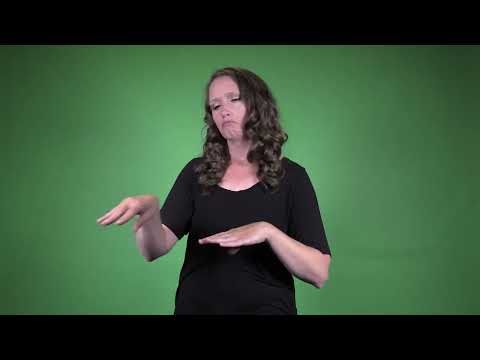
- Start with your dominant hand in a flat handshape (like a “B” handshape) with your fingers extended and together.
- Position your hand close to your chest, palm facing downward.
- Move your hand forward and slightly downward in a sweeping motion, mimicking the action of pushing a vacuum cleaner across the floor.
- While moving your hand, maintain a focused facial expression to convey the action clearly.
Common Mistakes
- Some learners may confuse the sign with similar signs and use the wrong handshape.
- Not using enough movement can make the sign unclear; remember to emphasize the sweeping motion.
- Forgetting to incorporate facial expressions can lead to misunderstandings about the sign’s intent.
Related Signs
- 1 – Represents the number one.
- 1 Dollar – Indicates one dollar in a financial context.
- 10 – Represents the number ten.
- 100 – Indicates one hundred.
- 11 – Represents the number eleven.
Using “Vacuum” in Everyday Conversations
The sign for “vacuum” can be integrated into various everyday conversations, particularly when discussing household chores or cleaning routines. Here are a few example sentences that illustrate its use:
- “I need to vacuum the living room.” — This might come up when talking about plans for the day or chores that need to be done.
- “Did you vacuum the carpet yesterday?” — A common way to check in with someone about their cleaning tasks.
- “I love using the vacuum; it makes cleaning easier!” — This can arise in discussions about cleaning preferences or tools.
These examples show how the sign can fit naturally into conversations about domestic life and routines.
Cultural Notes
In the Australian Deaf community, the sign for “vacuum” holds relevance not just for its meaning but also in how it connects to shared experiences of daily living. The sign can vary slightly between northern and southern dialects, reflecting regional differences in Auslan usage. While the core sign remains consistent, some may incorporate different non-manual features, such as facial expressions or body posture, that align with local signing styles.
Understanding these nuances can enhance communication and foster a sense of belonging within the community. Engaging with Deaf peers in casual settings can help one grasp these regional variations more effectively.
Tips for Learning This Sign
Practicing the sign “vacuum” can be enjoyable and effective when done in a variety of ways:
- Mirror Practice: Use a mirror to observe your handshape and movements. Ensure that your sign resembles the correct form and placements.
- Watch for Non-Manual Features: Pay attention to facial expressions and body language that often accompany this sign. These features can convey emphasis or emotion related to the action.
- Use in Short Signed Sentences: Try incorporating “vacuum” into simple phrases during practice. This will help reinforce your memory and improve your fluency.
By incorporating these techniques into your learning process, you’ll find it easier to remember and use the sign confidently in conversation.
Frequently Asked Questions
Can you use “vacuum” in a sentence?
Yes! You can say, “I need to vacuum the living room,” which can be signed as “I (point to yourself) vacuum (perform the sign) living room (sign for living room).
Are there regional variations in the sign?
Yes, signs can vary between different Deaf communities. It’s always good to observe and ask locals for the most common sign in your area.
What are some similar signs to “vacuum”?
Other cleaning signs like “sweep” or “mop” might look similar, so pay attention to handshape and movement to differentiate them.
How does “vacuum” compare to BSL?
In British Sign Language (BSL), the sign for “vacuum” may differ significantly, highlighting the unique aspects of each sign language.
Any tips for teaching this sign effectively?
Demonstrating the action while signing can help learners connect the motion with the meaning. Encourage practice in context, like during cleaning discussions.
Is this sign commonly understood among hearing individuals?
While some hearing individuals might recognize the sign, it’s mainly understood within the Deaf community. Using it in context can help bridge communication.
Practice This Sign
Try signing Vacuum In Auslan with your camera and get AI coaching on your handshape, movement, and location.
Free · No signup required