
Saloon in Australian Sign Language (Auslan)

The sign for “saloon” in Auslan refers to a bar or tavern, often associated with Western themes. This sign can be used in various contexts, such as describing a scene in a movie, talking about a place to socialize, or sharing experiences related to nightlife.
Table of Contents
How to Sign “Saloon”
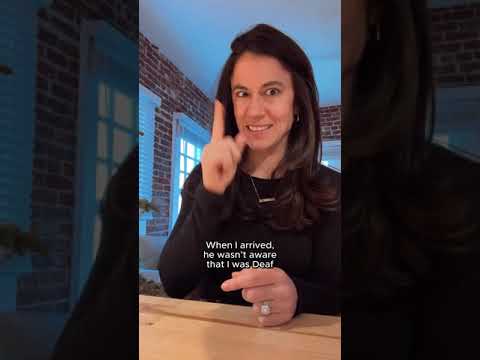
- Start with your dominant hand in a flat “B” handshape (palm facing down).
- Position your hand in front of your body, about waist height.
- Move your hand slightly to the side, as if indicating a door opening or a space where people gather.
- Incorporate facial expressions that convey a social or lively atmosphere, such as smiling or raising your eyebrows.
Common Mistakes
- Some learners may forget to use the appropriate facial expressions, which are crucial for conveying the meaning of the sign.
- Using a fist instead of the flat “B” handshape can lead to confusion with other signs.
- Not including the movement of the hand can make the sign feel static and less expressive.
Related Signs
- 1 – The number one in ASL, often used in counting.
- 1 Dollar – Sign for one dollar, useful in financial conversations.
- 10 – The number ten, which is frequently used in various contexts.
- 100 – Represents one hundred, often used in discussions about money.
- 11 – The number eleven, useful for counting and other numerical discussions.
Using “Saloon” in Everyday Conversations
The sign for “saloon” can be integrated into conversations about social outings or personal experiences. Here are some example sentences that illustrate its use:
- “YESTERDAY, I GO SALOON WITH FRIENDS.”
- “SALLOON IS FUN PLACE TO HANG OUT.”
- “AFTER WORK, WE OFTEN VISIT SALOON.”
These sentences may come up when discussing plans for the weekend, reminiscing about a night out, or suggesting a location for a group gathering. Using “saloon” in this context helps convey the atmosphere and social aspect associated with such venues.
Cultural Notes
In the Australian Deaf community, the sign for “saloon” carries cultural significance as it often represents not just a place to drink but a social hub where Deaf individuals can gather, connect, and communicate freely. Saloon settings serve as informal venues where friendships are formed and maintained, highlighting the importance of social spaces for Deaf culture.
It’s interesting to note that there may be variations in how the sign is used across different regions in Australia. In northern areas, the sign might be executed with a slightly different handshape or movement, reflecting regional dialects within Auslan. Being aware of these variations can enrich your understanding and appreciation of the diverse Auslan community.
Tips for Learning This Sign
Practicing the sign for “saloon” can be both fun and effective with a few simple techniques:
- Mirror Practice: Stand in front of a mirror while practicing the sign. This will help you observe your handshape and movements to ensure they match the correct form.
- Focus on Non-Manual Features: Pay attention to facial expressions and body language when signing. These non-manual features add context and emotion to your signing.
- Use in Sentences: Incorporate “saloon” into short signed sentences as you practice. This will help reinforce your learning and make the sign feel more natural in conversation.
By combining these techniques, you will build confidence and fluency in using “saloon” within your Auslan vocabulary.
Frequently Asked Questions
How can I use “saloon” in a sentence?
You can say, “I went to the saloon last night” by signing the action of going, followed by the sign for “saloon.”
Are there regional variations for the sign “saloon”?
Yes, some regions may have slight variations in handshape or movement, so it’s helpful to learn from local Deaf communities.
What are some similar signs to “saloon”?
Similar signs include “bar,” “pub,” and “restaurant,” each having its own specific sign.
How does “saloon” compare to British Sign Language (BSL)?
While the concept is similar, the sign for “saloon” may differ significantly in BSL, so it’s best to refer to BSL resources for accurate representation.
Any tips for teaching the sign “saloon”?
Encourage students to use facial expressions and context to enhance understanding, making the sign more relatable and lively.
Practice This Sign
Try signing Saloon In Auslan with your camera and get AI coaching on your handshape, movement, and location.
Free · No signup required