
Saddle in Australian Sign Language (Auslan)

In Auslan, “saddle” refers to the equipment placed on a horse’s back, commonly used in equestrian contexts. This term is relevant in discussions surrounding horseback riding, animal care, or the various types of saddles available. It’s an essential sign for anyone involved in riding or working with horses.
Table of Contents
How to Sign “Saddle”
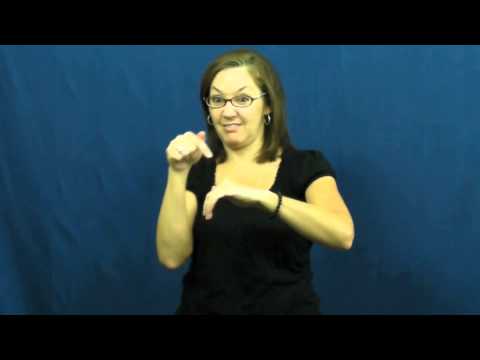
- Start with your dominant hand in a flat shape, resembling a horizontal rectangle, with the palm facing downward.
- Position your non-dominant hand below your dominant hand, also in a flat shape, mimicking the shape of a saddle.
- Gently move your dominant hand forward while slightly raising it, as if placing the saddle onto a horse’s back.
- Maintain a neutral facial expression throughout the sign, or show enthusiasm if discussing riding.
Common Mistakes
- Forgetting to use both hands, which can lead to confusion about the sign’s meaning.
- Using an exaggerated movement that may misrepresent the action of placing a saddle.
- Incorrect hand positioning, which can change the meaning of the sign entirely.
Related Signs
- Horse – The sign for the animal often associated with saddles.
- Ride – Related to the action of using a saddle.
- Equine – Refers to horses and related species.
- Grooming – Important for horse care, often done before saddling.
- Tack – General term for the equipment used on horses, including saddles.
Using “Saddle” in Everyday Conversations
The sign for “Saddle” can be used in various everyday contexts, particularly when discussing horses, camping, or outdoor activities. Here are a few example sentences:
- Horse Riding: “I love to ride my horse and put on the saddle.” (Me horse ride, love, saddle put on.)
- Camping Trip: “We set up our campsite near the saddle.” (Campsite set up, near saddle.)
- Equestrian Events: “At the competition, I saw a fancy saddle.” (Competition, I see fancy saddle.)
These situations naturally arise in conversations about activities involving horses or outdoor adventures, making the sign relevant and practical.
Cultural Notes
The sign for “Saddle” holds particular significance in the Australian Deaf community, especially among those involved in equestrian activities or rural lifestyles. In Australia, horse riding is not just a sport but a cultural pastime, often linked to Indigenous practices and community events. Understanding this context can enhance your appreciation of the sign.
There may also be regional variations in the sign’s execution, particularly between northern and southern dialects. While the core gesture remains the same, subtle differences in movement or facial expressions can reflect local dialects. Engaging with members of the community and observing their signing can help you appreciate these nuances.
Tips for Learning This Sign
To effectively learn and remember the sign for “Saddle,” consider these practical tips:
- Mirror Practice: Stand in front of a mirror while practicing the sign. This will help you observe your hand shape, position, and overall execution.
- Watch Non-Manual Features: Pay attention to facial expressions and body movements that accompany the sign, as they provide essential context and meaning.
- Use in Context: Create short signed sentences incorporating “saddle” into your practice. For example, describe a horse or an experience related to riding.
Regular practice, along with engaging with the Deaf community, will reinforce your learning and help you become more fluent in Auslan.
Frequently Asked Questions
Can you use “saddle” in a sentence?
Yes! You can say, “I need to saddle the horse before we go riding.”
Are there regional variations of this sign?
Some regions may have slightly different hand shapes or movements, so it’s good to learn from local Deaf communities.
Is there a similar sign in BSL?
Yes, BSL has its own sign for “saddle” which may differ in hand shape and movement.
How can I teach this sign effectively?
Use visual aids, demonstrate the sign in context, and encourage practice with peers.
What is a common mistake learners make with this sign?
A common mistake is not using both hands, which can lead to misunderstanding.
Can “saddle” be used in different contexts?
Yes, it can refer to various types of saddles used for different equestrian activities.
Practice This Sign
Try signing Saddle In Auslan with your camera and get AI coaching on your handshape, movement, and location.
Free · No signup required