
Ramp in Australian Sign Language (Auslan)
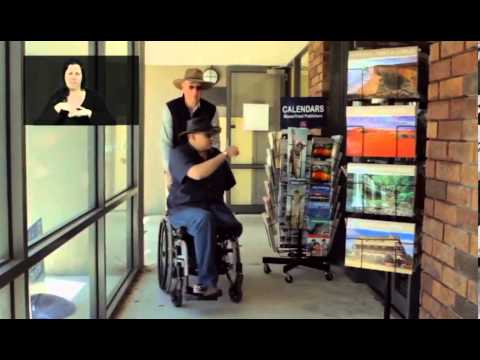
The sign for “ramp” in Auslan refers to a sloped surface that allows for easier access, often used in contexts related to accessibility. It is commonly used when discussing buildings, transportation, and mobility aids. This sign can help foster conversations about inclusivity and accessibility in various environments.
Table of Contents
How to Sign “Ramp”
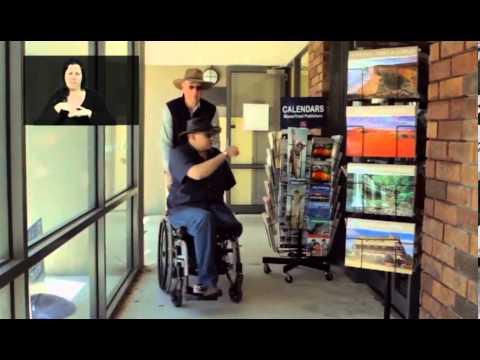
- Start with your dominant hand in a flat handshape (like a “B” handshape).
- Place your hand at a slight angle in front of you, palm facing down.
- Move your hand forward and slightly upward, mimicking the slope of a ramp.
- As you move your hand, maintain a gentle facial expression that reflects the context of the conversation, such as being informative or inclusive.
Common Mistakes
- Forgetting to angle the hand properly, which can lead to confusion about the sign’s meaning.
- Moving the hand too quickly or erratically, making it harder for others to understand the sign.
- Neglecting facial expressions, which are essential for conveying the right tone and context in Auslan.
Related Signs
- 1 – The sign for the number one.
- 1 Dollar – Used to refer to one dollar in conversations about money.
- 10 – The sign for the number ten.
- 100 – Represents one hundred, often used in financial discussions.
- 11 – The sign for the number eleven.
Using “Ramp” in Everyday Conversations
In everyday conversations, the sign “Ramp” can be used in various contexts, especially when discussing accessibility and navigation. Here are a few examples:
- Friend asking about accessibility: “You know the café? (sign café) They have a ramp (sign ramp) for wheelchairs.” This comes up when discussing the accessibility of public places.
- Talking about a location: “The park (sign park) has a ramp (sign ramp) by the entrance.” This is relevant when giving directions or describing features of a place.
- Discussing home modifications: “I want to build a ramp (sign ramp) at my house (sign house) for easier access.” This situation often arises in conversations about home improvements for better accessibility.
Cultural Notes
In the Australian Deaf community, the concept of accessibility is a significant cultural focus. The sign “Ramp” not only represents a physical structure but also embodies the broader values of inclusivity and equality. For many Deaf individuals, having accessible spaces is crucial for participation in community life.
Dialect variations can occur across Australia. In some northern regions, there may be slight differences in how the sign is articulated, reflecting local signing styles. However, the core meaning remains consistent, and most Deaf Australians will understand the sign universally. Being aware of local variations can enhance communication and connection within the community.
Tips for Learning This Sign
Practicing the sign “Ramp” effectively can help you remember it better. Here are some concrete ways to reinforce your learning:
- Mirror Practice: Stand in front of a mirror while signing. This allows you to see your handshape and movement, helping to refine your technique.
- Focus on Non-Manual Features: Pay attention to your facial expressions and body language. Incorporating these non-manual features can add meaning and context to your signing.
- Use it in Short Sentences: Create simple sentences that include the sign “Ramp.” For example, “Ramp (sign ramp) good (sign good) for access (sign access).” Repetition in context solidifies your understanding.
Frequently Asked Questions
How can I use “ramp” in a sentence?
You can say, “The building has a ramp for wheelchair access,” using the sign for “ramp” when you mention it.
Are there regional variations for this sign?
Yes, some regions may use slightly different hand movements or placements, so it’s always good to learn from local Deaf communities.
Are there similar signs to “ramp” in Auslan?
Yes, signs for “hill” or “slope” may have some similarities in handshape and movement.
How does this sign compare to BSL?
In British Sign Language (BSL), the sign for “ramp” may look different, showcasing the unique characteristics of each sign language.
What are some tips for teaching this sign?
Encourage learners to practice with a partner and focus on facial expressions to enhance understanding and communication.
Practice This Sign
Try signing Ramp In Auslan with your camera and get AI coaching on your handshape, movement, and location.
Free · No signup required