
Radio Aid in Australian Sign Language (Auslan)
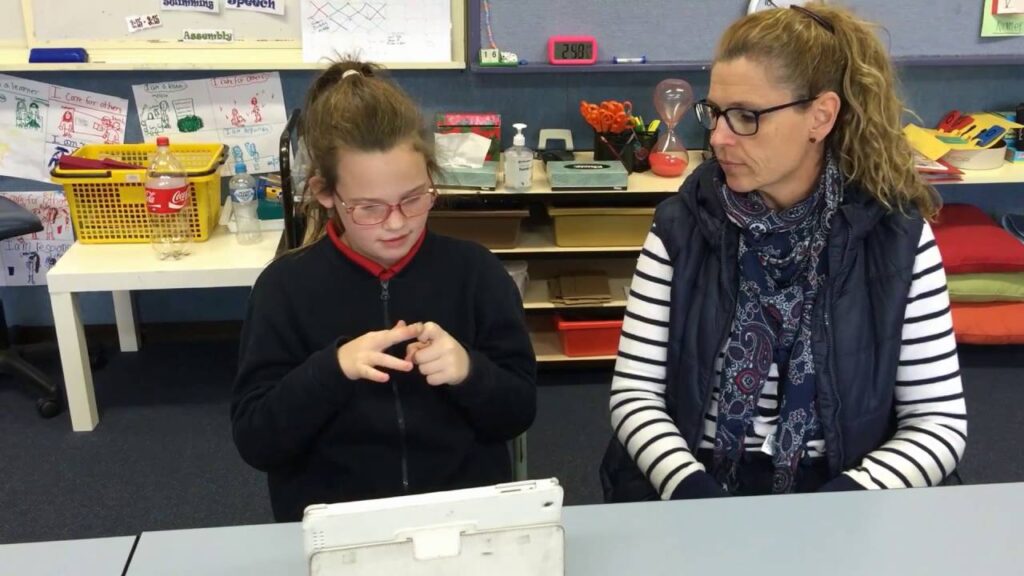
The sign for “radio aid in Auslan” is used to refer to assistive listening devices that help individuals who are Deaf or hard of hearing. This sign is often used in educational settings or conversations about accessibility and technology that enhance sound quality and clarity.
Table of Contents
How to Sign “Radio Aid”
- Start with your dominant hand in a flat handshape (like a “B” handshape) and bring it near your ear. This represents listening.
- Next, with your non-dominant hand, create a fist and place it against the palm of your dominant hand. This symbolizes the device.
- Gently move your dominant hand away from your ear while keeping the non-dominant hand in place, indicating the connection between the device and the listener.
- Throughout the sign, maintain a facial expression that shows focus and engagement, as this reflects the importance of listening.
Common Mistakes
- Forgetting to maintain a clear handshape, which can lead to confusion with other signs.
- Not using appropriate facial expressions, which can affect the meaning and clarity of the sign.
- Moving the hands too quickly, making it difficult for others to understand the sign.
Related Signs
- 1 – The sign for the number one.
- 100 – The sign for the number one hundred.
- 10 – The sign for the number ten.
- 1 Dollar – The sign for one dollar.
- 12 – The sign for the number twelve.
Using “Radio Aid” in Everyday Conversations
The sign “Radio Aid” often comes up in discussions about communication support in educational or social settings. Here are some example sentences that illustrate how to use this sign naturally:
- “I use the radio aid at school to hear the teacher better.”
(Auslan sign order: “I SCHOOL RADIO AID TEACHER HEAR BETTER.”) - “The radio aid helps me connect with my friends during group activities.”
(Auslan sign order: “I FRIENDS GROUP ACTIVITIES RADIO AID CONNECT.”) - “My parents got me a radio aid to help me listen to music.”
(Auslan sign order: “MY PARENTS RADIO AID HELP LISTEN MUSIC.”)
These sentences can arise in everyday conversations among students, parents, and educators, highlighting the importance of the radio aid in enhancing communication access.
Cultural Notes
In the Australian Deaf community, the concept of “Radio Aid” is deeply intertwined with the push for inclusive education and communication access. Radio aids are not just tools; they represent advocacy for equal opportunities in learning environments, allowing Deaf individuals to participate more fully. The use of radio aids also underscores the importance of technology in bridging communication gaps.
When it comes to dialect variations, while the sign for “Radio Aid” remains relatively consistent across Australia, there may be subtle differences in signing style and non-manual features between northern and southern regions. These variations can reflect broader cultural differences within the Deaf community in Australia.
Tips for Learning This Sign
Learning the sign “Radio Aid” can be made easier through a few practical strategies:
- Mirror Practice: Stand in front of a mirror and practice the sign while watching your own movements. This helps ensure you are forming the sign correctly.
- Non-Manual Features: Pay attention to facial expressions and body language that accompany the sign. These non-manual features add meaning and context to your signing.
- Short Signed Sentences: Use “Radio Aid” in simple, short sentences regularly. For example, practice saying, “Radio aid helps.” This repetition helps reinforce your memory and understanding.
By incorporating these tips into your practice, you’ll become more confident and fluent in using the sign “Radio Aid” in various contexts.
Frequently Asked Questions
How can I use “radio aid in Auslan” in a sentence?
You can say, “I use a radio aid in Auslan to hear better in class.”
Are there regional variations for this sign?
Some regions may have slight variations in handshape or movement, so it’s good to observe local usage.
What are similar signs to “radio aid”?
Similar signs may include “hearing aid” or “assistive technology” which both relate to devices that help with hearing.
How does this sign compare to BSL?
While BSL has its own unique signs, the concept of assistive listening devices is similarly represented, though handshapes may differ.
What tips do you have for teaching this sign?
Encourage learners to practice with a partner and focus on clear hand movements and facial expressions for effective communication.
Practice This Sign
Try signing Radio Aid In Auslan with your camera and get AI coaching on your handshape, movement, and location.
Free · No signup required