
Lado in Australian Sign Language (Auslan)
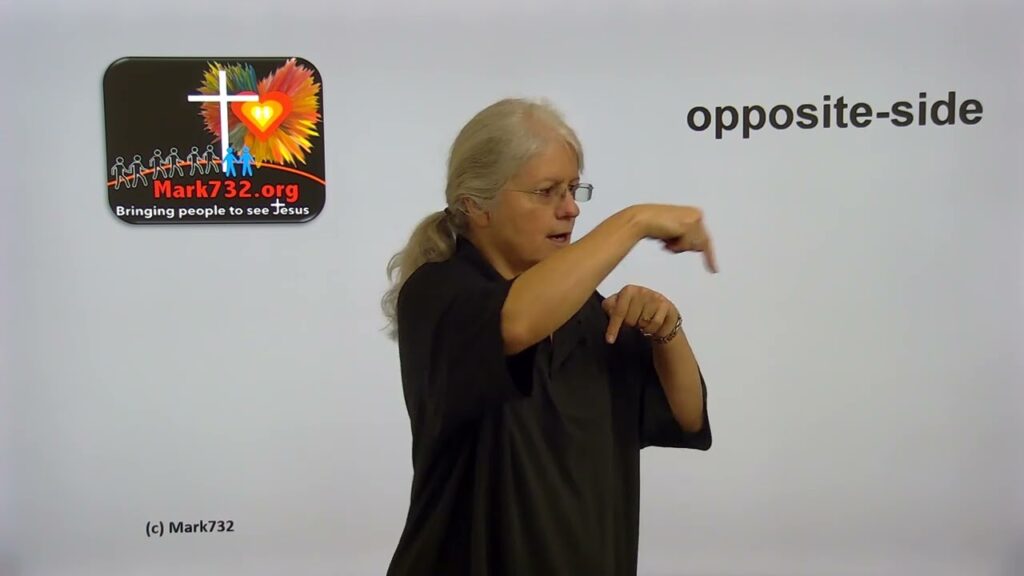
The sign for “lado” in Auslan is often used to describe a side or direction, commonly in contexts involving location or orientation. This sign can be useful when giving directions or discussing positions of objects relative to one another.
Table of Contents
How to Sign “Lado”
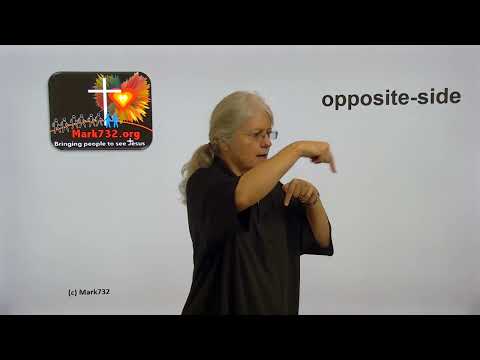
- Start with your dominant hand in a flat, open palm facing inward.
- Position your hand near the side of your body, about waist height.
- Move your hand slightly outward to the side while maintaining the palm orientation.
- Keep your facial expressions neutral or slightly inquisitive to match the context of your conversation.
Common Mistakes
- Forgetting to keep the palm orientation consistent throughout the sign can lead to confusion.
- Moving the hand too far away from the body, which can change the meaning.
- Neglecting facial expressions, which are essential for conveying the right context and emotion.
Related Signs
- 1 – The sign for the number one.
- 10 – The sign for the number ten.
- 100 – The sign for the number one hundred.
- 12 – The sign for the number twelve.
- 15 – The sign for the number fifteen.
Using “Lado” in Everyday Conversations
The sign “Lado” can be seamlessly integrated into various everyday conversations, often relating to food, family, or social gatherings. Here are a few example sentences that illustrate its usage:
- Example 1: “Lado I make, Lado you eat.” (I made the food, you eat.) – This sentence can be used when discussing a meal prepared for friends or family.
- Example 2: “Lado is tasty, come try!” (The food is tasty, come try!) – This could come up at a potluck where you want to invite others to enjoy a dish you’ve brought.
- Example 3: “Lado my family loves.” (The food my family loves.) – You might use this when sharing your family’s favorite dishes during a conversation about cooking.
Cultural Notes
The sign “Lado” holds cultural significance within the Australian Deaf community, often associated with communal meals and gatherings. Food has a special role in Deaf culture, serving as a means to connect and share experiences. In many Deaf events, meals are not just about sustenance; they are opportunities for social bonding and storytelling.
There are also some regional variations in how “Lado” might be signed across Australia. While the core sign remains the same, some Northern and Southern dialect differences can be observed in the facial expressions and the intensity of the sign, which may reflect local customs or preferences in food-related discussions.
Tips for Learning This Sign
Practicing the sign “Lado” effectively can enhance your memory and fluency. Here are some practical tips to help you master it:
- Mirror Practice: Stand in front of a mirror and practice the sign while watching your own movements. This helps ensure your handshape and placement are correct.
- Focus on Non-Manual Features: Pay attention to facial expressions and body language while signing. These non-manual features can provide context and emotion to the sign.
- Use in Short Sentences: Incorporate “Lado” into simple sentences during practice. For example, create scenarios where you describe meals or dishes, reinforcing the sign within context.
By incorporating these techniques into your learning routine, you’ll find it easier to remember and use “Lado” confidently in conversations.
Frequently Asked Questions
Can you use “lado” in a sentence?
Yes! For example, you might say, “The book is on the lado of the table,” using the sign to indicate the position of the book.
Are there regional variations for this sign?
Yes, some regions may have slightly different hand movements or facial expressions, so it’s beneficial to observe local signers.
Is there a similar sign in BSL?
Yes, BSL has its own sign for “side,” but the hand shape and movement may differ. It’s always good to learn the nuances between sign languages.
What is a common mistake when teaching this sign?
A common mistake is not emphasizing the importance of facial expressions, which can change the meaning of the sign significantly.
How can I practice this sign effectively?
Practice in front of a mirror or with a friend who knows ASL to ensure your hand shape and movements are accurate and clear.
Practice This Sign
Try signing Lado In Auslan with your camera and get AI coaching on your handshape, movement, and location.
Free · No signup required